Disclaimer
Preface
This blog is shorter than many of my other ones and is written to encourage reflection and growth within the photography community. It is not meant to offend, target, or discredit any individual, brand, or practice. The ideas presented here come from common patterns seen in creative spaces, particularly in the discussions between getting published and the validity of the title of "Published Photographer" Some of these thoughts connect to themes in my earlier writings, since they address recurring issues in how photographers engage with their craft and one another.
If any part of this piece feels uncomfortable, treat that reaction as an opportunity for self-reflection instead of offense. Discomfort often signals areas with the most potential for learning. The purpose of this blog is not to criticize but to encourage awareness about how brand identity, marketing, and social influence can affect creative freedom and long-term growth.
By continuing to read, please understand that this work is shared in good faith and with respect for all photographers and brands, regardless of what gear they use or how they choose to express themselves. While the focus here is on magazines, these insights may also apply to other creative fields where tools and identity often overlap.
Nothing written here should be taken as a personal attack, professional judgment, or universal truth. These reflections come from my own experiences and observations and may differ from yours. Differences in opinion do not mean one is right and the other wrong. If something here resonates, take it with you. If it does not, leave it behind. The goal is to promote thought, open conversation, and continued creative growth.
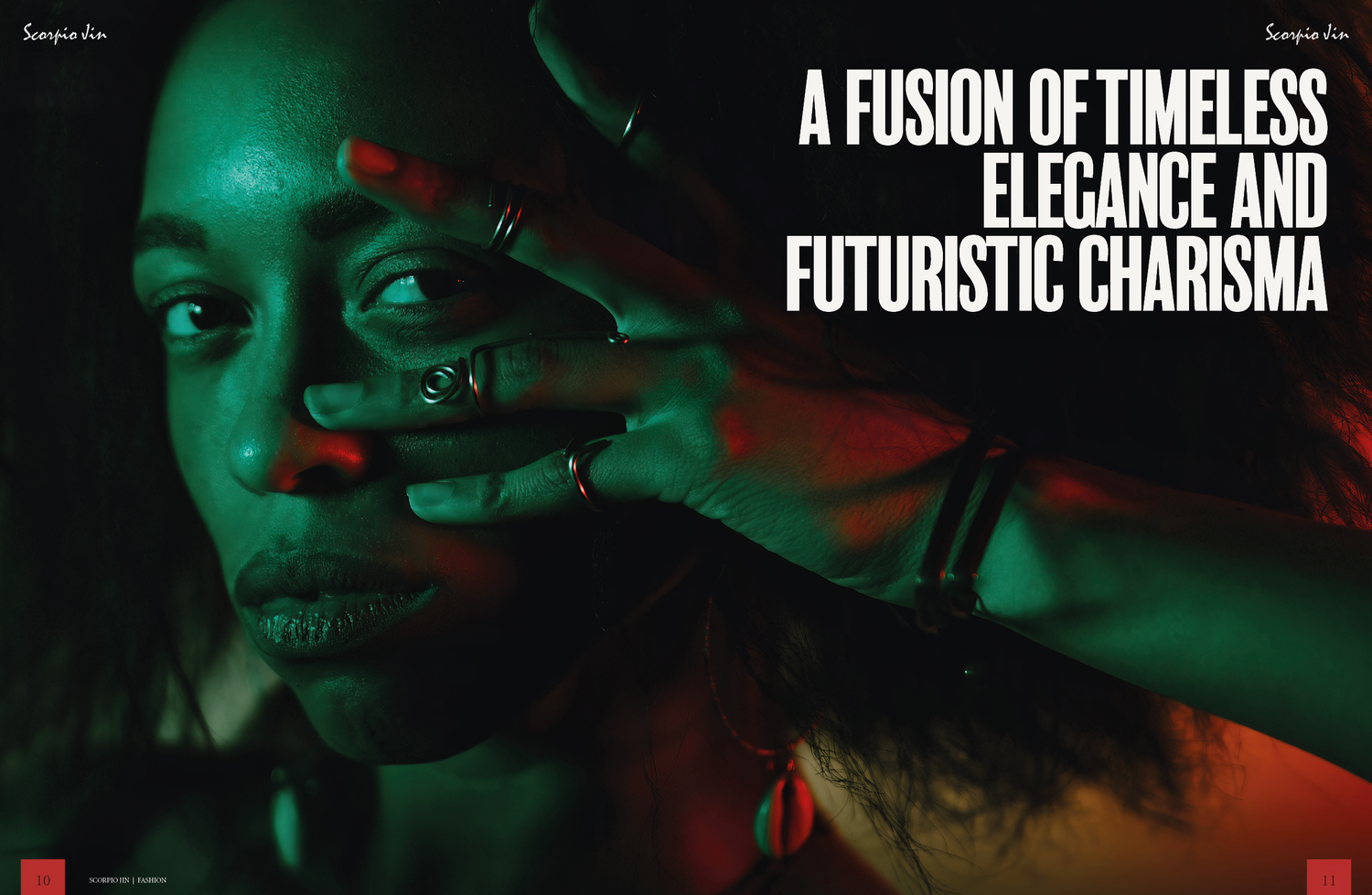
My submission to "Scorpio Jin" Magazine via Kavyar
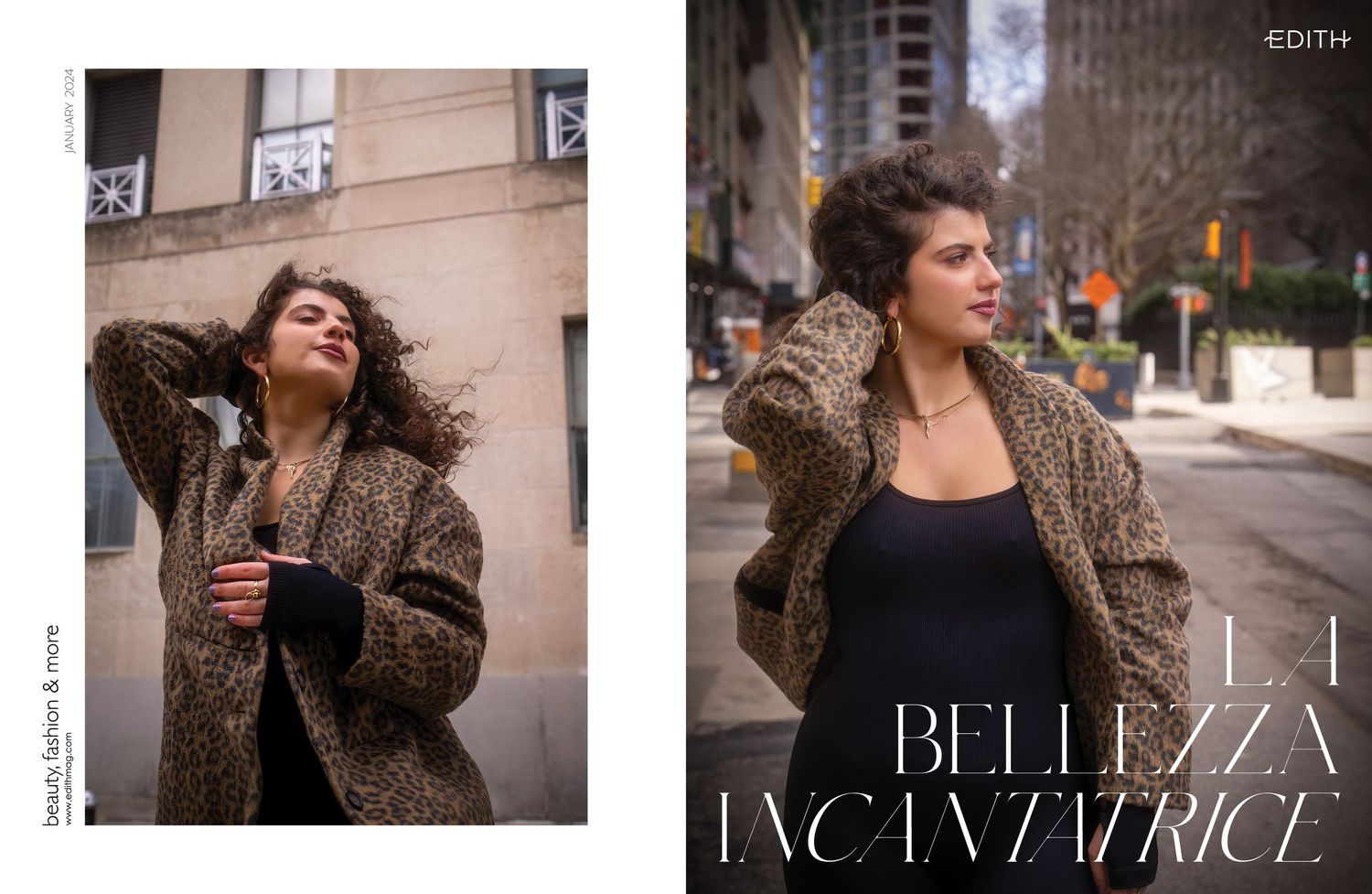
My submission to "EDITH" Magazine via Kavyar
Part 1 | Navigating the World of Vanity Magazines on Kavyar
When I first started photography, it was always a dream to be published. In my pursuit of this goal, I came across a website called Kavyar (https://kavyar.com). Kavyar is a platform where photographers, agencies, brands, and publishers can connect, network, and collaborate on projects. Recently, I’ve been using it more frequently to post ideas for upcoming photo projects. The biggest selling point of this website is the opportunity to be “published” in various magazines available on the platform. I’ve had the privilege of being published myself, alongside a few other photographers and models I once knew and have worked with.
One thing, however, that isn’t mentioned is that many of the magazines on Kavyar are considered “Vanity Magazines.” Vanity Magazines are publications that require the photographers, models, and companies to pay for the opportunity to feature their work. In my research, I found that these publications aim to provide exposure, portfolio-building opportunities, and a sense of professional credibility, especially for emerging artists looking to gain visibility.
While this sounds promising, the reach and influence of these magazines can vary widely, and paid inclusion can sometimes cast doubt on the legitimacy of the publication. At times, I even felt as though I hadn’t truly "earned" my spot in the publication. Vanity magazines do offer benefits such as Instagram mentions and cover features, but they come with a range of considerations that creators should weigh carefully before investing in them.

My last submission to "PHOTOHOUSE" Magazine with Debora Reyes
Part 2 | The Digital Shift of Vanity Publications and Its Impact on Prestige
Vanity magazines gained popularity in the print era as niche publications where artists, writers, and other creatives could pay for featured space. These magazines were especially valuable to those seeking exposure but struggling to break into traditional, merit-based publications. They once served as a reliable source of visibility, but with the oversaturated market of photographers today, their ability to generate meaningful exposure has diminished. Many of these magazines now lean on contributor fees instead of traditional advertising, and some use print-on-demand production, which clarifies why many issues contain minimal or no advertisements and can feel more like photo albums than text-heavy magazines that readers can engage with (Paige, 2018). Below are some of my tearsheets from EDITH and PHOTOHOUSE Magazine:
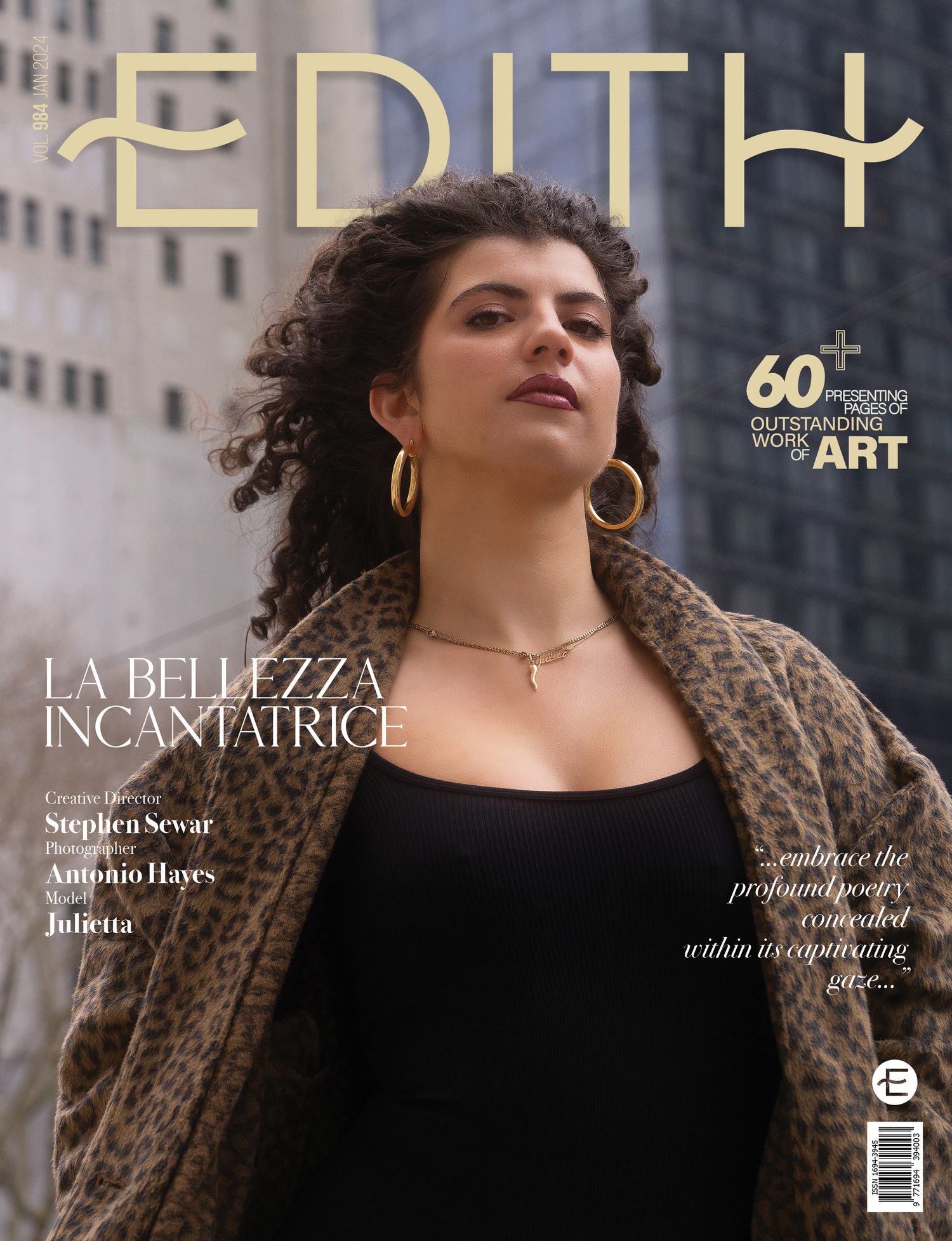
"EDITH" Magazine Cover

"EDITH" Magazine Submission
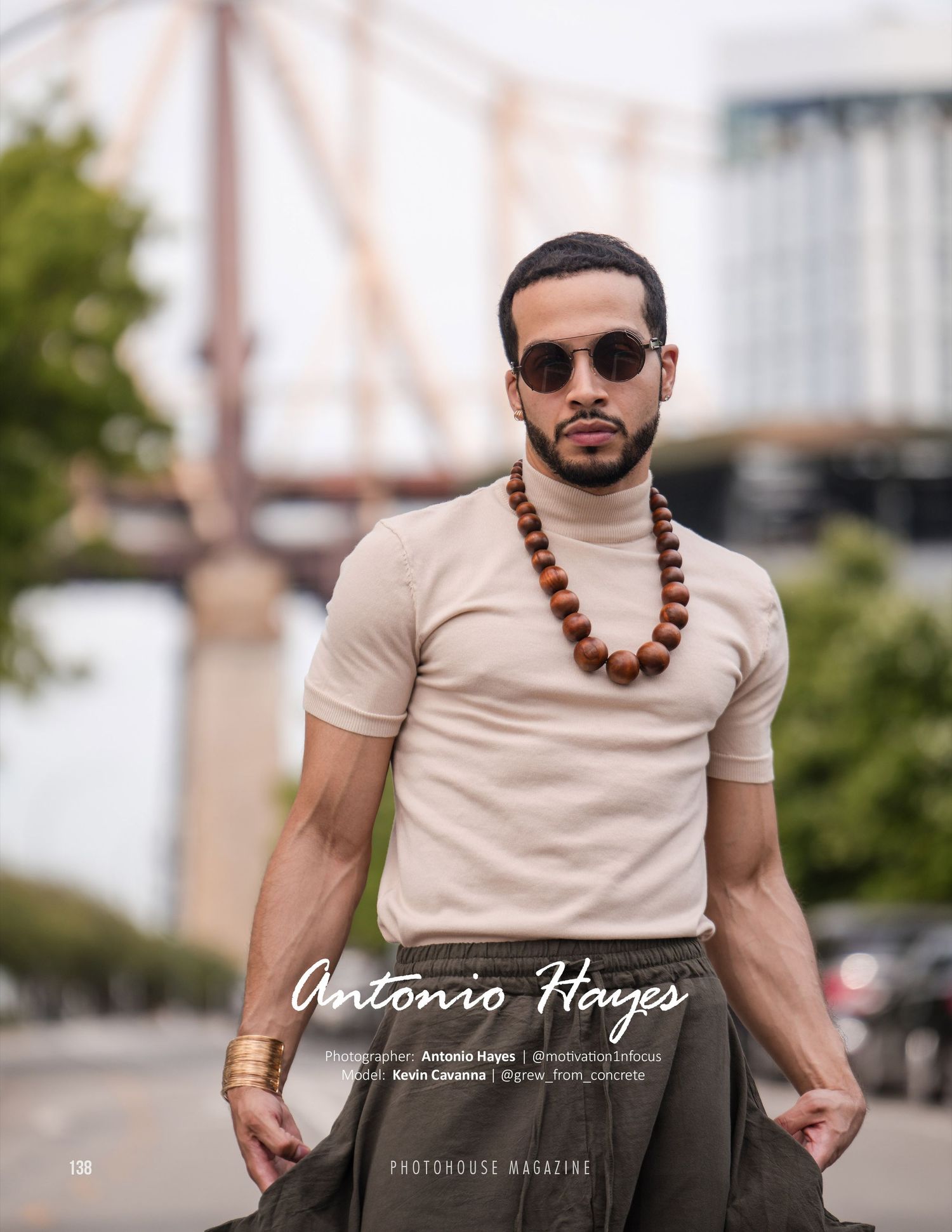
Sunbission to "PHOTOHOUSE" Magazine
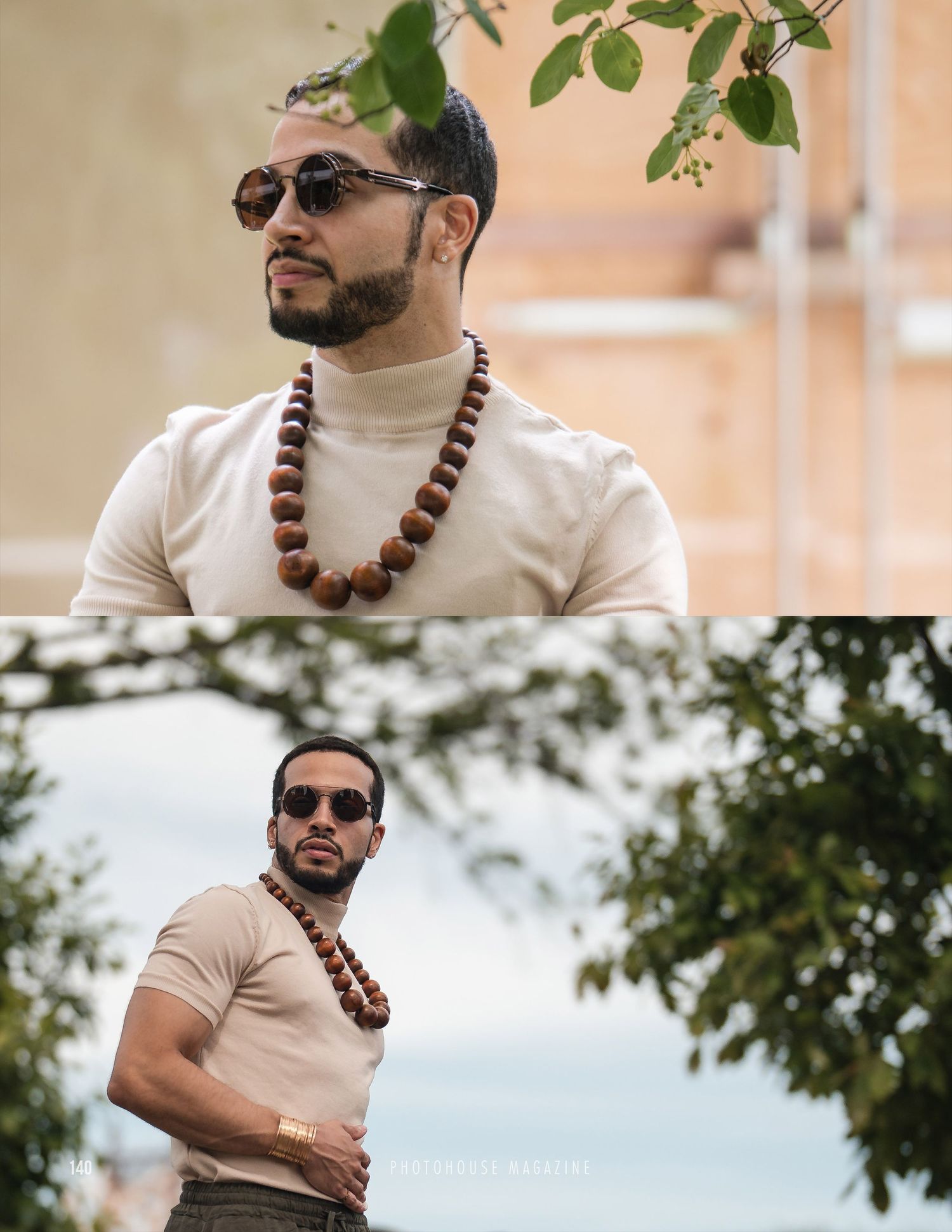
Sunbission to "PHOTOHOUSE" Magazine
Vanity magazines can open doors to valuable networking opportunities. Being featured on these platforms can connect creators to a broader community of creators and collaborators, which can lead to relationships with other artists, industry professionals, and potential clients who browse these publications. While vanity magazines may not carry the same prestige as more established publications, they can still offer practical benefits for creatives who want to expand their reach, refine how they present their work, and build meaningful connections in their field. Personally, I keep physical copies on display in my office and at home for guests to enjoy, because it creates a tangible, easy-to-browse showcase of my work.
With the rise of online publishing, vanity publications expanded into digital formats, making them easier to access and often more affordable. Platforms like Kavyar made submissions simpler by bringing creators and publishers into one place, and their submitter guidelines make clear that submission fees, when charged, are paid directly to the publisher and handled under the publisher’s refund terms, which reflects the pay-to-play structure many of these outlets use ("Kavyar Guidelines for Submitters"). This shift contributed to a rapid increase in the number of vanity publications and made it easy for creators worldwide to submit work quickly. At the same time, it raised concerns about oversaturation and uneven quality across publications. Today, vanity magazines continue to thrive online as a form of self-promotion, but they are often viewed as less prestigious than traditional publications, especially when creators must pay to be featured.
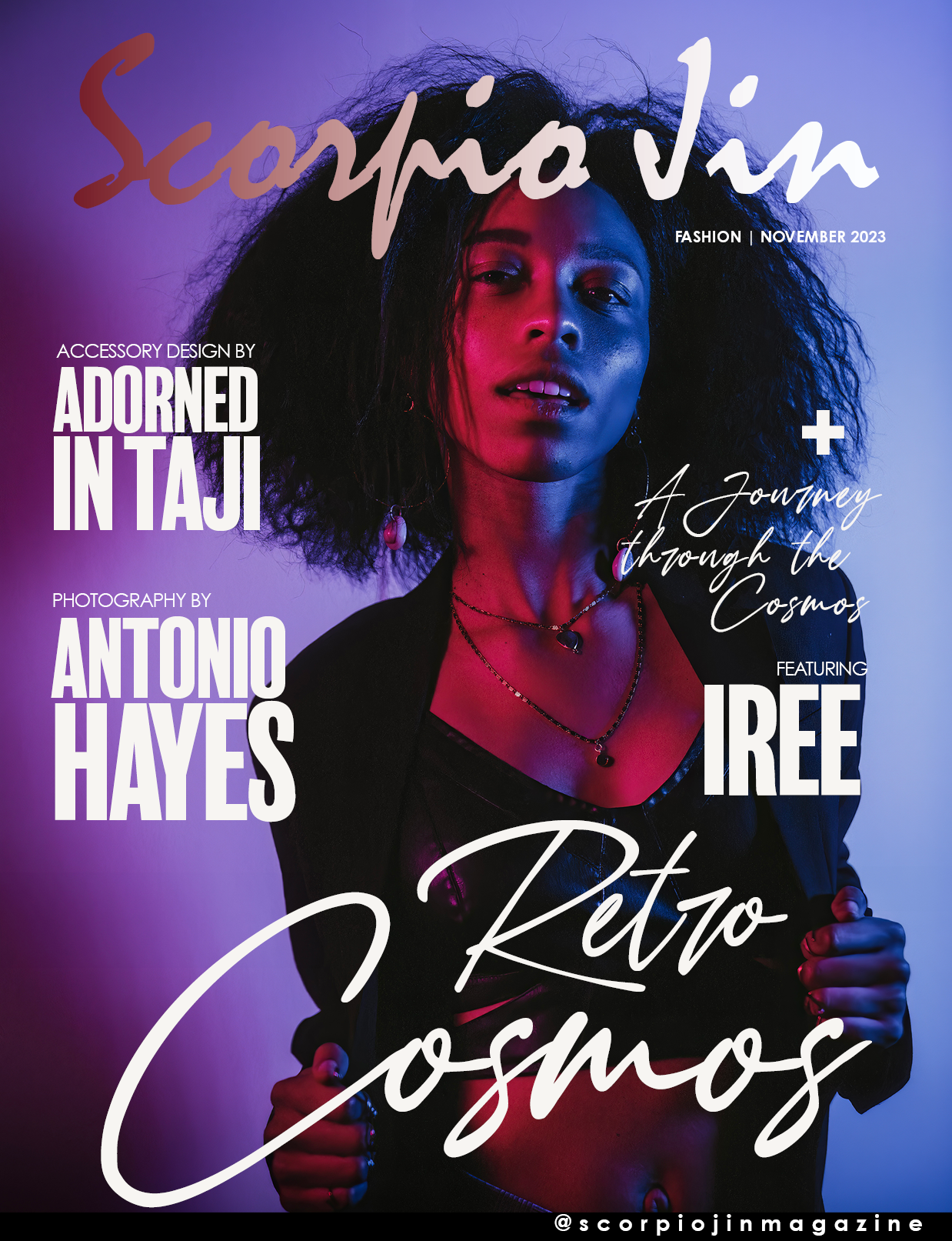
"Scorpio Jin" Magazine Cover
Part 3 | The Benefits of Vanity Magazines for Emerging Creatives
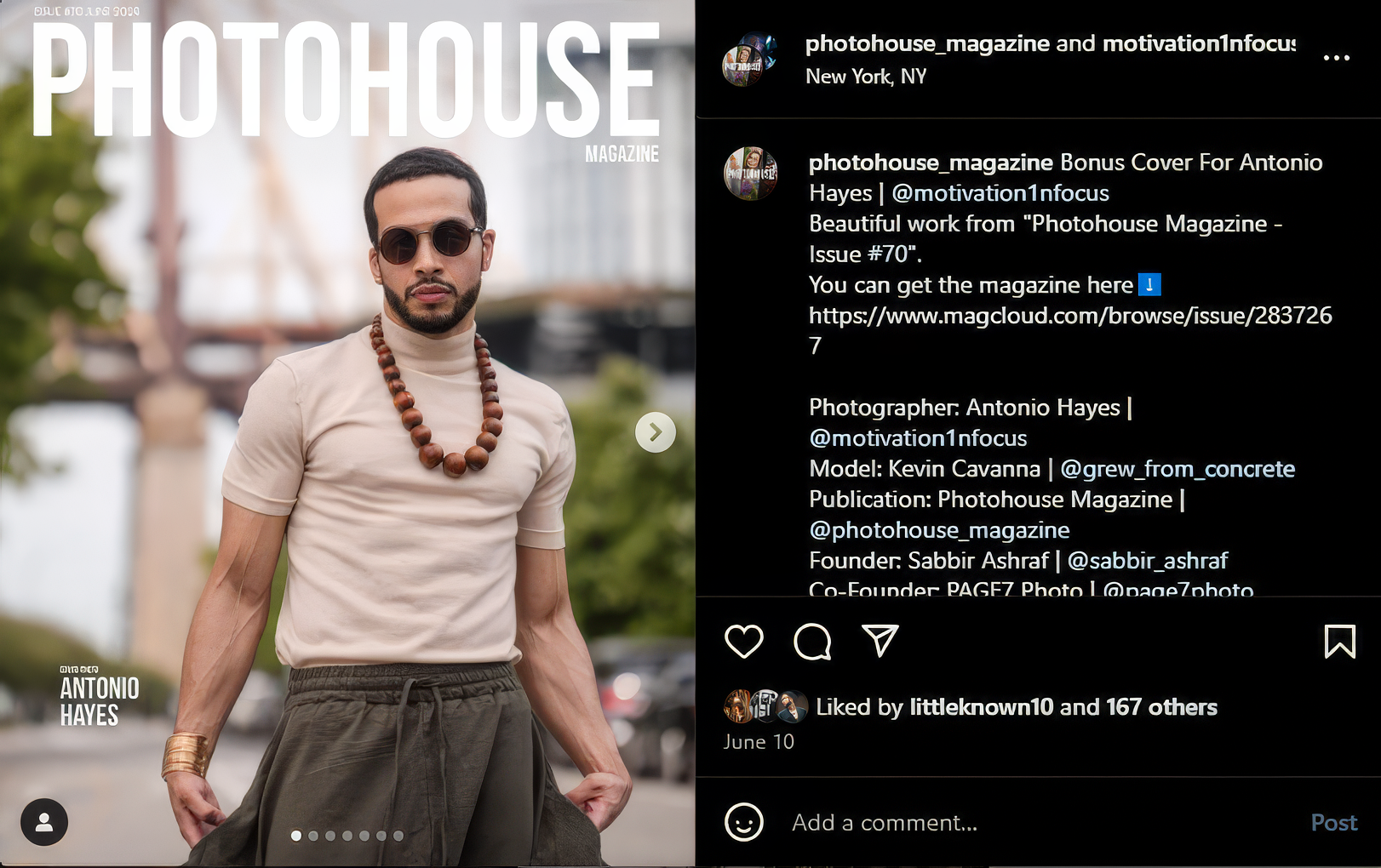
Vanity magazines can offer valuable exposure and a level of credibility, especially for those early in their creative journeys. By being featured in a magazine, whether print or digital, photographers and models gain visibility and can position themselves as published creators, adding a layer of professionalism to their portfolios. Vanity publications often allow for greater creative control, as editors may impose fewer restrictions than traditional publications. This freedom enables artists to showcase their work in a way that aligns authentically with their vision. For those who are building a portfolio, these magazines provide a platform to display and archive work, appealing to potential clients and collaborators. Below is an Instagram post from a collaboration with PHOTOHOUSE Magazine:
Vanity magazines can open doors to valuable networking opportunities. Being featured in these platforms often connects creators to a broader community of like-minded individuals, fostering relationships with other artists, industry professionals, and even potential clients who browse these publications. While vanity magazines may not carry the same prestige as more renowned publications, they still offer practical benefits for creatives looking to expand their reach, refine their presentation, and make meaningful connections in their field. Personally, I keep physical copies on display in my office and at home for guests to enjoy, adding a tangible showcase of my work.
Part 4 | Weighing the Risks of Vanity Magazines for Creatives
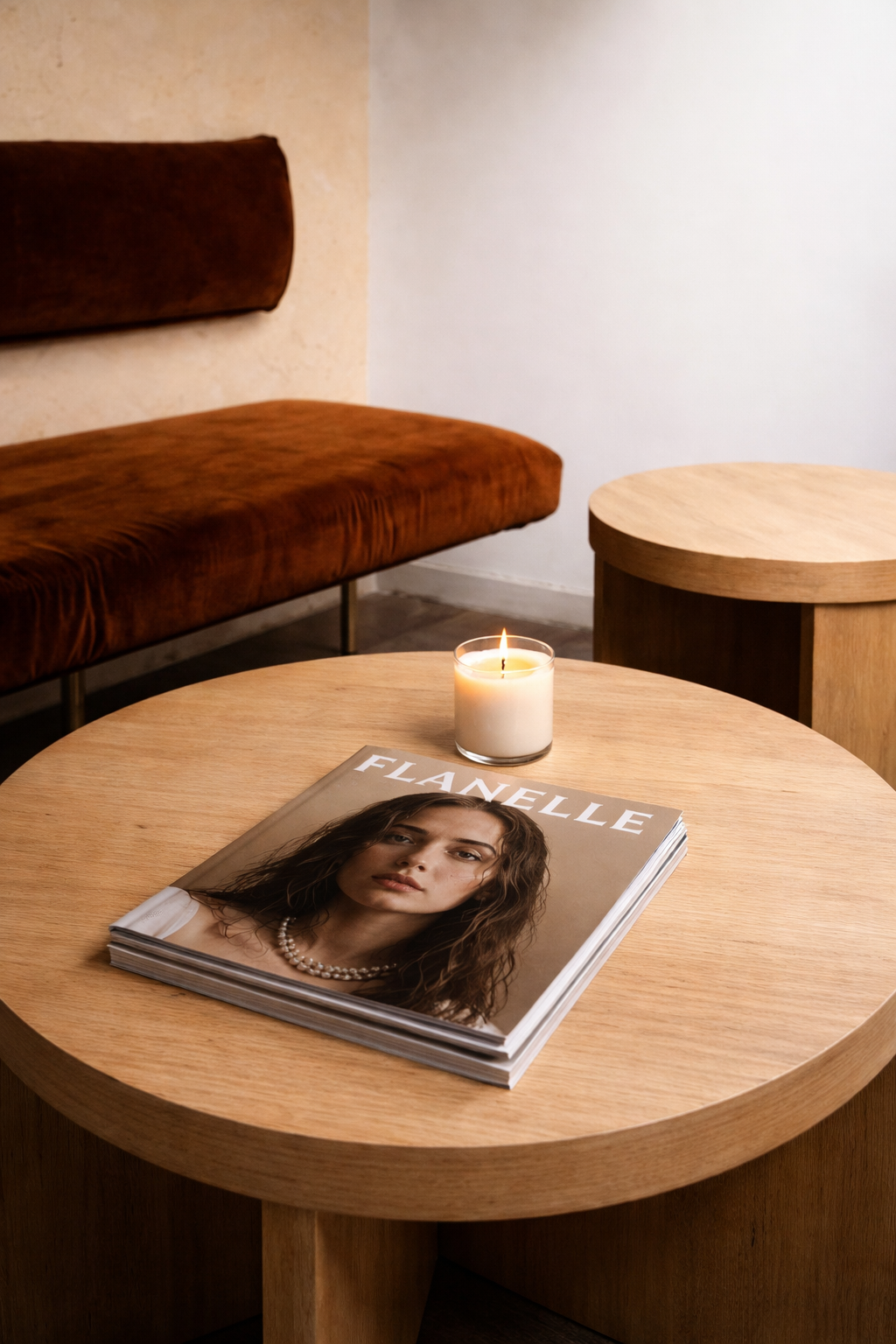
Vanity magazines pose several risks for creators, beginning with the cost and financial strain they can impose. See the picture below for a magazine I wanted to be in, but it was too expensive for the return.
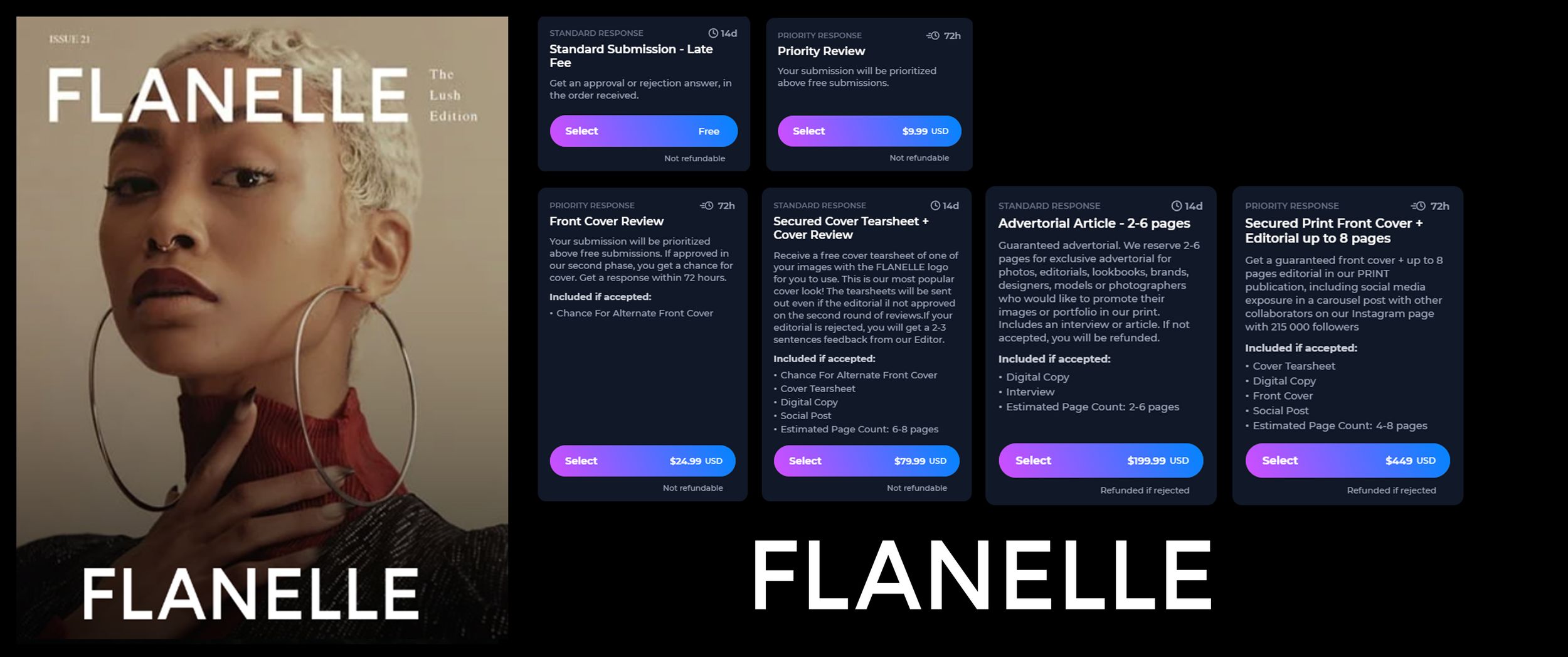
Many vanity publications require submission or placement fees, which can add up quickly without any guarantee of meaningful returns. Not only did the price turn me off, but the wait times for a response were another warning sign. For emerging artists, that financial outlay may not produce the visibility or impact they expect, making the submission process a high-cost, low-return gamble. Vanity publications also carry a stigma in the industry because they are often viewed as pay-to-play outlets rather than respected, merit-based publications, and that perception can weaken a creator’s credibility when clients or collaborators view the publication with skepticism, a concern that working photographers often raise when discussing these outlets (York, 2017). I discussed this in a group chat with a few photographers who shared prior experiences, and it changed how I looked at these submissions. If it were not for being published in a magazine outside Kavyar, I would have felt like my dream of being a published photographer was compromised.
The reach of many vanity magazines is also questionable because their audiences can be small or tightly niche, so the exposure may not expand visibility in a meaningful way (York, 2017). In the magazines I was published in, I noticed other creators in the same issue, but I found myself only scanning their work once before turning into my own harshest critic when I reached my pages. From the outside looking in, it makes me wonder if the few people who bought that issue did the same with my work. There is also no guarantee of quality, since some vanity magazines lack rigorous editorial standards, which can result in publications that feel rushed or poorly produced (York). In combination, the financial risk, credibility concerns, uncertain reach, and inconsistent quality make vanity magazines a gamble that creators should evaluate carefully.
Part 5 | Deciding if Vanity Publications Are Right for You
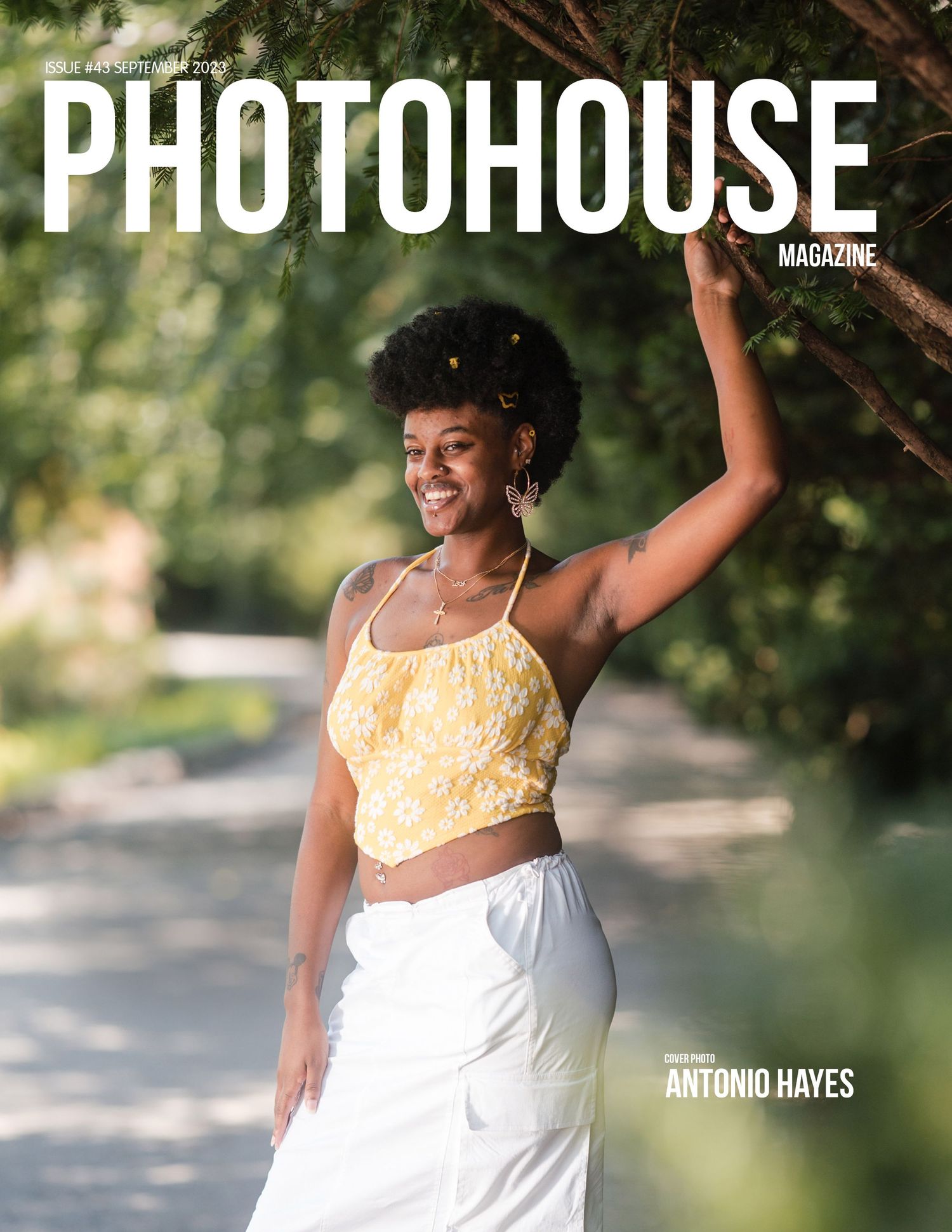
When considering whether vanity publications align with your goals, start by clarifying what you aim to achieve. Are you looking for exposure, portfolio development, or simply a way to build credibility in the early stages of your career or hobby? If so, vanity magazines might be worth exploring, as they offer opportunities to showcase your work to niche audiences. When I started, I wanted to see my work in a magazine. However, many publications didn’t meet my expectations, and as a result, I’ve decided to step away from them after one more feature with PHOTOHOUSE, as they had a strong social media presence in 2025.
Next, think about your budget. These types of publications usually come with submission or placement fees, which can quickly add up. In one case, I opted for free submission in FLANELLE, the magazine shown in part 4, and it took about two weeks, exactly 17 days, to receive a rejection. However, I suspect that if I had chosen the $449 option, they would have accepted it readily. It’s not just this magazine; I had a similar experience with EDITH magazine. For the cover publication displayed throughout this blog, my free submission was initially rejected, but when I submitted the same photos with the $102 option, they were accepted within four hours. These experiences contributed to a sense of diminished credibility, making it important to decide how much you’re willing to invest without guaranteed returns.
Finally, consider alternative options. Explore whether submitting to free online galleries, entering contests, or networking on social media platforms might provide similar benefits without financial commitment. Balancing these factors can help you make an informed decision about whether vanity publications are a good fit for your creative journey.
Researching each publication's reputation is equally essential. Not all vanity magazines offer the same level of quality or reach, so look for reviews or testimonials from other creatives who have contributed to them. One good way of doing this is to look up their social media accounts. Many, and I mean many, have high followings with little to no engagement. Here are some of the Instagram accounts of magazines from Kavyar and an example of their engagement:
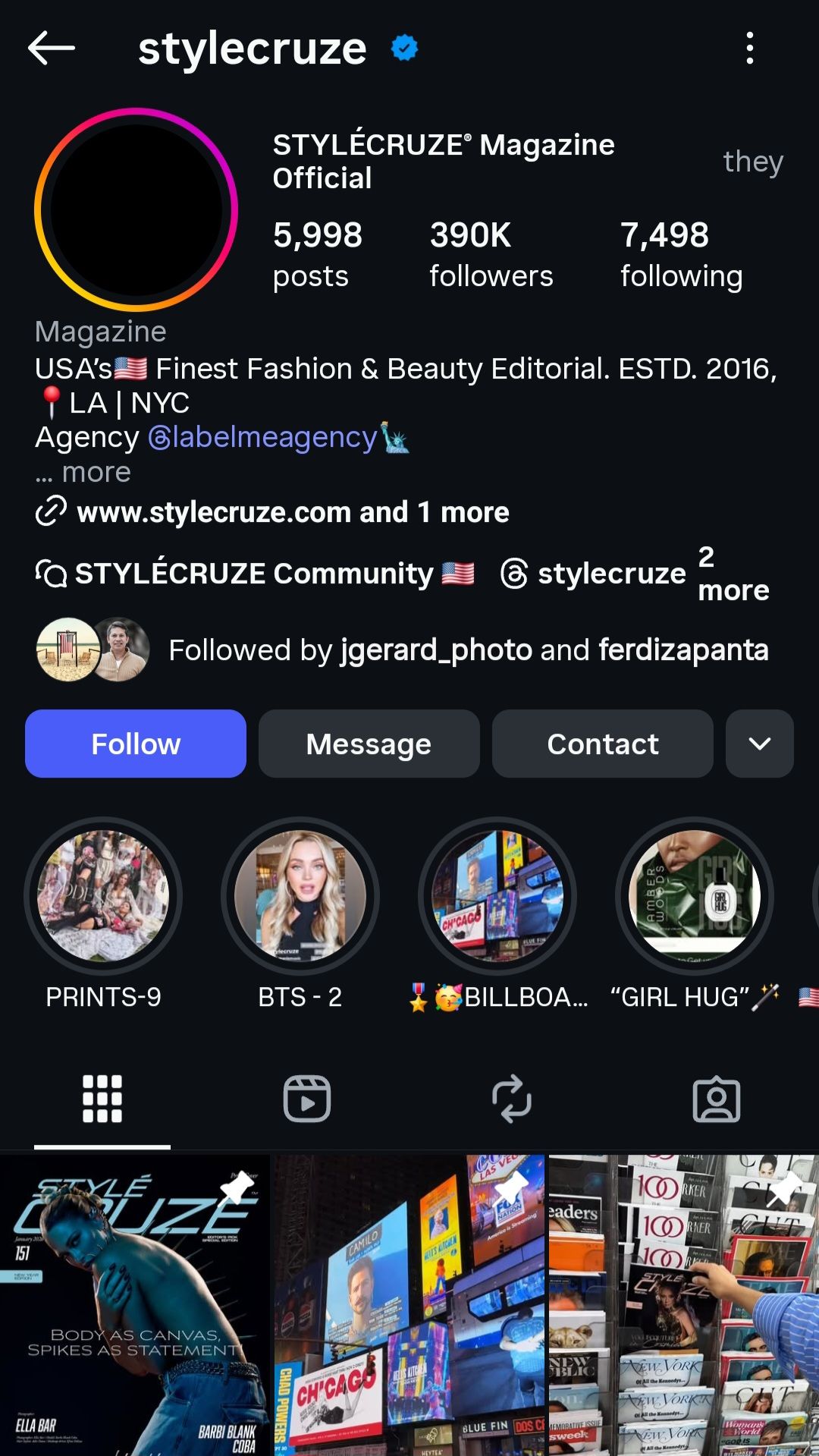
"STYLECRUZE" Magazine from Kavyar
A common magazine I see on my feed from various photographers.
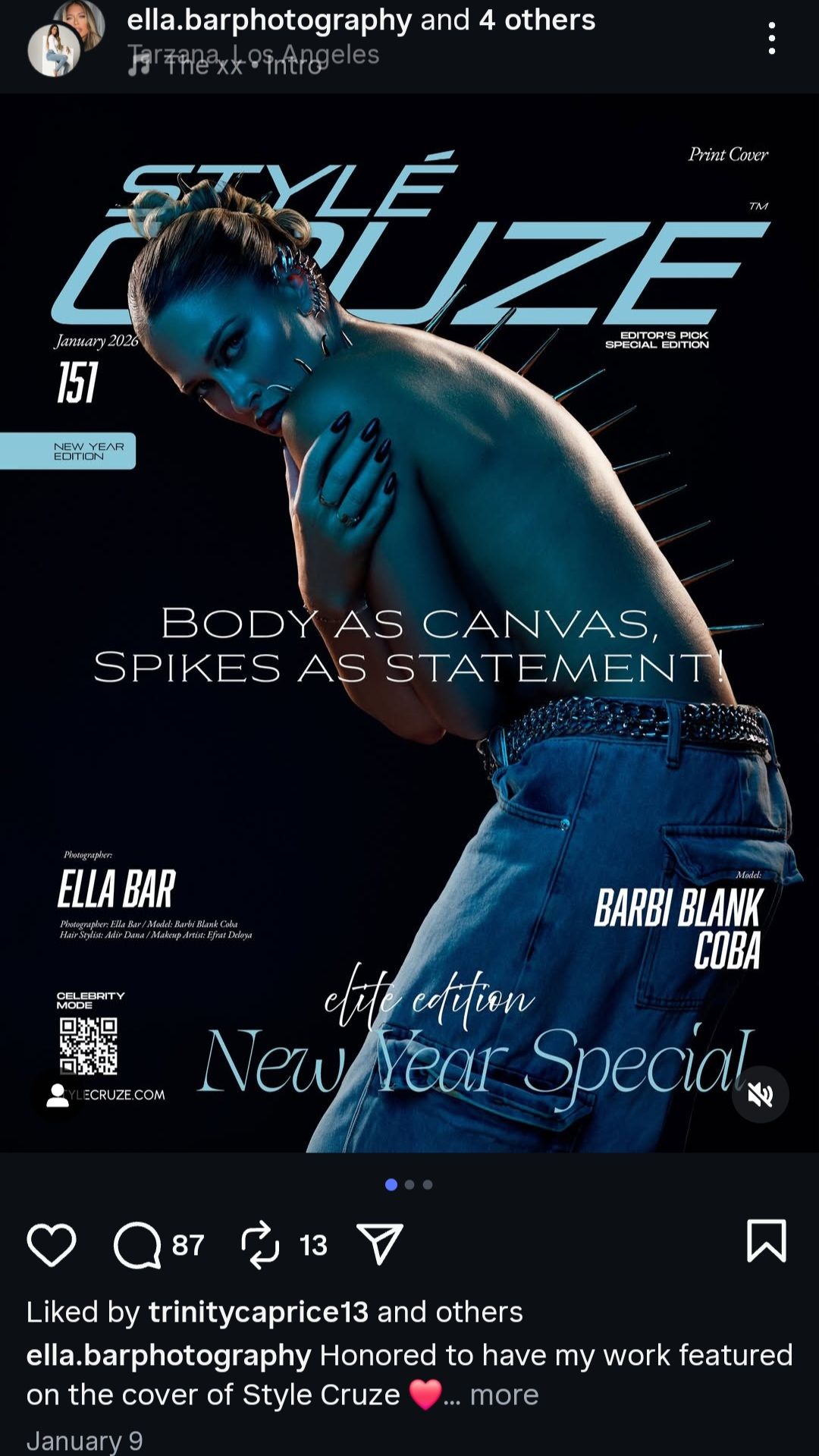
"STYLECRUZE" Instagram Post
Hiding likes is never a good sign...
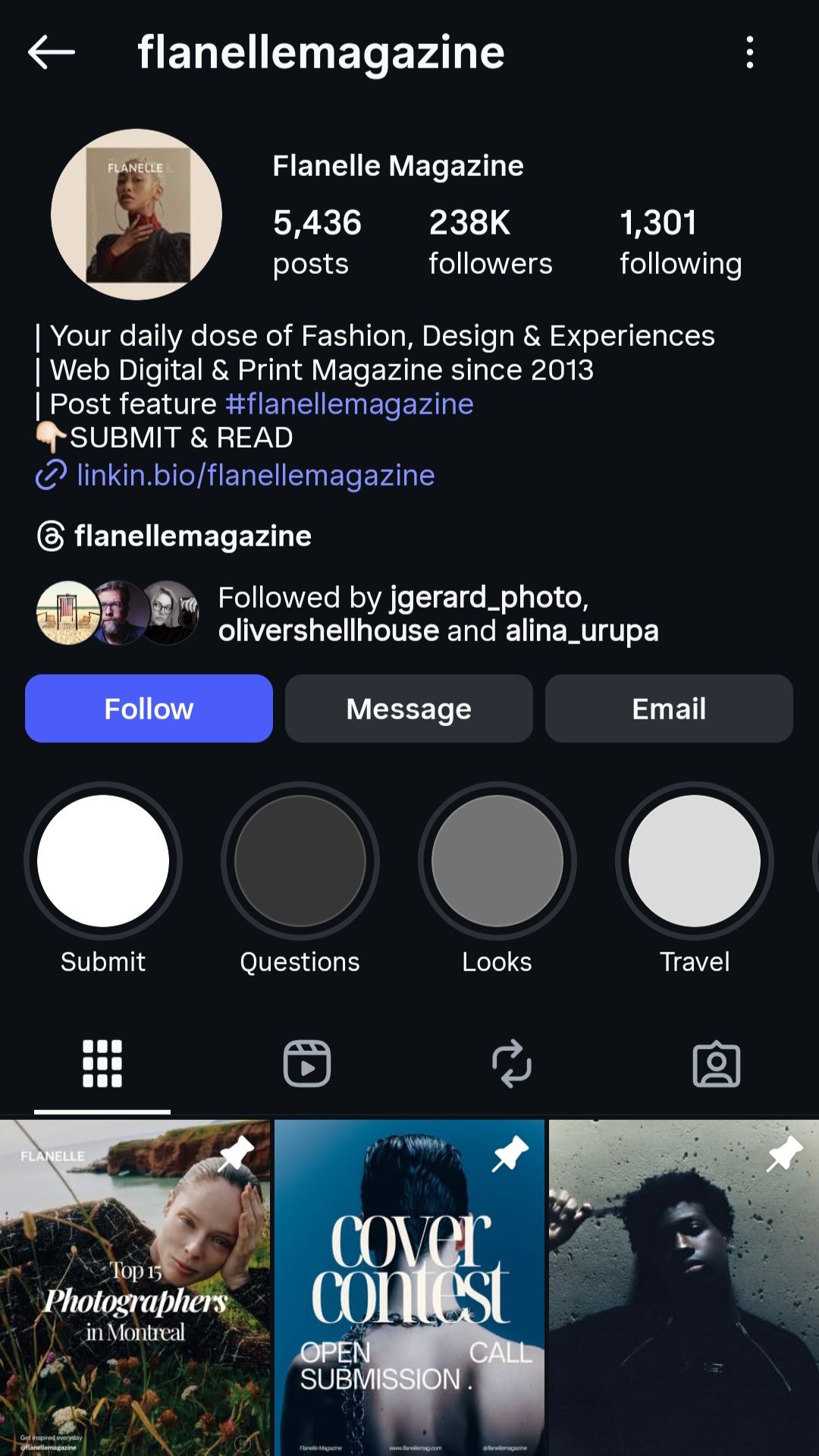
"FLANELLE" Magazine from Kavyar
The magazine I was rejected by when using the free option.
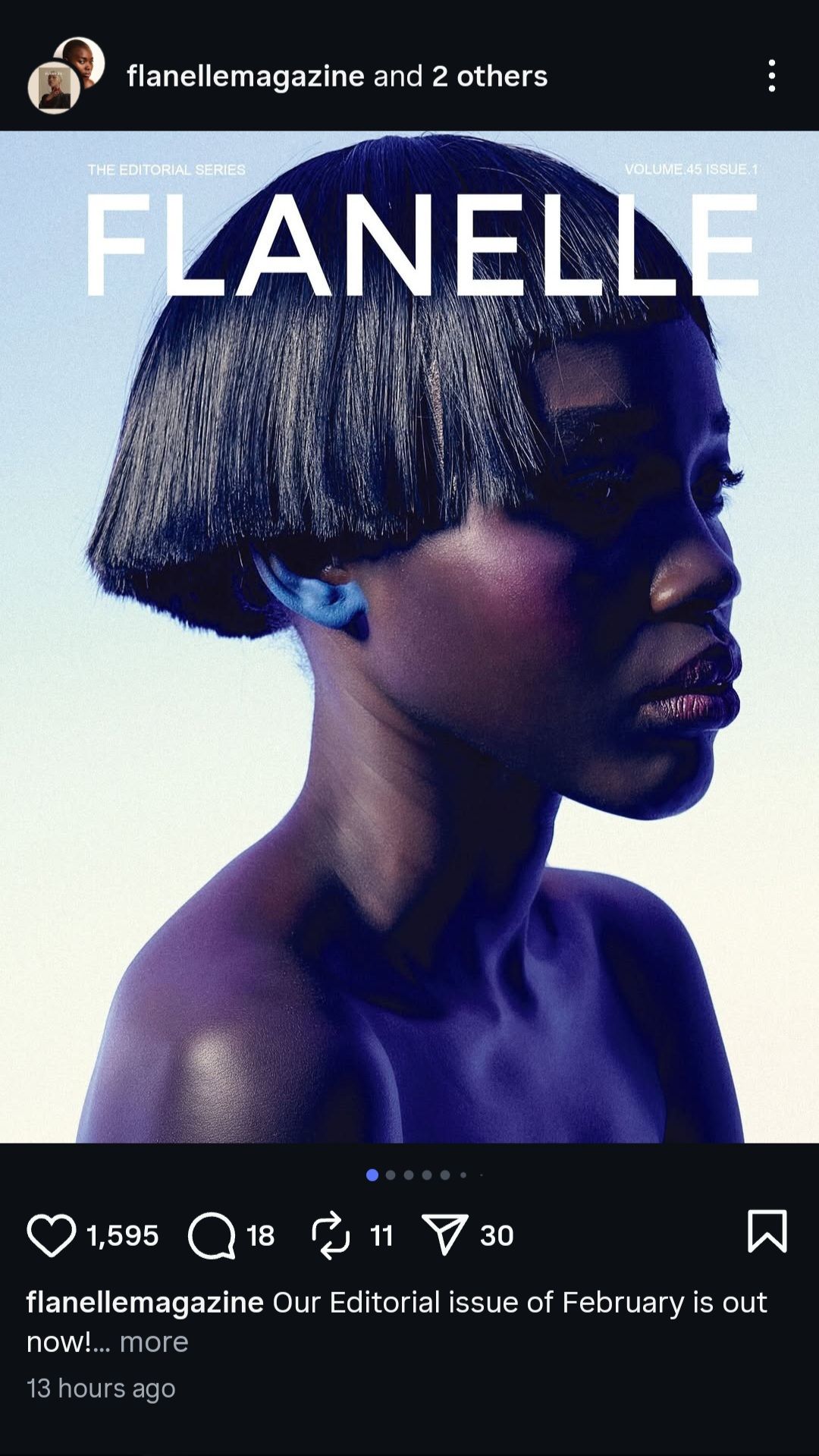
"FLANELLE" Instagram Post
238k followers with 1600 likes on average. 0.7% engagement ratio.
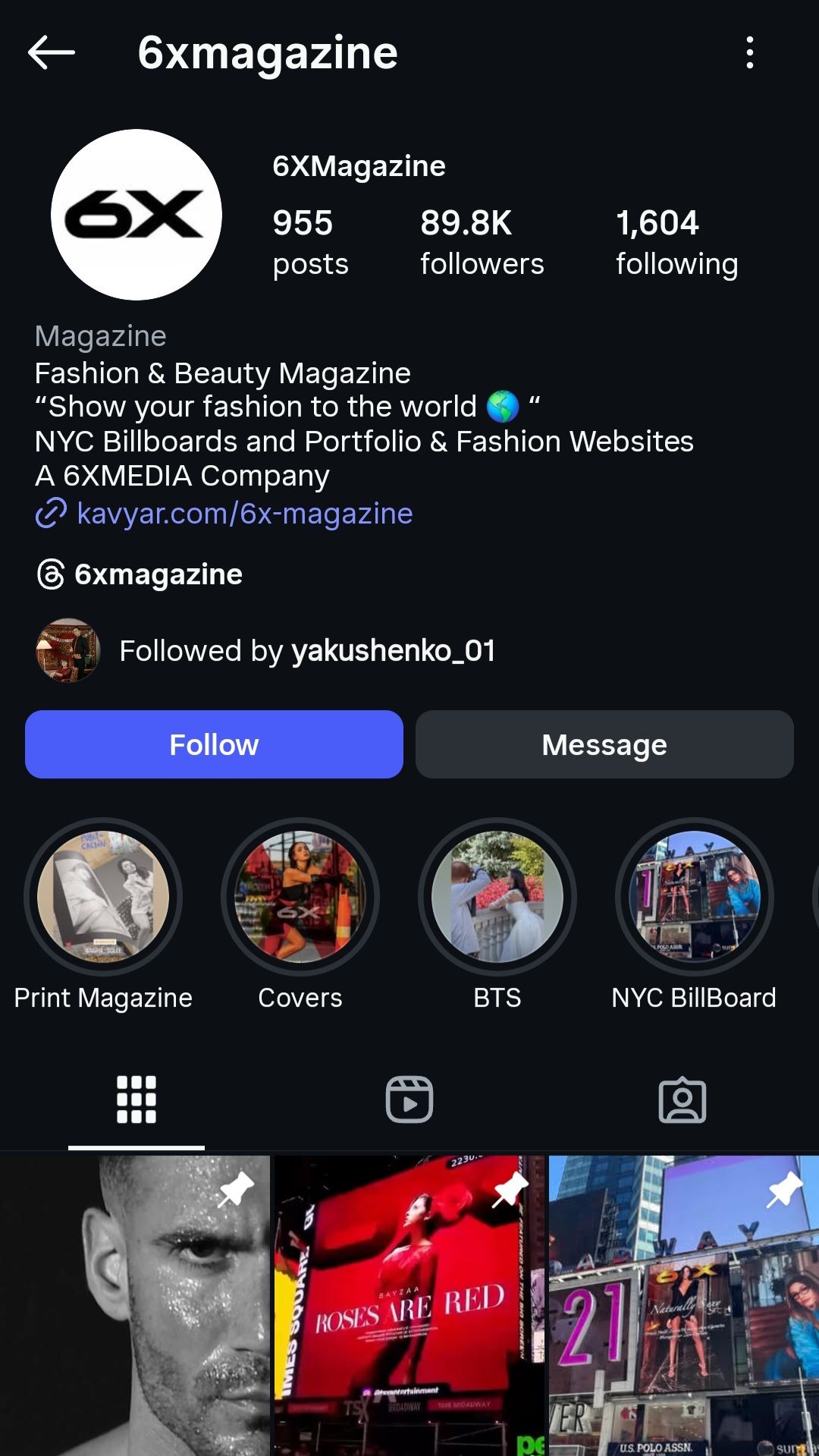
"6X" Magazine from Kavyar
A common magazine I see on my feed from various photographers.

"6X" Instagram Post
Once again, hiding likes is never a good sign...
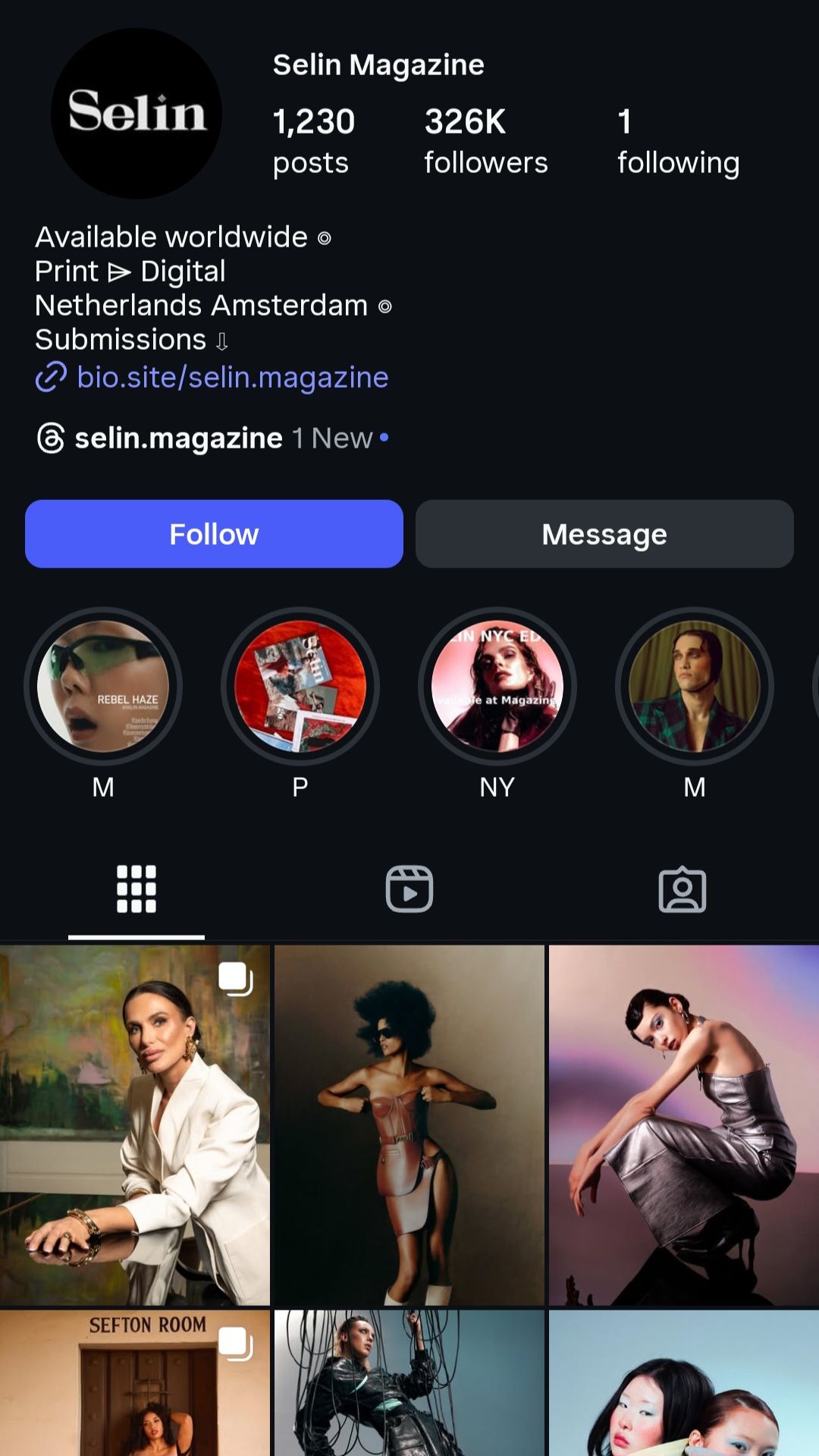
"Selin" Magazine from Kavyar
This was an option I was considering before I stopped submitting to Kavyar magazines.
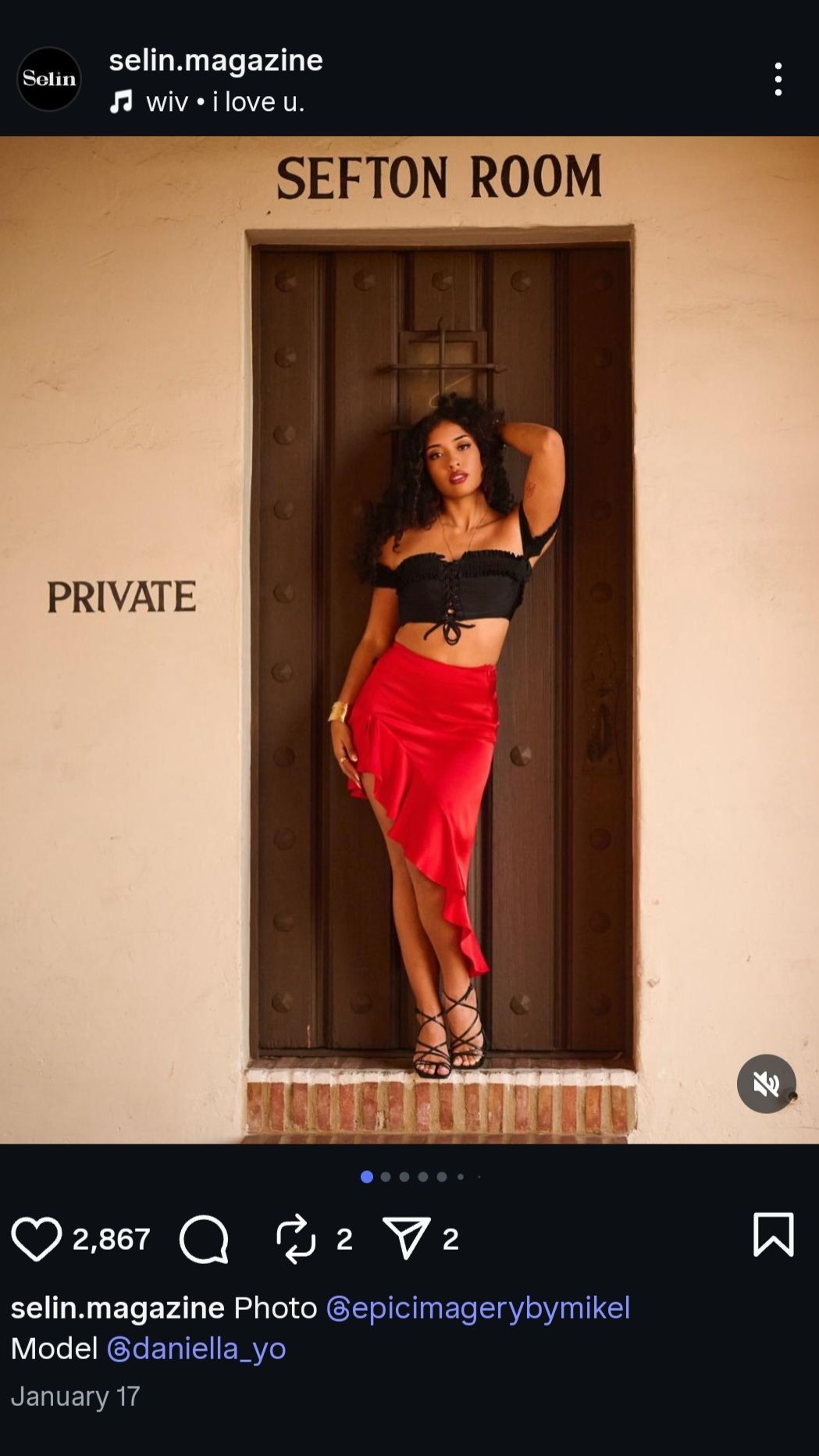
"Selin" Instagram Post
326k followers with 2900 likes on average. 0.9% engagement ratio.
This can help you gauge whether the publication is respected within its field or might carry the widely recognized “pay-to-play” stigma.
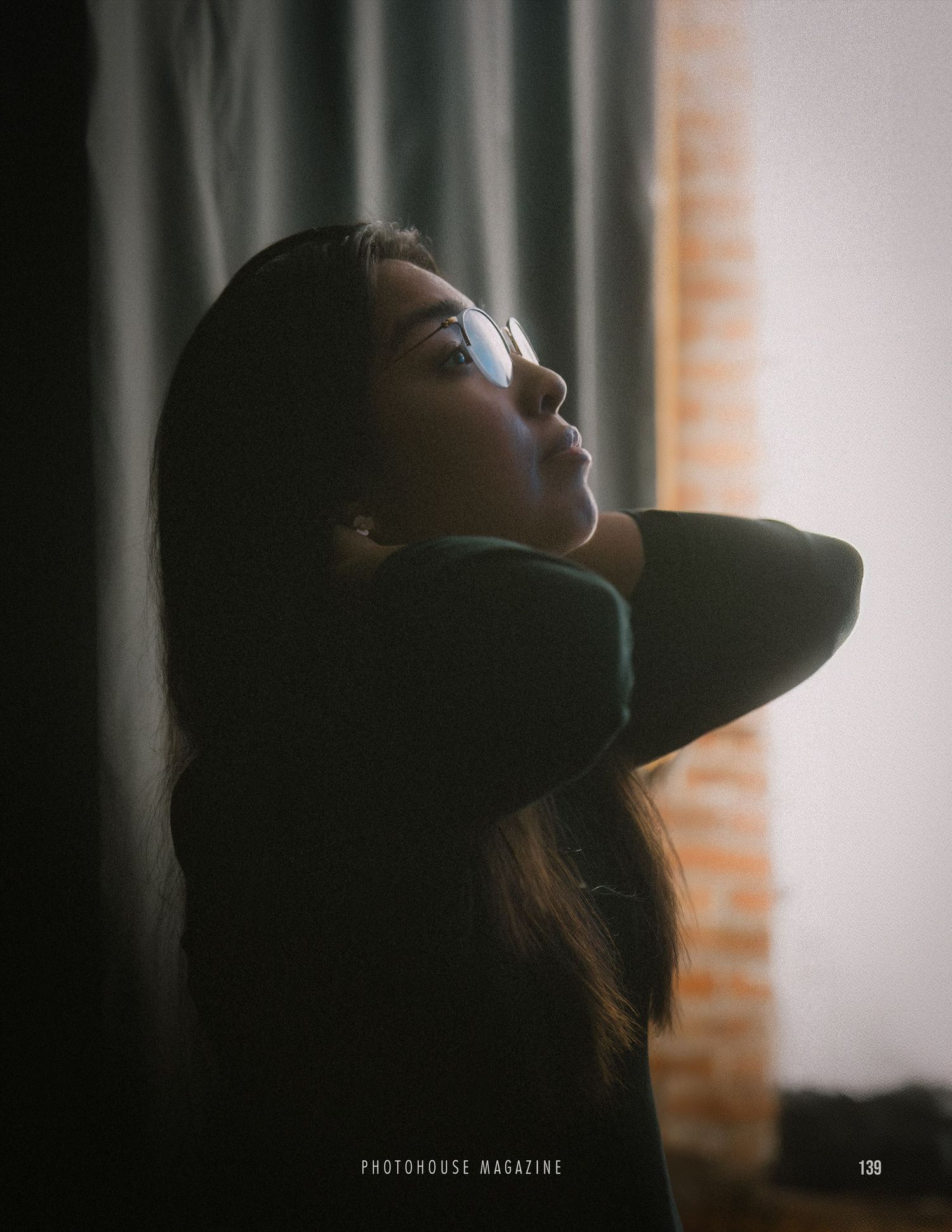
A picture from my very last submission.
Reminder Disclaimer
As you reach the end of this blog, please remember that everything written here is shared with respect and in good faith. The points I have raised come from my own experience and observations of brand debates in the photography world, but they can easily apply to other creative tools and communities as well.
Nothing here should be taken as a personal attack, a set of rules, or an absolute truth about how anyone must practice photography. These reflections are meant to encourage self-awareness, invite clearer thinking about gear choices, and support long-term creative growth. If any section felt uncomfortable, consider using that feeling as a moment for self-reflection rather than offense, especially where brand loyalty and identity may overlap.
You are free to take what resonates and leave what does not. Different viewpoints only strengthen the photography community, and disagreement is part of that process. I am not responsible for how these words are interpreted outside their intended context, which is to encourage reflection, conversation, and healthier relationships with both cameras and creativity.
Citations:
- Paige, Kendra. “What’s Wrong With Magazines Charging Their Contributors For Submissions.” Retouching Academy, 25 Sept. 2018, https://retouchingacademy.com/whats-wrong-with-magazines-charging-their-contributors-for-submissions/.
- “Kavyar Guidelines for Submitters.” Kavyar, https://kavyar.com/support/guidelines-for-submitters.
- York, Nicole. “Why You Shouldn’t Submit Your Photographs to Magazines.” Fstoppers, 30 Aug. 2017, https://fstoppers.com/originals/why-you-shouldnt-submit-your-photographs-magazines-193976