
Disclaimer
Preface
This blog is written to encourage reflection and growth within the photography community. It is not meant to offend, target, or discredit any individual, brand, or practice. The ideas presented here come from common patterns seen in creative spaces, particularly in the ongoing debates about camera brands and loyalty. Some of these thoughts connect to themes in my earlier writings, since they address recurring issues in how photographers engage with their craft and one another.
If any part of this piece feels uncomfortable, treat that reaction as an opportunity for self-reflection instead of offense. Discomfort often signals areas with the most potential for learning. The purpose of this blog is not to criticize but to encourage awareness about how brand identity, marketing, and social influence can affect creative freedom and long-term growth.
By continuing to read, please understand that this work is shared in good faith and with respect for all photographers, regardless of what gear they use or how they choose to express themselves. While the focus here is on photography, these insights may also apply to other creative fields where tools and identity often overlap.
Nothing written here should be taken as a personal attack, professional judgment, or universal truth. These reflections come from my own experiences and observations and may differ from yours. Differences in opinion do not mean one is right and the other wrong. If something here resonates, take it with you. If it does not, leave it behind. The goal is to promote thought, open conversation, and continued creative growth.
Part 1 | Introduction
Many discussions across photography communities and social media platforms turn into brand comparisons and arguments. Some creators defend their favorite system as if it represents their personal identity, while others criticize competing brands without reason. This blog explores why those arguments miss the point and why creative growth depends on skill rather than allegiance. I have noticed that debates online tend to be more hostile than in-person discussions, where accountability keeps conversations more civil.
Brand attachment can limit perspective and reduce curiosity about learning new techniques. The focus should stay on practice, experimentation, and personal vision instead of company logos. In 2013 I started with Fujifilm. Later that same year, I switched over to Nikon. I was very green at the time, and my Fujifilm FinePix had a fixed zoom lens. Then I made the switch to Nikon the same year because I found the Nikon D3000 with the kit lens at a very affordable price. Ten years later, in 2023, I moved from Nikon to Sony. Throughout those switches, the main change was my understanding of photography. I concentrated on exposure fundamentals rather than the logo on the camera. When photographers view their cameras as tools instead of trophies, the conversation shifts back to what actually builds strong images.
To understand how these rivalries became so ingrained, it helps to look briefly at where they began. The next section turns to the early competition that shaped today’s loyalty between camera makers.
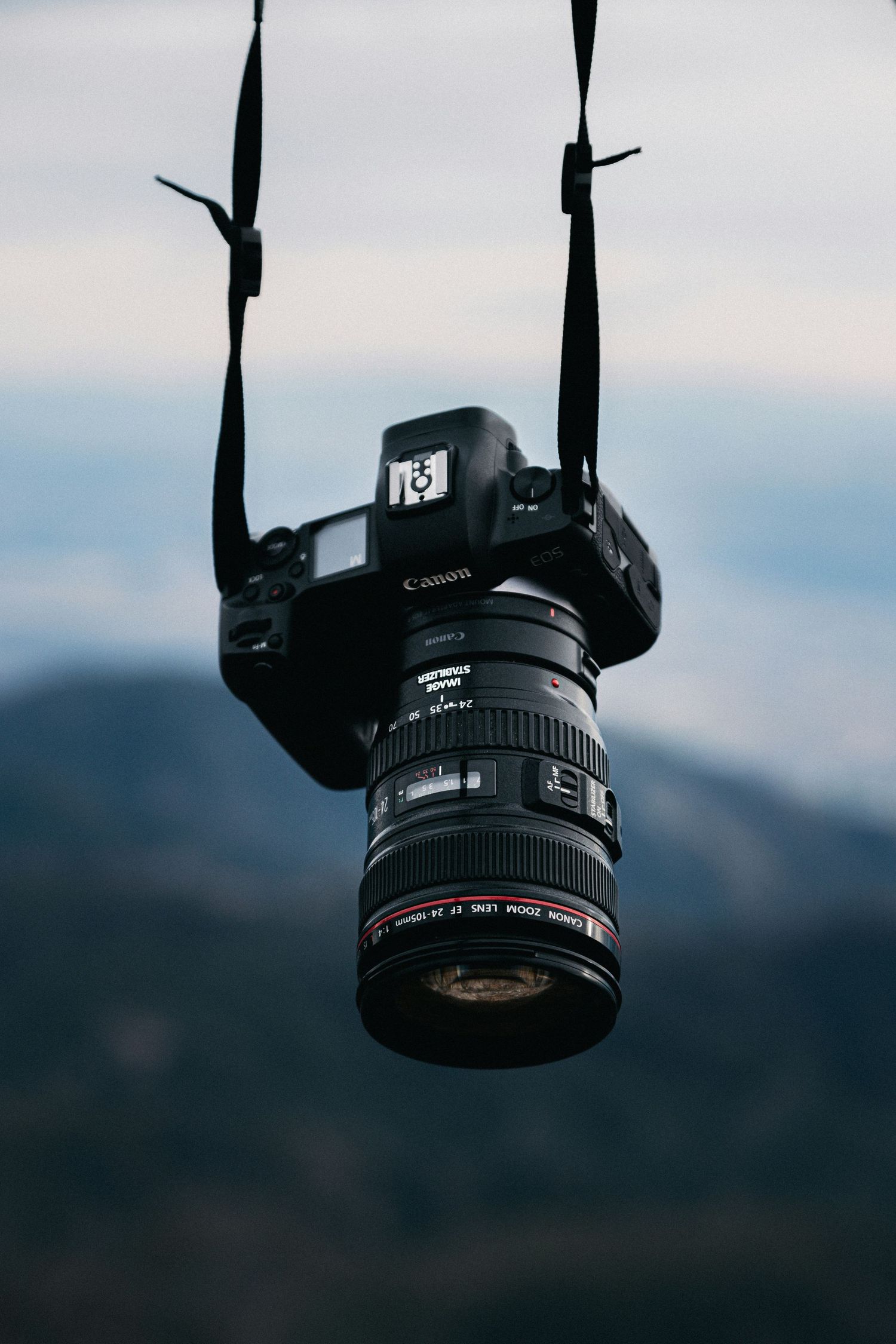
Photo by Jakob Owens on Unsplash
Part 2 | A Short History of Rivalries
Camera brand rivalries have existed since the film era. In the mid twentieth century, photographers were often divided between Nikon and Canon users, each group claiming technical superiority. Other manufacturers such as Minolta, Pentax, and Olympus built smaller but loyal communities. What began as competition over lenses, durability, and precision eventually became part of each brand’s identity. That mindset still influences how photographers see themselves today.
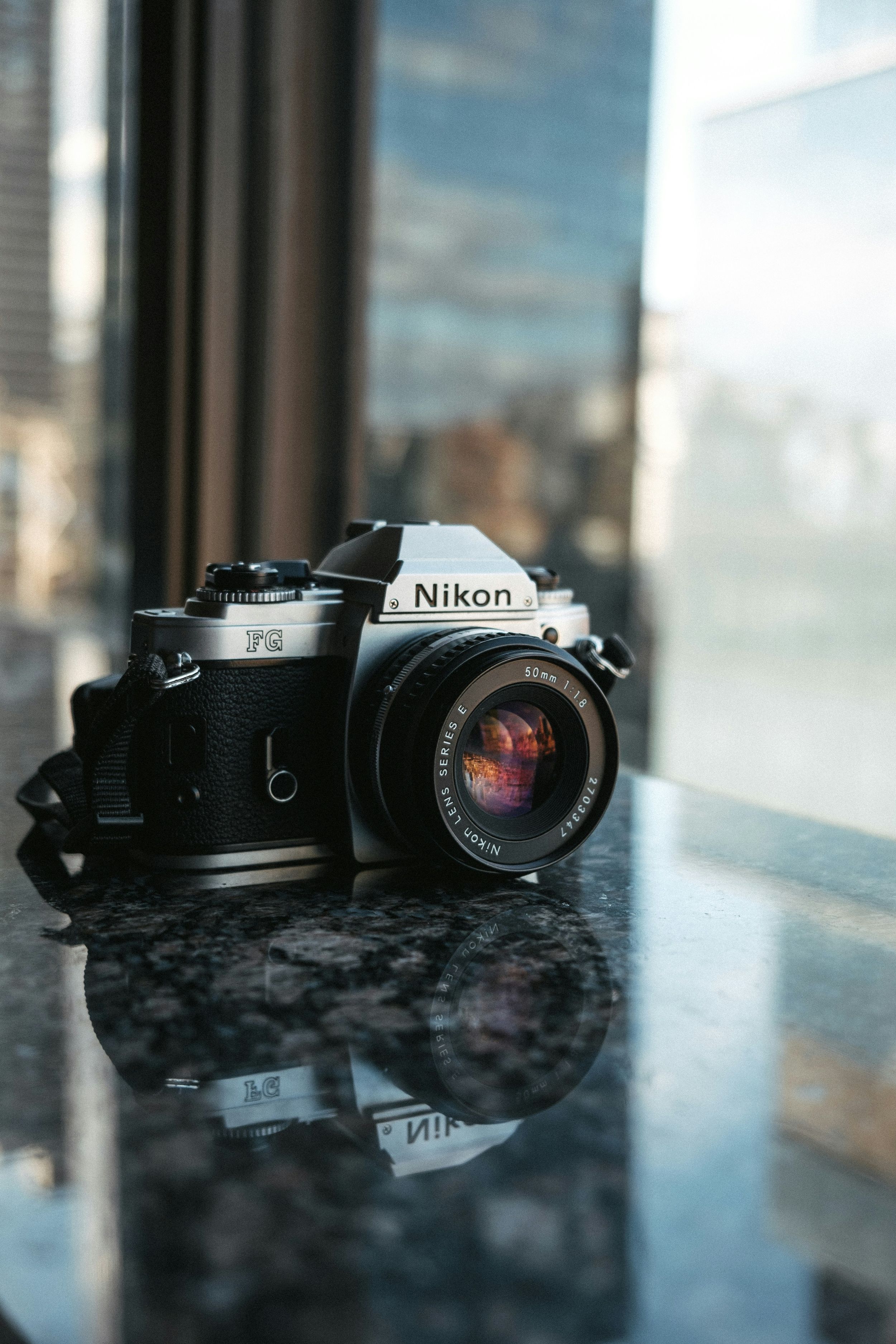
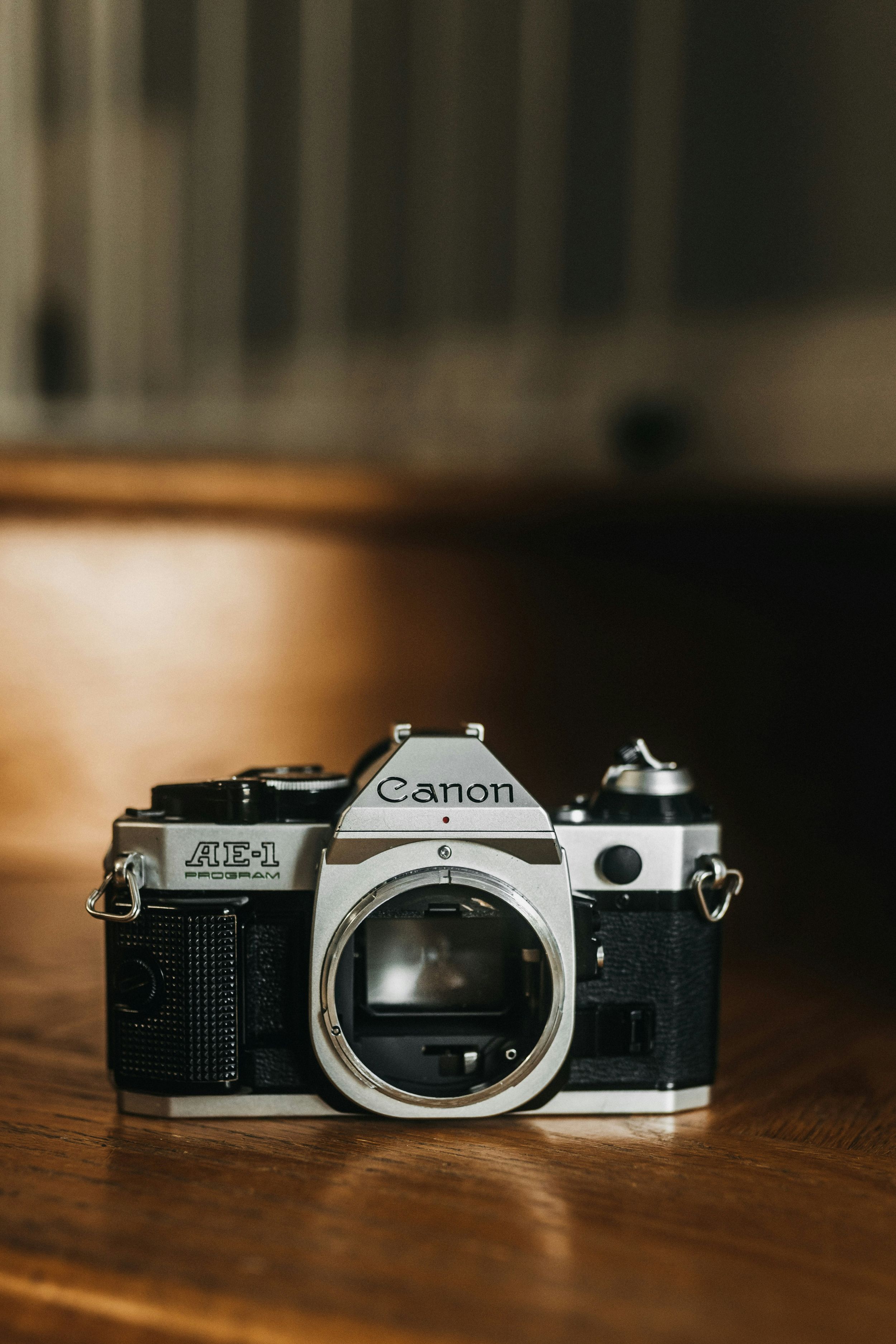


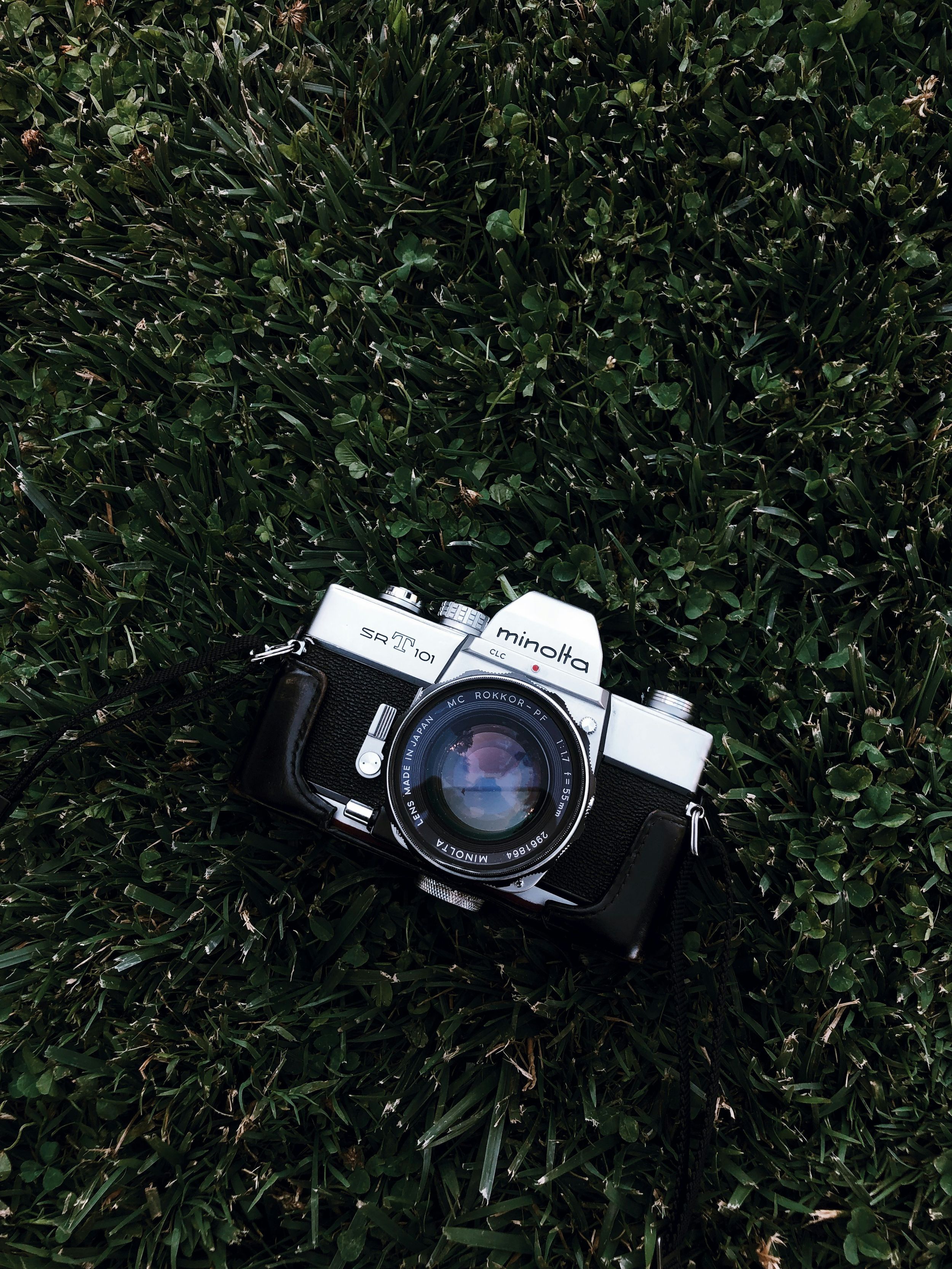
As technology advanced, the digital transition in the late 1990s and early 2000s reshaped the field. Sony entered with electronic expertise, while Fujifilm leaned into its color science to challenge established names. These shifts reignited competition and drew new users into older rivalries. Many forums and early online communities became spaces where users defended chosen systems instead of discussing technique or creative intent.
These rivalries did have some benefits. They pushed companies to innovate in autofocus systems, lens coatings, and sensor design. Without such competition, technological progress might have slowed. Research from Harvard Business School supports this dynamic, showing that early competition in the consumer digital camera market led brands to differentiate through innovation rather than price alone, reinforcing loyalty among users (Benner, 2011). Yet innovation also arrived alongside marketing pressure that encouraged photographers to equate loyalty with skill, linking personal identity to corporate success.
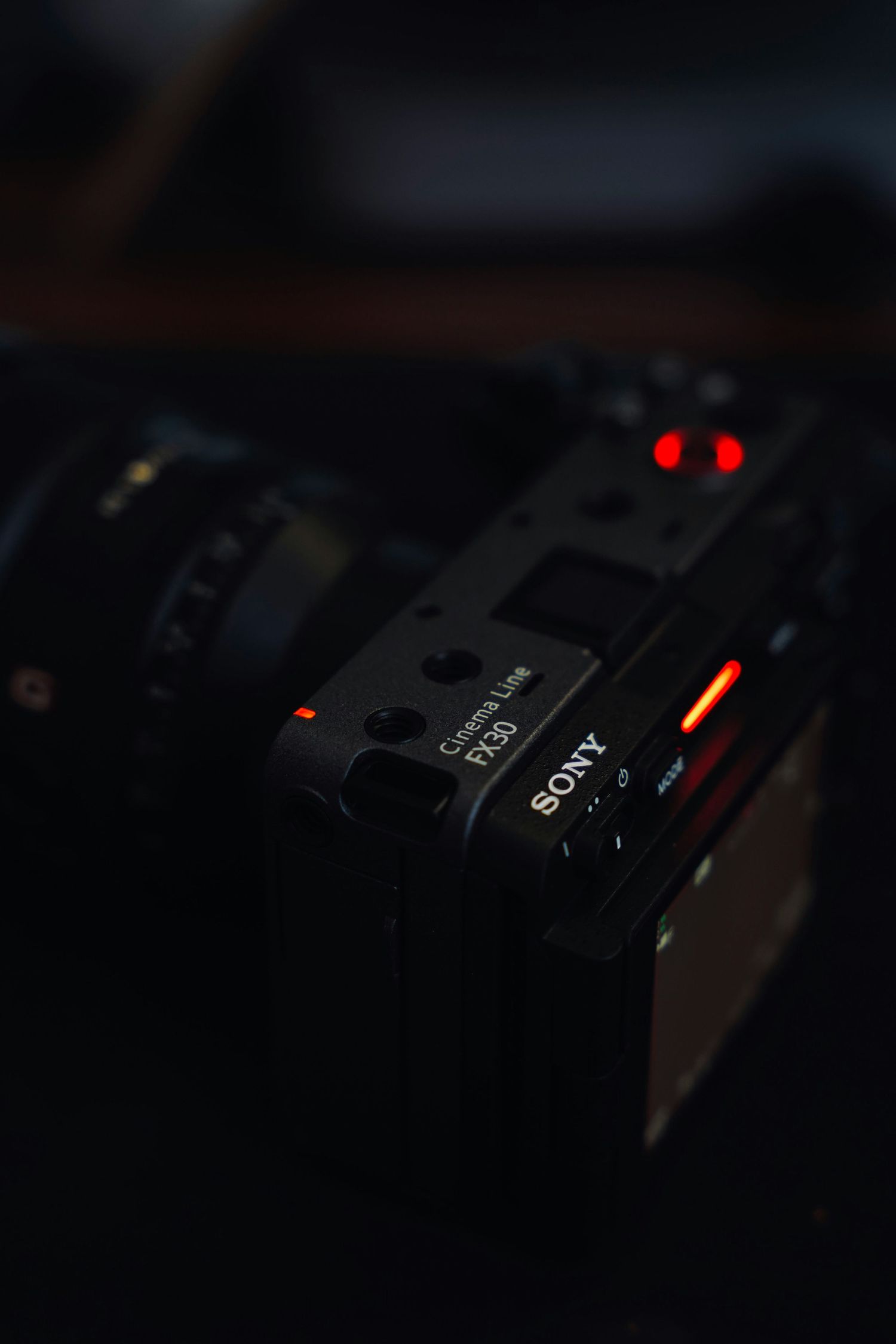
Photo by David Liceaga on Unsplash
Even today, debates continue across social platforms despite most systems producing similar results in capable hands. Research shows that when consumers engage deeply in brand communities, shared identity can become a stronger driver of loyalty than objective product differences. One study found that experiences inside virtual brand communities significantly influence community identity, which then reinforces brand allegiance more than actual performance (Huangfu et al., 2022).
In this light, these longstanding rivalries continue to grow because the stories surrounding each brand have become intertwined with how many photographers define themselves, blending personal expression with corporate narrative in ways that still shape modern photographic culture.
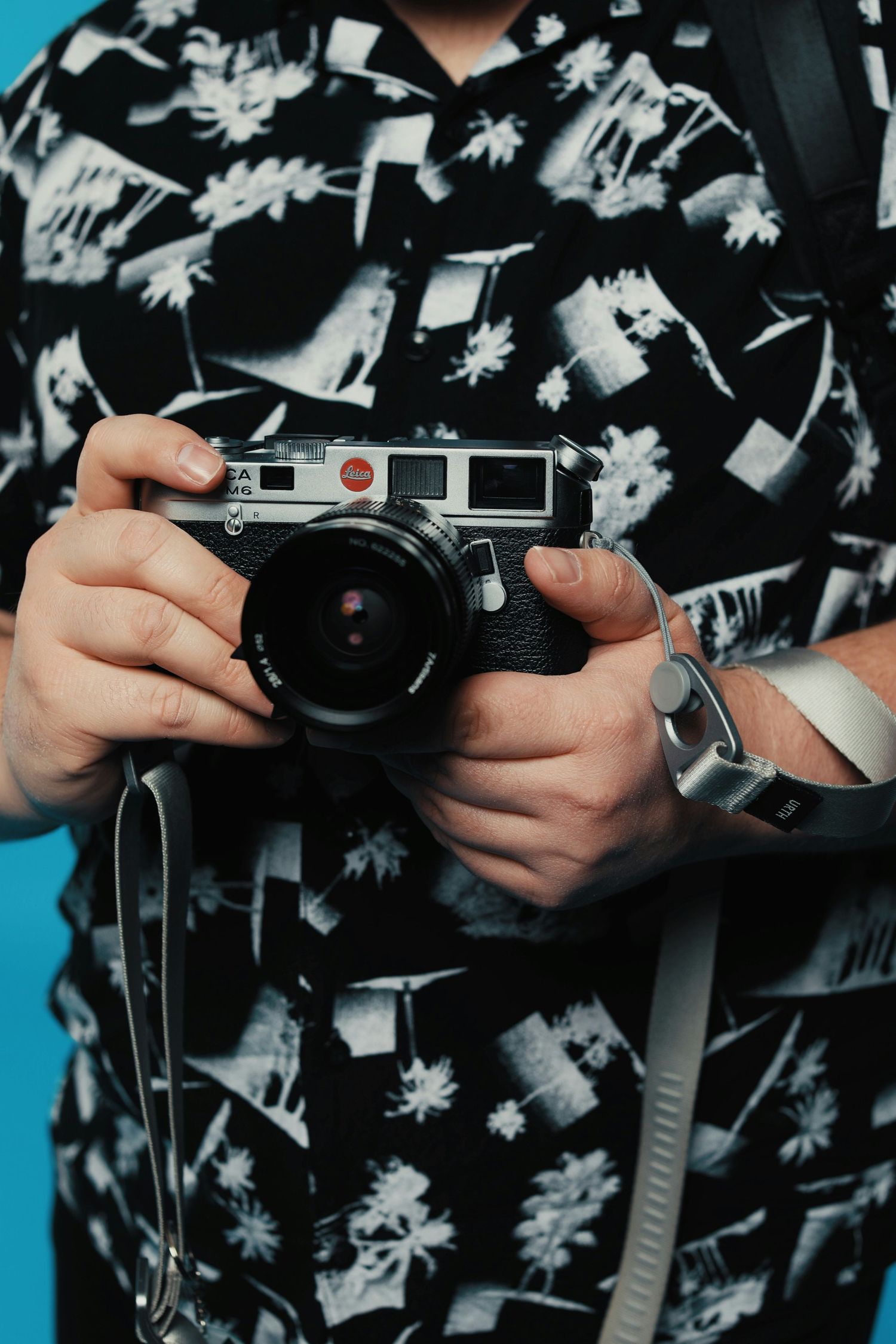
Photo by Josh Rich on Unsplash
Part 3 | Marketing and Identity
Camera companies learned early that technical data alone does not build loyalty. They create emotional connections through consistent storytelling and community engagement. Nikon frequently draws on its association with photojournalism and historical milestones, featuring campaigns that reference its use by professionals in landmark events and expeditions. Canon maintains a consistent focus on reliability and everyday performance, often using testimonials from working photographers who rely on its equipment under pressure. Sony positions itself as the innovator of the group, highlighting breakthroughs in mirrorless design, sensor technology, and hybrid video capabilities. These narratives shape perception more effectively than any sensor chart. Over time, this approach has turned marketing into a shared language among photographers rather than a simple sales strategy.
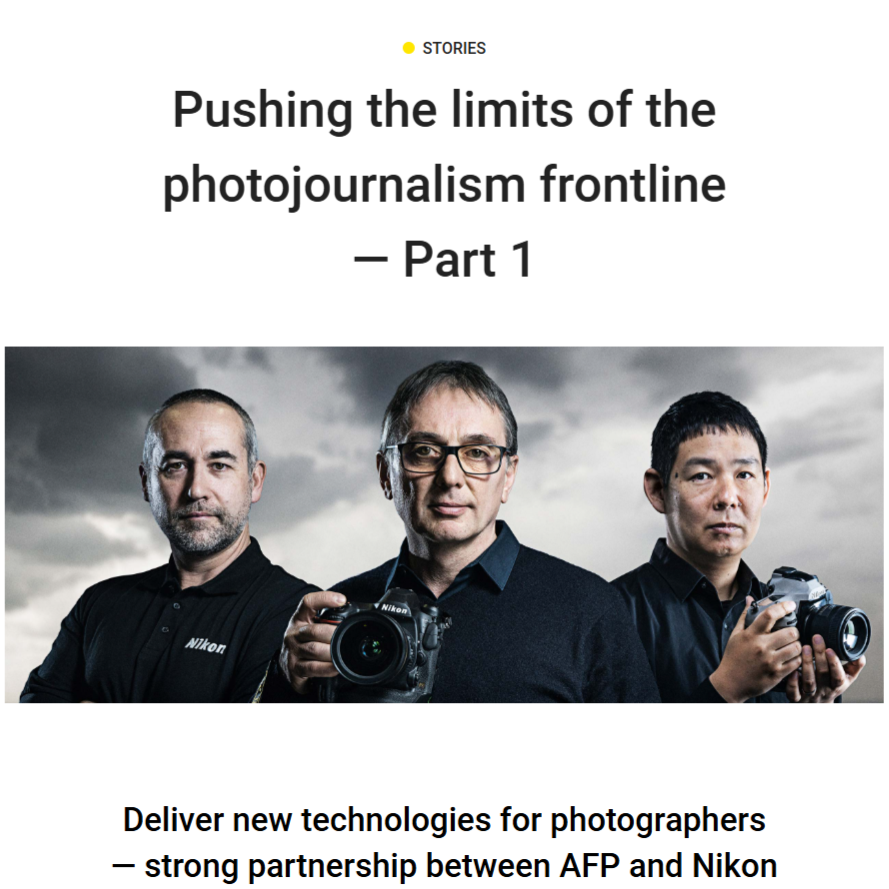
Nikon.com
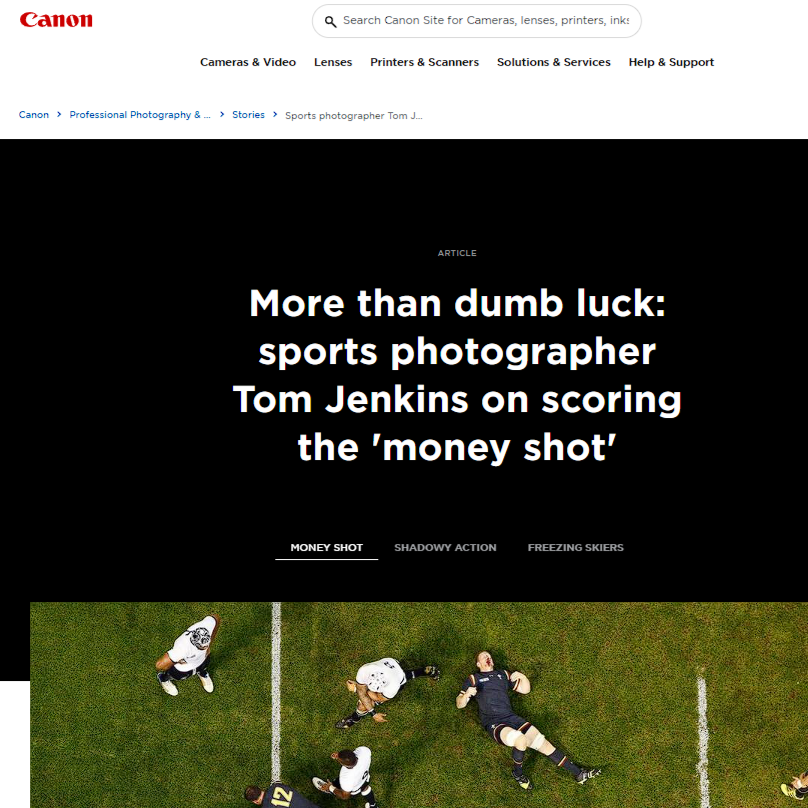
Canon-cna.com

Sony.com
The goal behind this type of messaging is identity. When a photographer buys into a brand, they often adopt its values, history, and public image. This emotional tie builds a sense of belonging that keeps customers engaged beyond product cycles. A 2021 Ptengine case study described how Nikon’s campaigns encourage users to view membership in its community as a mark of skill and dedication (Ptengine, 2021).
That study notes that Nikon promotes hashtags such as #nikoncreators to encourage photographers to share work and reinforce community identity. This strategy works well for retention but can blur the line between appreciation and dependence. It is also a common talking point among Nikon users when they defend their brand.
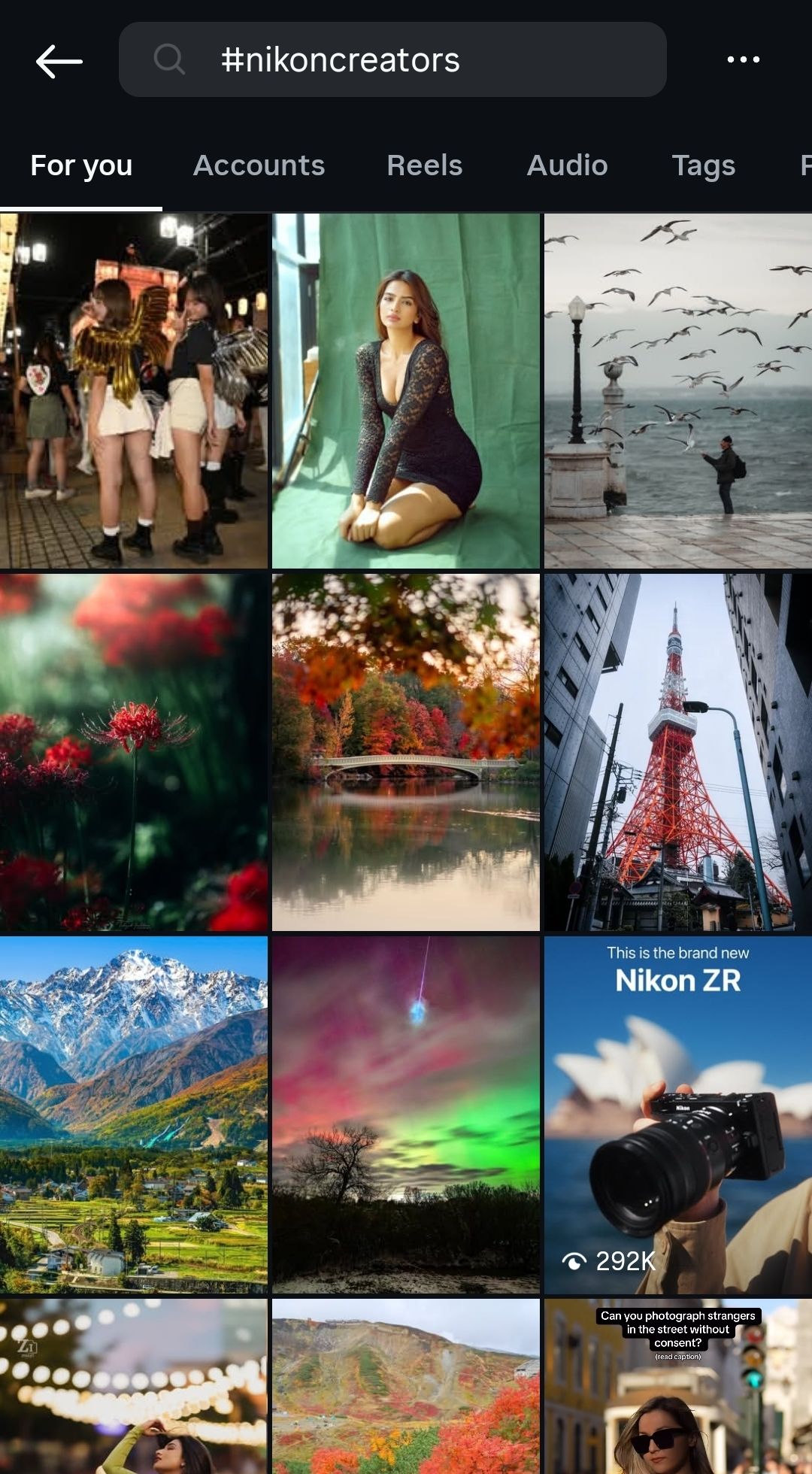
#nikoncreators on Instagram
As competition intensified in the digital age, brands leaned harder into lifestyle marketing to separate themselves. Product launches began to feature ambassadors, social events, and aspirational campaigns designed to make ownership feel like participation in something larger than photography itself. I primarily use Sony, and I notice that they do this regularly at their events by lending out the latest gear for creatives to use, creating direct physical contact with the equipment. While this approach keeps audiences loyal, it also shifts attention away from creativity and toward conformity. When branding overshadows expression, it limits experimentation and diversity of thought.
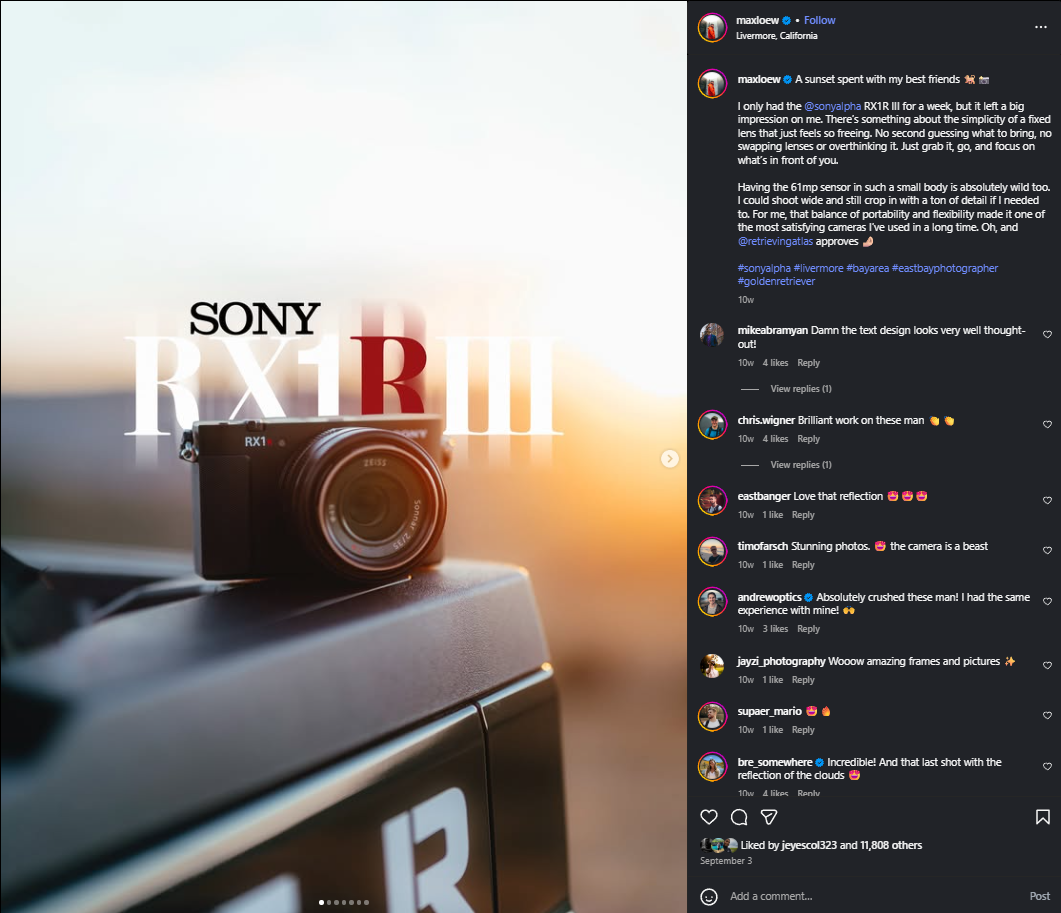
Marketing influence reaches further than most photographers realize. Articles such as Butler’s piece on DPReview remind readers that manufacturers are profit-driven organizations, not partners in artistic development (Butler, 2017). That reminder clarifies why feelings of allegiance can run so deep. Identity built through branding, although powerful, is ultimately a construct designed to support sales rather than define artistry. A recent example is Sony’s RX1R III compact camera, announced at a price of roughly 5,099.99 US dollars (Newsshooter, 2025). Reactions to that launch quickly moved from discussions of performance to arguments about price, exclusivity, and status, highlighting how marketing and loyalty now shape the tone of many gear conversations.
Part 4 | The Modern Brand Argument
In many online spaces, camera discussions quickly lose objectivity. Forums, comment sections, and social groups often turn into places where users defend or criticize brands instead of sharing useful information. Comments like “You are just a hater” or worse can reduce meaningful debate to personal defensiveness, reinforcing loyalty instead of understanding. These quick reactions spread faster than thoughtful feedback and shape how new photographers form opinions about their gear.
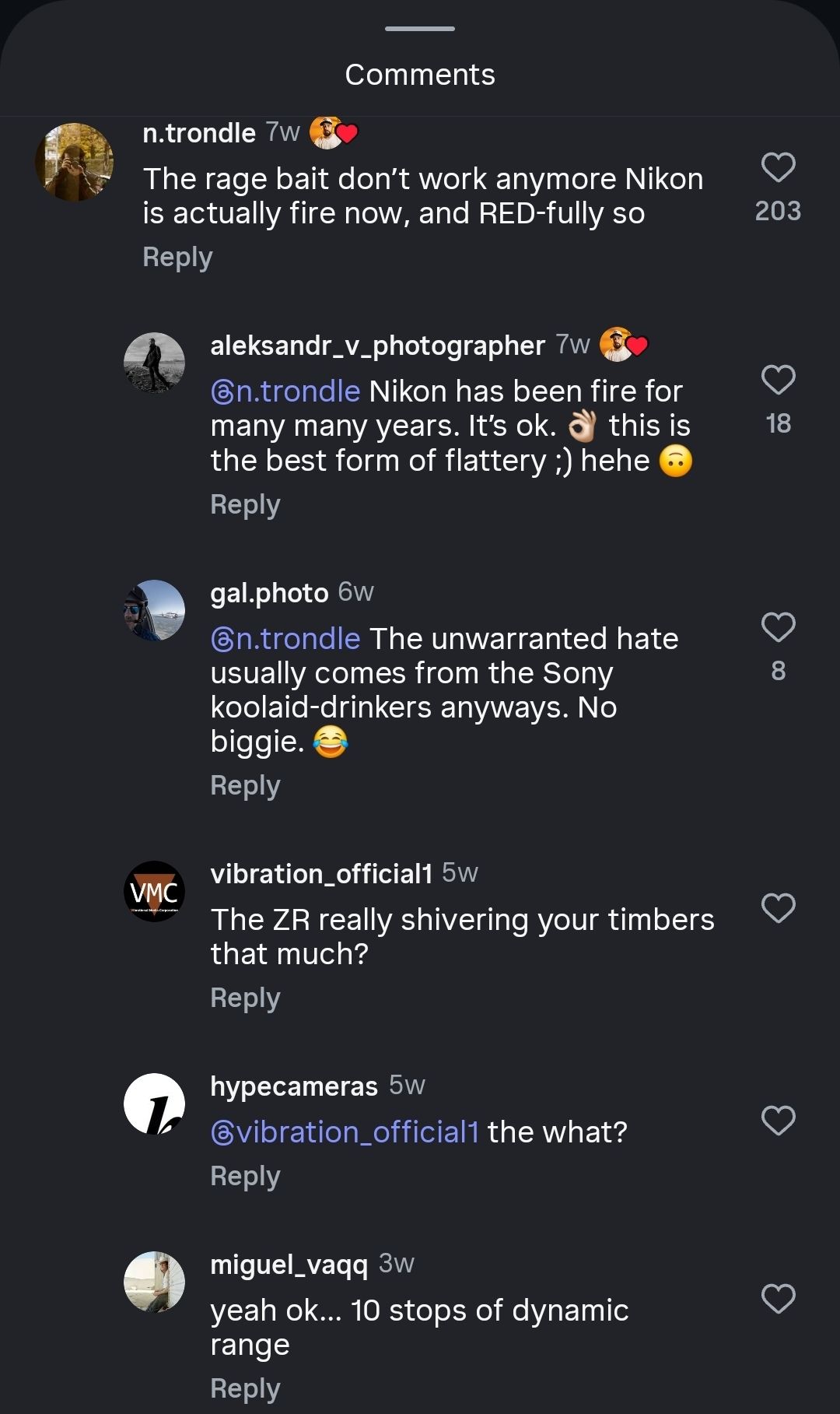
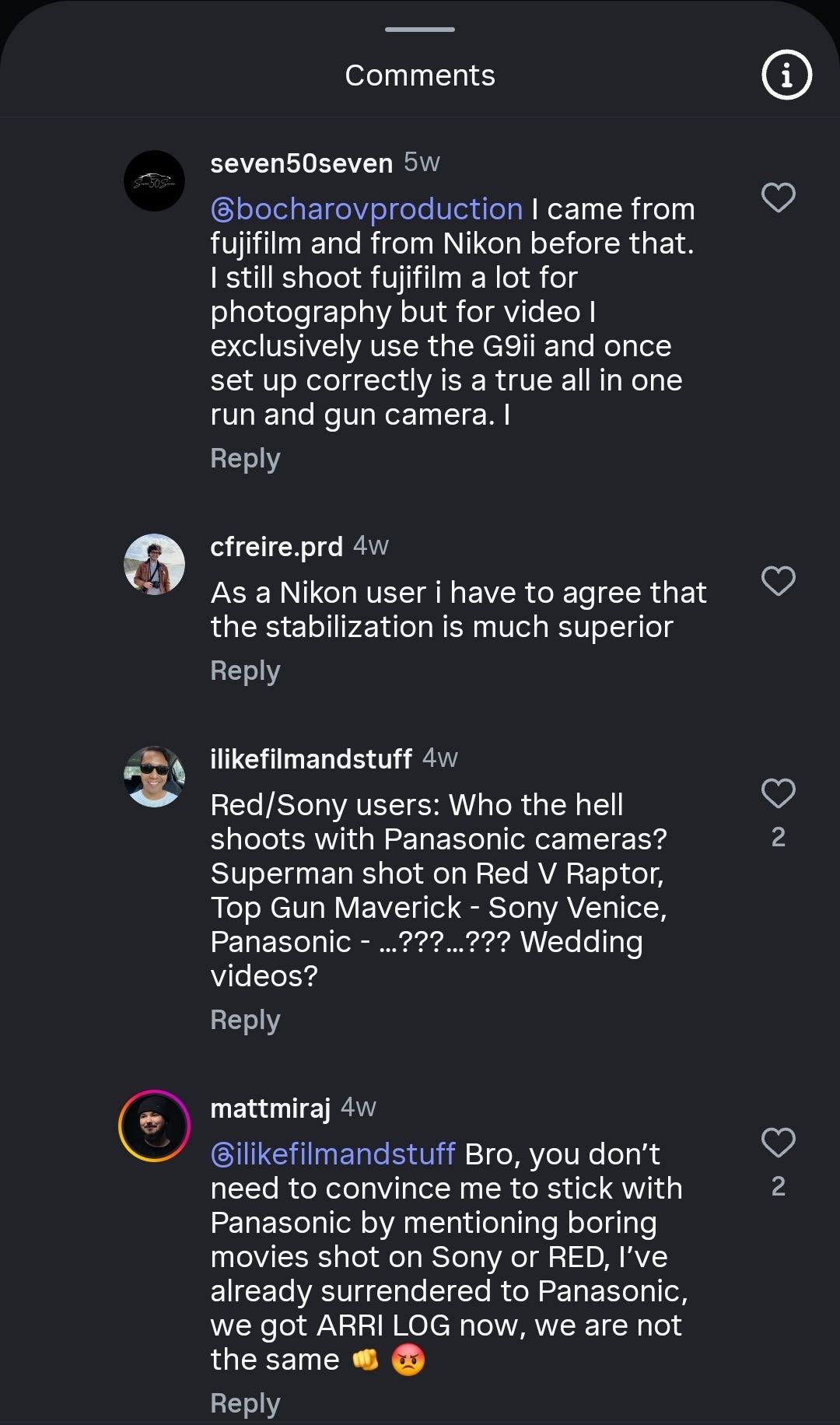
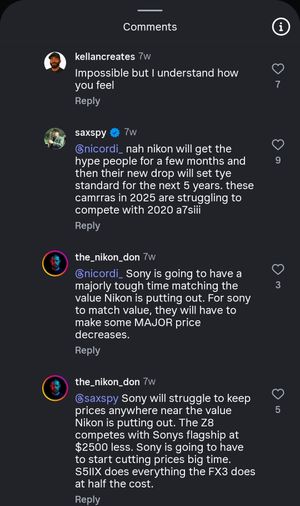

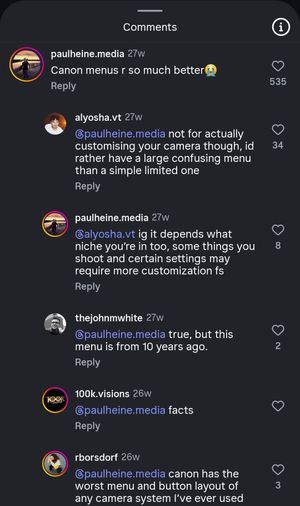

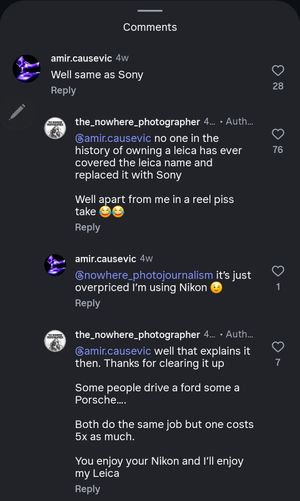
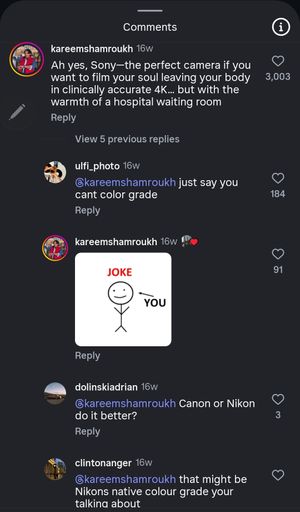
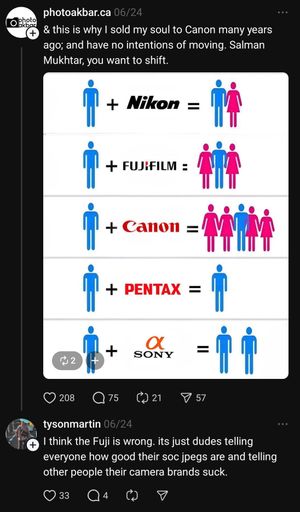
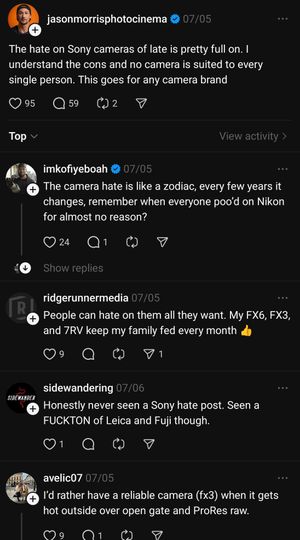
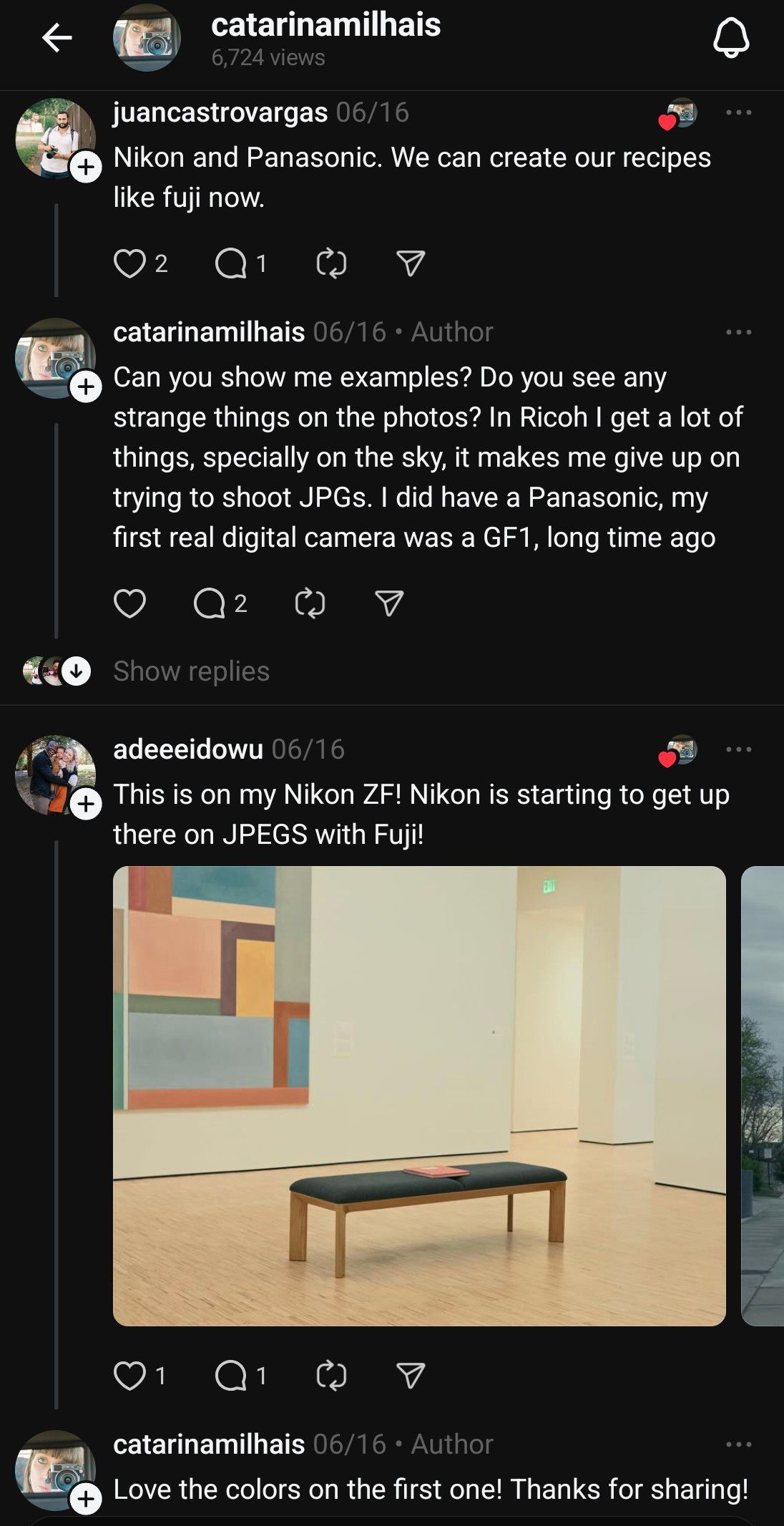
The issue extends beyond personal preference. What begins as a technical comparison often becomes a conversation about belonging. Debates over autofocus precision, lens sharpness, or color rendition frequently turn into contests about credibility. Once identity becomes attached to a brand, the exchange stops being about photography and turns into validation.
A 2021 study in Sustainability examined how online brand communities create emotional loyalty that can rival personal relationships, noting that users often defend a brand even when no clear advantage exists (Martínez-López et al., 2021). This helps explain why camera discussions remain so polarized. The attachment is psychological rather than practical, reinforcing a cycle of rivalry that overshadows creative progress.
These reactions show that much of the conflict stems from perception rather than performance. When the emotional bond outweighs real differences in function, discussion stops serving improvement. The pattern repeats until the conversation loses substance altogether and leaves little room for honest learning.
Credit to cameradecision.com
Part 5 | Why the Debate Is Pointless
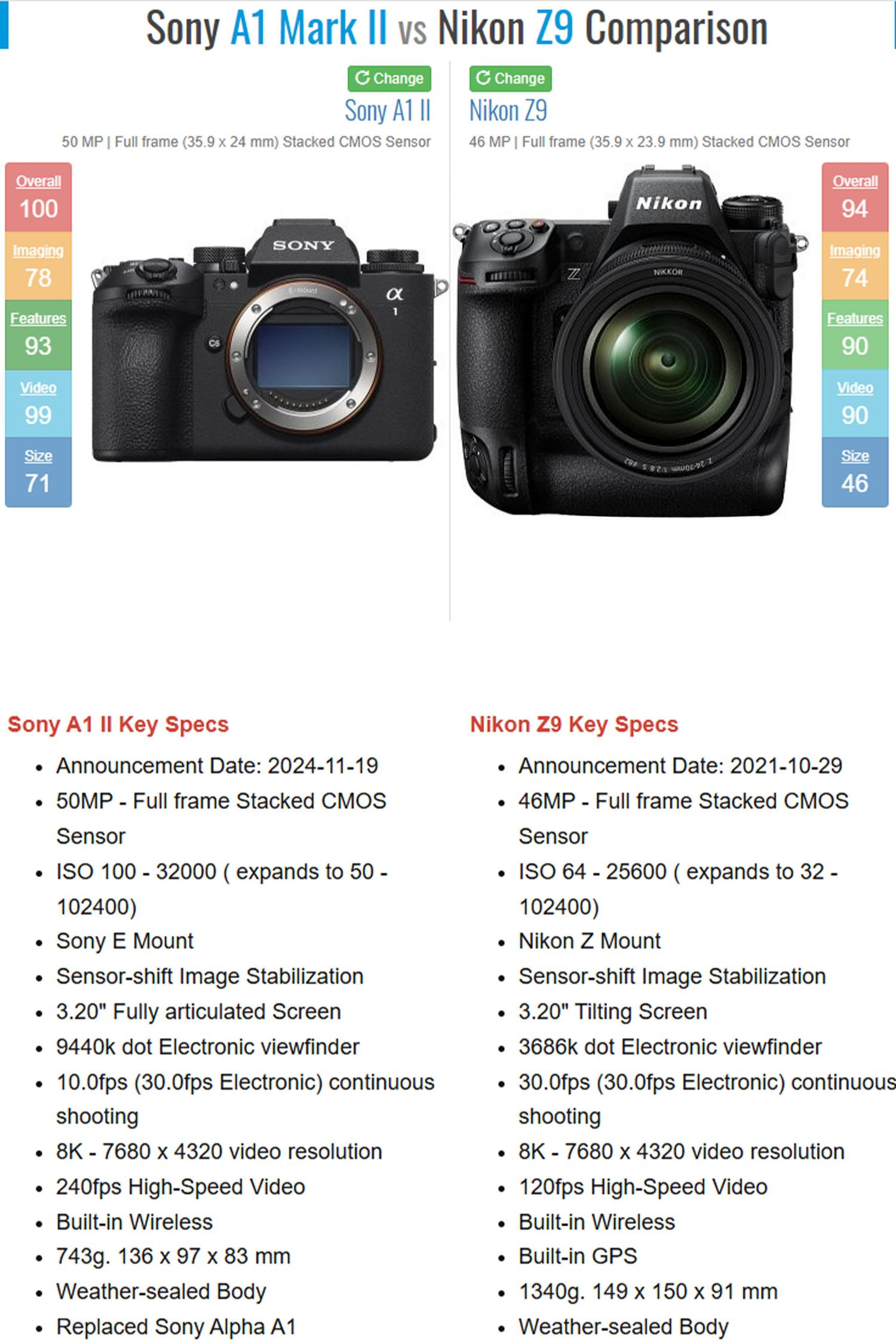
Brand wars consume creative energy that could be used to improve technique. Competition between companies has produced cameras with nearly identical technical standards, which makes most comparisons trivial. Sensor performance, dynamic range, and color profiles show minimal variation within similar price ranges.
Technical parity has pushed the argument into emotion instead of evidence. Social media debates often spiral into personal attacks or sarcasm rather than productive critique. Users on Threads and Instagram frequently post side-by-side images from different systems, insisting that one looks more “professional” or “cinematic.” These interactions reveal how brand identity now functions as a social badge instead of a creative tool.
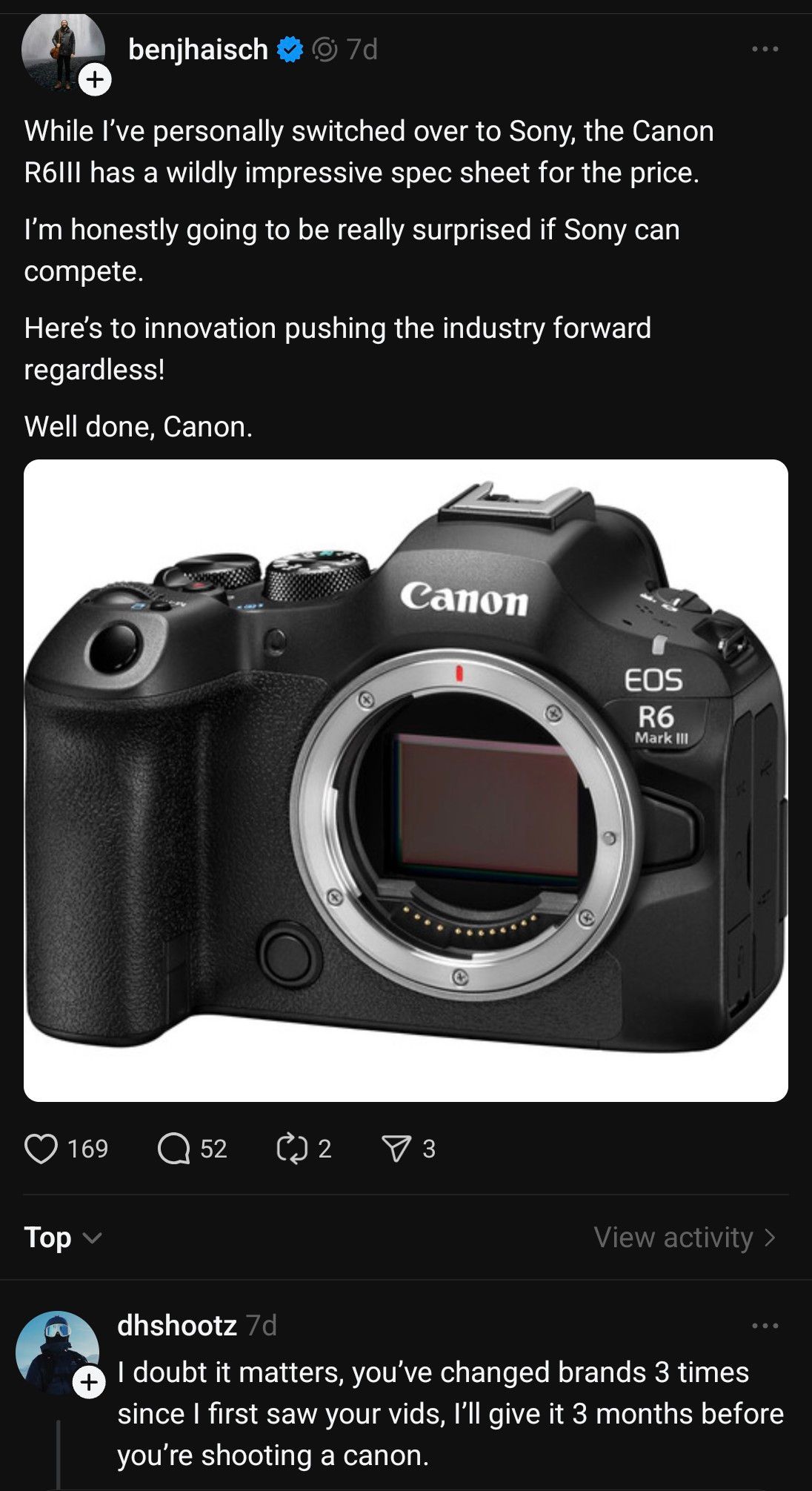
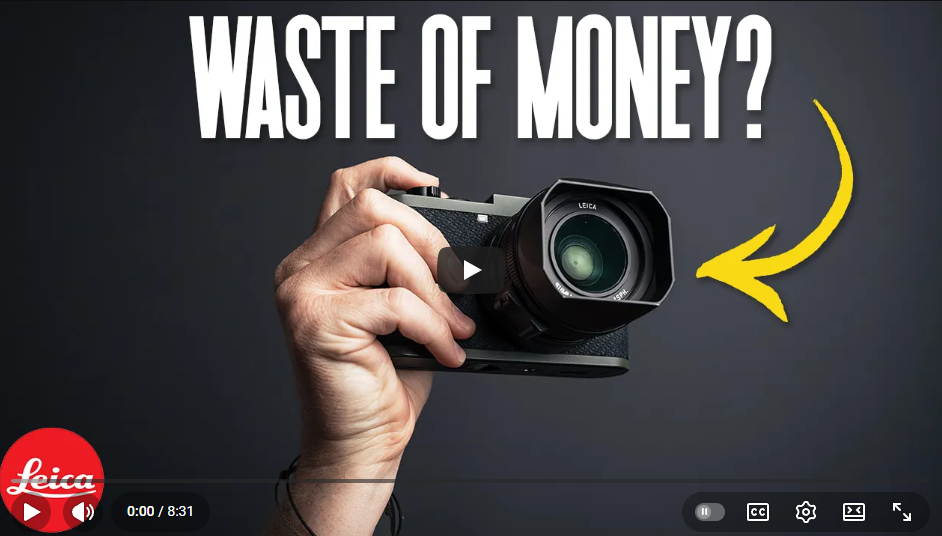
Why Is Everyone Buying a Leica? by Kyle Meshna (YouTube)
A 2024 Digital Camera World article illustrated this through the story of a Leica photographer who discovered that loyalty had limited his opportunities (Oakley, 2024). After switching to another system, his work improved because the new camera matched his workflow better, not because the brand was inherently superior. That story reflects a broader truth: progress in photography comes from adapting, not defending. Popular Leica-focused content online shows similar patterns, where conversations drift away from actual images and toward questions of status and commitment.
Part 6 | What Really Matters: Skill and Vision
Photography remains human even with automation, AI noise reduction, and computational exposure. Machines may handle technical tasks, but the essence of the craft depends on composition, timing, and awareness of light. Focusing on the final image makes it clear that the creative process comes from seeing and decision making, not from menu layout or mount design.
A 2021 study in Frontiers in Psychology examined why people take, share, and value photographs. It found that technology functions as a facilitator rather than the driver of creative significance (Kislinger, 2021). In other words, the photographer’s vision, purpose, and interpretation give meaning to a picture long after most devices have become capable of similar technical results.
A 2022 article in Philosophies explains how artistic habit shapes creative decisions, including the choices photographers make when they frame a scene. Portera shows that selecting tone, viewpoint, and subject is an intentional act guided by thought rather than routine (Portera, 2022). This reinforces the idea that the photographer, not the tool, defines the image. Even when two cameras record the same information, the direction of the frame comes from the person shaping the shot.
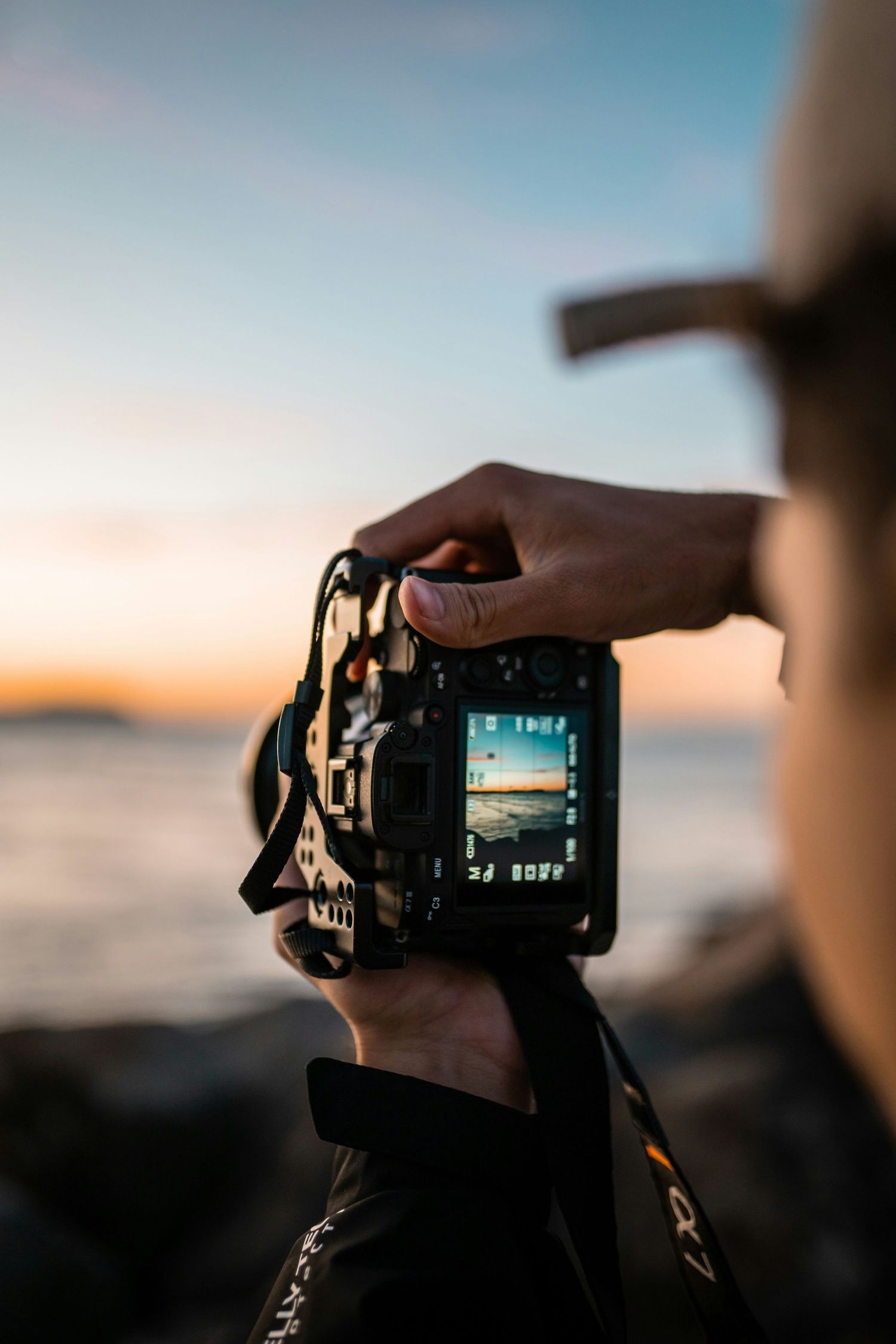
Photo by BAILEY MAHON on Unsplash
Equipment matters only when it restricts creative goals. If a camera hinders workflow, responsiveness, or intent, it becomes an obstacle. When the tools instead support expression, the debate over brand loses force. Results come from practice, repetition, and intent, qualities that depend on dedication, not branding.
Part 7 | The Real Cost of Loyalty
When photographers grow in skill, their relationship with gear often changes. Early loyalty to a brand can provide a sense of direction and stability, especially while learning the basics of exposure, composition, and technique. Familiarity with a system can simplify the creative process and reduce distractions. With experience, however, comes the awareness that growth sometimes requires change.
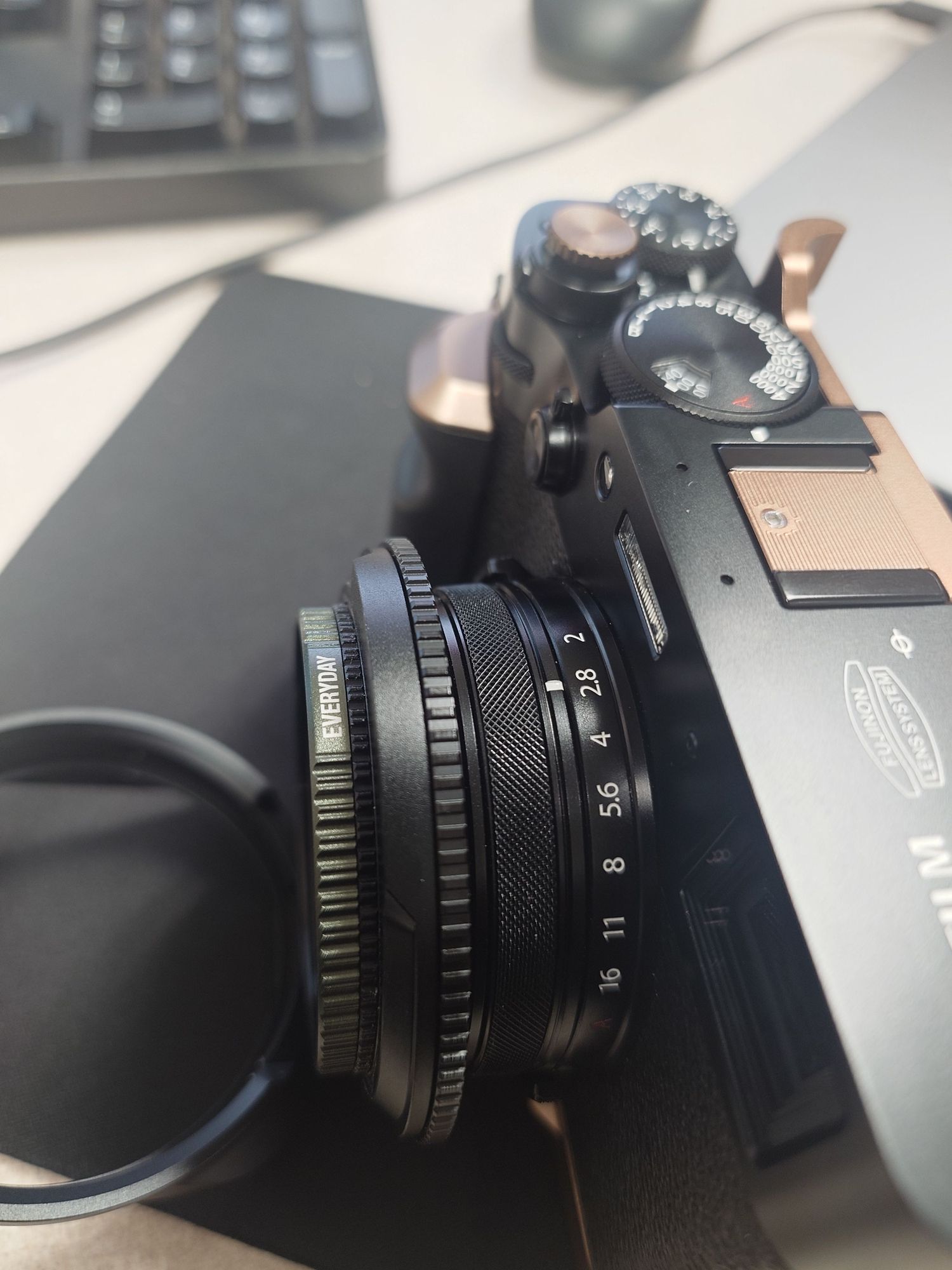
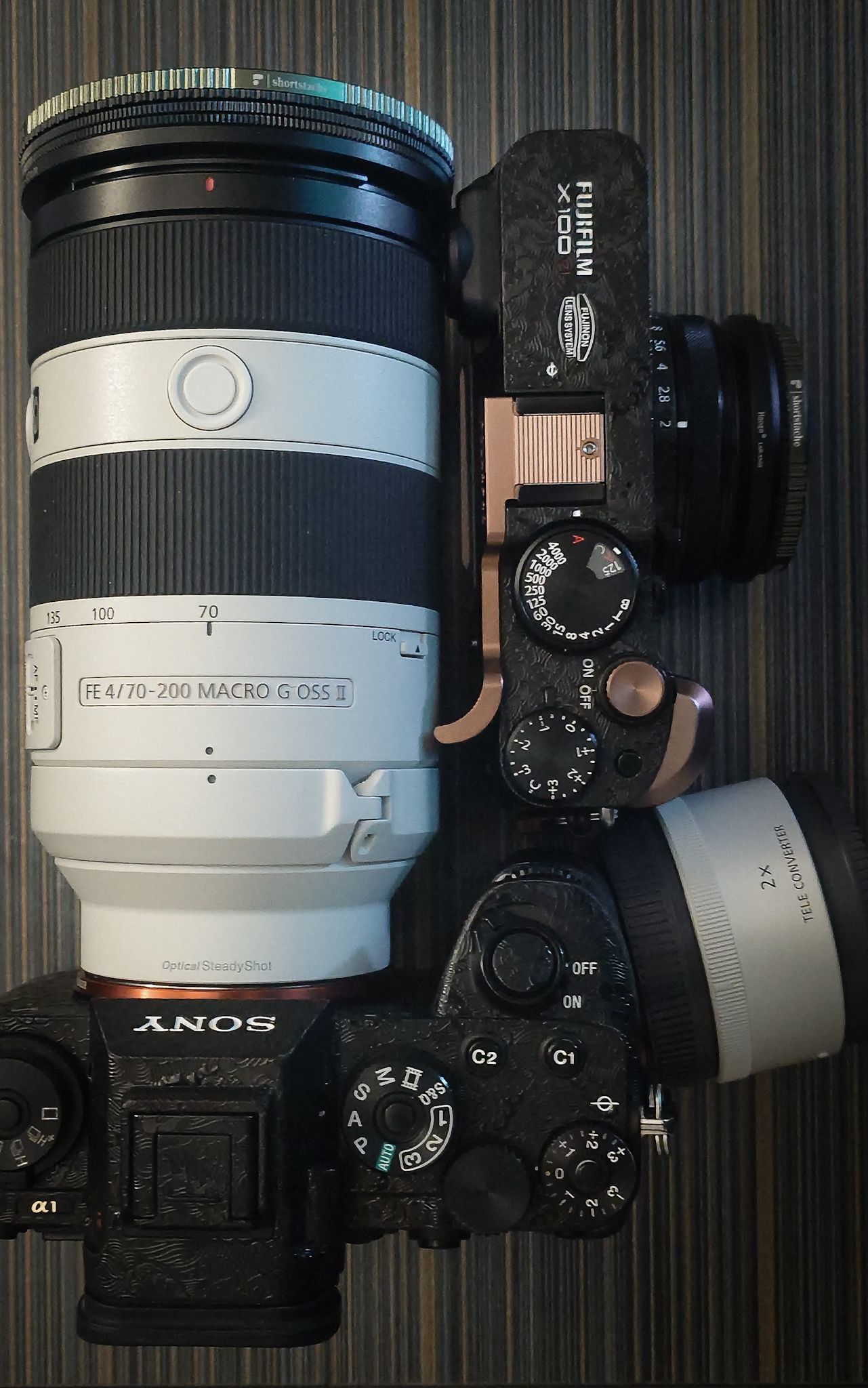
Tools that once felt indispensable can start to feel restrictive, especially when new technologies or workflows offer better solutions. Recognizing that shift takes honesty, self-assessment, and a willingness to change. I experienced this firsthand after purchasing my Fujifilm X100VI while still relying mainly on Sony cameras. That camera drew me in with its film simulations and nostalgic color palette, encouraging a slower, more deliberate style of shooting. Yet even as I experimented with those simulations, I realized that my underlying habits were the same. I was still framing, exposing, and composing through the process I had developed on my Sony bodies. The new camera offered a different aesthetic, but it did not replace the skills I had already built.
Research shows that creative habits can become limiting when they turn into automatic routines. A 2021 study found that when people rely too heavily on familiar tools, they become more likely to repeat the same solutions and less willing to try new ones, even when better options exist (de Aldecoa et al., 2021). Many photographers experience this when brand loyalty feels easier than exploring other systems. The more comfortable they become with one brand, the harder it is to consider alternatives that might improve their work. Staying open to new gear keeps the focus on growth instead of comfort and helps ensure that creative decisions come from genuine needs rather than marketing influence.
In photography this means that strong identification with a single system or brand may inhibit experimentation even when alternative tools could lead to better results. Attachment to one ecosystem may cause users to overlook equipment that better suits their style or workflow, incur unnecessary upgrade costs within the same ecosystem while ignoring more effective alternatives, and drift into routine rather than adaptability. Over time that bias can shift community conversation from improvement to defense of heritage. Recognizing these costs clarifies that what matters is not the brand label but the ecosystem, compatibility, and the contexts in which the equipment truly supports the photographer’s work.
Part 8 | Understanding Ecosystems and the Real Value of Brand Choice
Choosing a camera system involves more than picking a brand. It means committing to an entire ecosystem of lenses, accessories, and workflow tools. Each manufacturer builds an environment that influences how photographers shoot, edit, and store their work. Compatibility with editing software, tethering stability, and color accuracy across devices can affect productivity far more than a logo. Understanding this broader structure helps photographers make decisions based on long-term practicality instead of loyalty or appearance.
Camera ecosystems matter because they shape how people stay loyal or consider switching. A 2012 study on consumers with experience shopping for digital cameras found that customer loyalty, brand equity, and perceived risk each had significant positive relationships with involvement in a brand, and that loyalty encouraged repeat purchases of the same products instead of competing alternatives (Hu, 2012). For photographers, this means that once trust, comfort, and familiarity develop around a particular system, they are more likely to remain inside that ecosystem and less likely to test other brands, even when those alternatives might better match their needs. As mounts, lenses, menus, and software accumulate around one brand, the system begins to feel safer than starting over, so the choice of ecosystem reflects habit and perceived risk as much as any measurable difference in image quality.
There are cases where staying within one ecosystem makes sense. Professional environments, collaborative projects, and long-term service contracts often rely on uniformity for efficiency and support. The goal is not to reject brand identity entirely but to understand its limits. Choosing tools should come from evaluating how well a system supports personal or professional needs rather than its marketing appeal. When photographers focus on ecosystems instead of names, brand arguments lose intensity, replaced by a practical understanding of what truly sustains their work. Yet even with this awareness, many still find themselves pulled back into cycles of comparison and dependency, which raises the question of how to step outside the pattern and escape the brand trap.
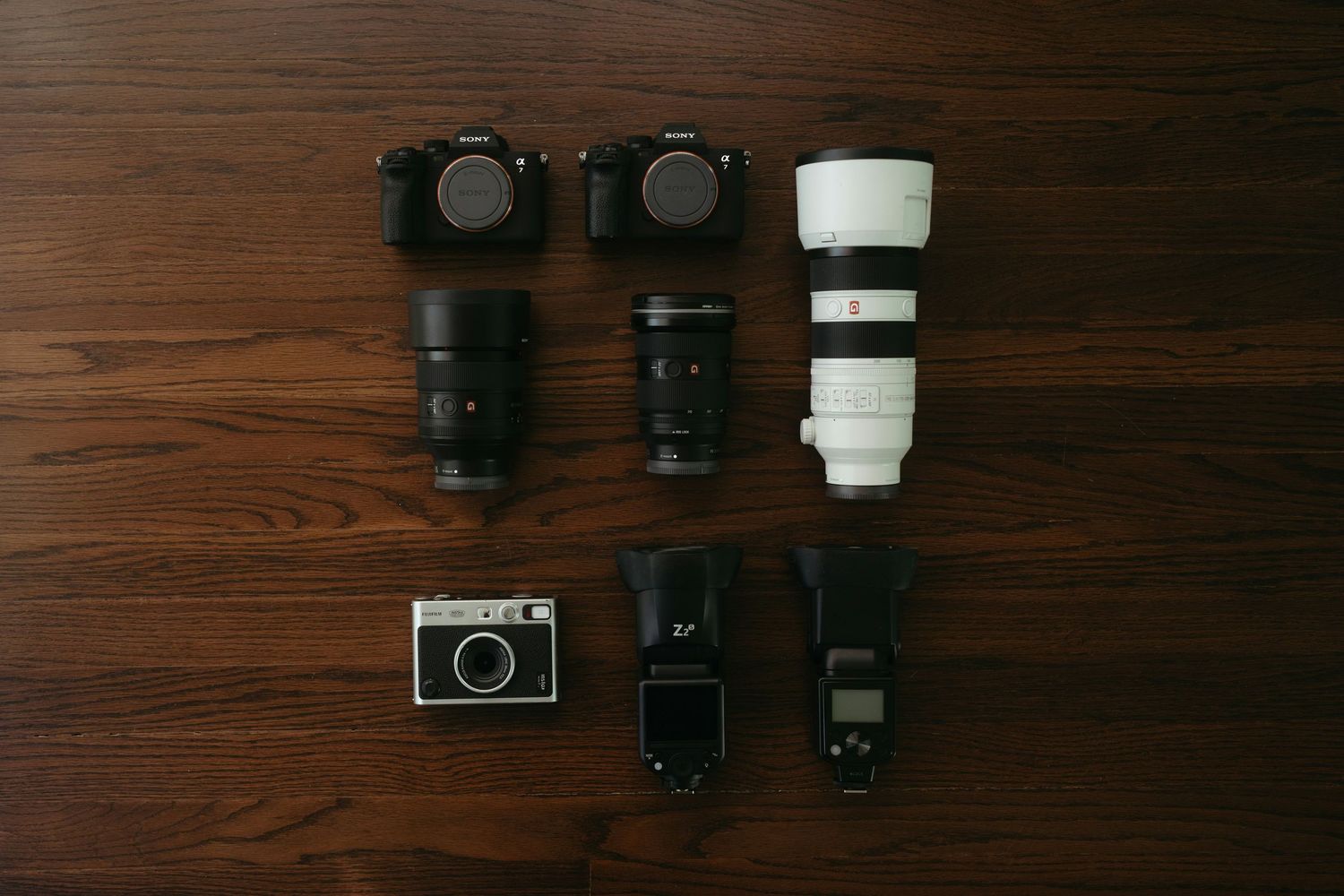
Photo by Micah & Sammie Chaffin on Unsplash
Part 9 | Escaping the Brand Trap
Gear tribalism develops when personal identity or social influence replaces practicality in choosing equipment. Instead of asking what a tool allows them to accomplish, photographers often purchase gear based on brand familiarity or community trends. Escaping that cycle requires a shift toward clear, honest evaluation. Selecting cameras and lenses that genuinely enhance workflow and results helps remove bias from decision making. Borrowing or renting before investing allows choices to come from real experience rather than marketing influence. The goal is to identify actual creative limitations and upgrade only when those limits affect performance, not simply because a new model appears.
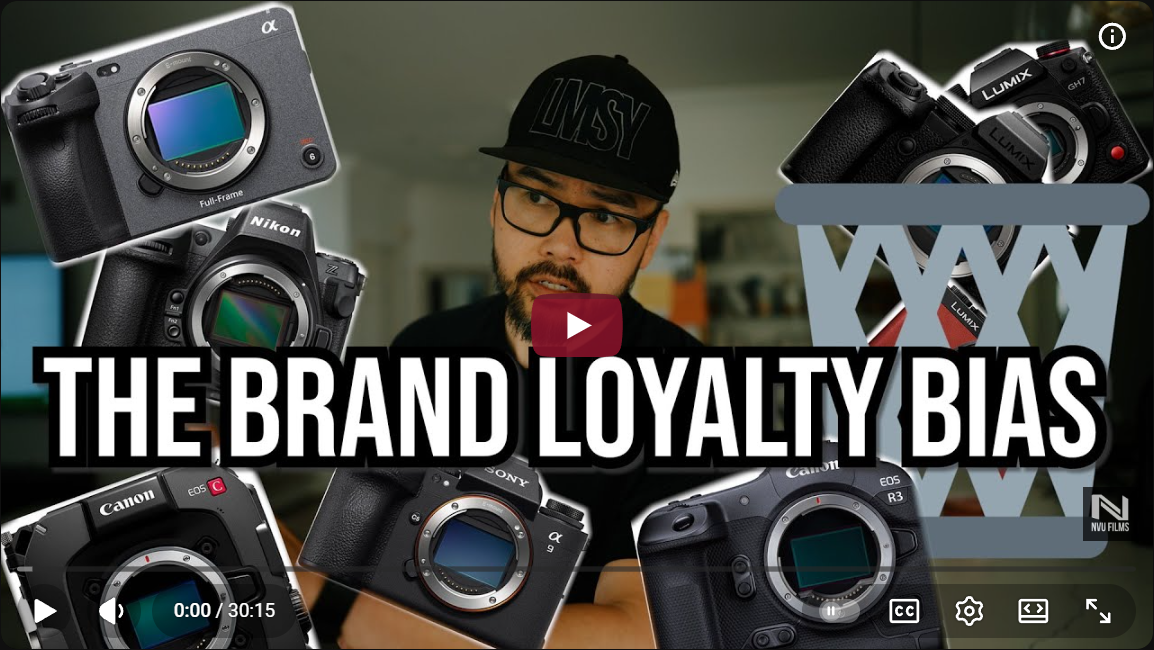
Bias in reviews often strengthens this behavior. Some online reviews, especially on YouTube, can be shaped by sponsorships, affiliate links, or long term relationships with manufacturers. Sponsored reviewers may unintentionally highlight advantages while overlooking drawbacks, which creates a misleading impression of superiority. Several photography channels have discussed how brand sponsorships can affect tone and emphasis, and other videos directly challenge biased gear coverage and encourage viewers to question the motivation behind recommendations. Pay close attention when a reviewer says their video or article is sponsored by the company that makes the product or that the product was borrowed from the company and will be shipped back. That is often a sign that the review may highlight the positives while downplaying or skipping important drawbacks. Understanding these influences helps photographers focus on results rather than rhetoric and make purchasing decisions that serve creativity instead of corporate marketing.
"Brand Loyalty Bias in Camera Gear Reviews..." by Vu Nguyen (YouTube)
Part 10 | Conclusion
Brand disputes often reveal more about personal insecurity than about technology. Every modern camera is capable of producing work suitable for exhibition, and the technical gap between systems is now smaller than it has ever been. What separates photographers is not their gear but the patience, discipline, and curiosity they bring to learning. A mindset centered on skill instead of brand loyalty opens the door to collaboration and shared growth.
When creators focus on their craft instead of competition, the photography community becomes more inclusive and driven by artistic value rather than marketing trends. Cameras will continue to change, but the ability to observe, interpret, and communicate through imagery is what gives the medium its depth. The next time you feel pulled into a brand debate, ask whether the energy spent defending a name could be better used creating something worth defending.
Antonio Hayes
lyons pride
Photo by Robin McSkelly on Unsplash
Reminder Disclaimer
As you reach the end of this blog, please remember that everything written here is shared with respect and in good faith. The points I have raised come from my own experience and observations of brand debates in the photography world, but they can easily apply to other creative tools and communities as well.
Nothing here should be taken as a personal attack, a set of rules, or an absolute truth about how anyone must practice photography. These reflections are meant to encourage self-awareness, invite clearer thinking about gear choices, and support long-term creative growth. If any section felt uncomfortable, consider using that feeling as a moment for self-reflection rather than offense, especially where brand loyalty and identity may overlap.
You are free to take what resonates and leave what does not. Different viewpoints only strengthen the photography community, and disagreement is part of that process. I am not responsible for how these words are interpreted outside their intended context, which is to encourage reflection, conversation, and healthier relationships with both cameras and creativity.
Citations:
- Benner, Michael J. “The Influence of Prior Industry Affiliation on Framing in the Consumer Digital-Camera Market.” Harvard Business School Working Paper, no. 11-007, Feb. 2011, https://www.hbs.edu/ris/Publication%20Files/11-007.pdf
- Huangfu, Zhounan, Yaohui Ruan, Jing Zhao, Qiaqia Wang, and Lei Zhou. “Accessing the Influence of Community Experience on Brand Loyalty Toward Virtual Brand Community: Developing Country Perspective.” Frontiers in Psychology, vol. 13, 2022, article 865646, https://www.frontiersin.org/articles/10.3389/fpsyg.2022.865646/full
- “How Nikon Marketing Builds a Loyal Community of Photographers.” Ptengine Blog, Ptengine, 18 Mar. 2021, https://www.ptengine.com/blog/business-strategy/how-nikon-marketing-builds-a-loyal-community-of-photographers/
- Butler, R. “Marketing Isn’t a Dirty Word (But Camera Companies Are Not Your Friends).” DPReview, 16 Aug. 2017, https://www.dpreview.com/opinion/6810156214/marketing-isn-t-a-dirty-word-but-camera-companies-are-not-your-friends.
- Newsshooter. “Sony Introduces the 61-Megapixel Full-Frame RX1R III with a Hefty Price Tag.” Newsshooter, 15 July 2025, https://www.newsshooter.com/2025/07/15/sony-introduces-the-61-megapixel-full-frame-rx1r-iii-with-a-hefty-price-tag/.
- Martínez-López, Francisco J., Rocío Aguilar-Illescas, Sebastián Molinillo, Rafael Anaya-Sánchez, J. Andres Coca-Stefaniak, and Irene Esteban-Millat. “The Role of Online Brand Community Engagement on the Consumer–Brand Relationship.” Sustainability, vol. 13, no. 7, 2021, article 3679. https://doi.org/10.3390/su13073679.
- Oakley, Sebastian. “Is Brand Loyalty Holding You Back from Your Dream Camera?” Digital Camera World, Future plc, 29 Sep. 2024, https://www.digitalcameraworld.com/features/leica-shooter-canon-loyal-is-brand-loyalty-holding-you-back-from-your-dream-camera.
- Portera, Mariagrazia. “Aesthetics as a Habit, Between Constraints and Freedom, Nudges and Creativity.” Philosophies, vol. 7, no. 2, 2022, article 24. https://www.mdpi.com/2409-9287/7/2/24
- Kislinger, Florian. “The Meaning of Photography: A Psychological Perspective.” Frontiers in Psychology, vol. 12, 2021, article 654474. https://www.frontiersin.org/articles/10.3389/fpsyg.2021.654474/full.
- de Aldecoa, P. I., et al. “Can Habits Impede Creativity by Inducing Fixation?” Frontiers in Psychology, vol. 12, 2021, article 683172. https://www.ncbi.nlm.nih.gov/pmc/articles/PMC8548374/
- Hu, Yu-Jia. “Explore Significant Factors to Affect Customer Involvement.” Journal of Social Sciences, vol. 8, no. 4, 2012, pp. 485–489. https://thescipub.com/pdf/jssp.2012.485.489.pdf