Disclaimer
Preface
This blog is not intended to call out or judge individuals who may have used or are using these strategies. Instead, it aims to raise awareness of the broader implications of automation-driven tactics, like follow-unfollow, and how they affect the Instagram photography community. My intention is to shed light on some practices that might make you see your followers and the people you follow in a new way.
You are free to take what resonates and leave what does not. Different viewpoints only strengthen the photography community, and disagreement is part of that process. I am not responsible for how these words are interpreted outside their intended context, which is to encourage reflection, conversation, and healthier relationships with both cameras and creativity.
Jumping Right In...
The follow-unfollow method has become a frustratingly familiar pattern on Instagram. This tactic, often fueled by automated tools, has gained traction as a quick way to inflate follower counts. But what impact does it have on creative communities, especially in photography?
As a photographer, I’ve noticed an unsettling trend. One day, I gain a handful of followers who seem genuinely interested in my work, often leaving comments like, "Amazing shot!" or "Incredible work!" It feels encouraging—until they unfollow days or weeks later. This fleeting engagement isn’t just frustrating; it’s disheartening. It turns what should be an uplifting creative space into a numbers game, leaving me questioning which connections are genuine and which are simply tactics for personal gain.
Section 1: What Is Follow-Unfollow?
What is the definition of Follow-Unfollow? Follow-unfollow is a tactic where users follow many accounts hoping for followbacks. Once they get the follow, they unfollow those accounts to maintain a low following count while keeping their follower count high. Unfortunately, many services offer automated tools to make this process effortless, perpetuating the problem.
Ascend Viral
Inflact
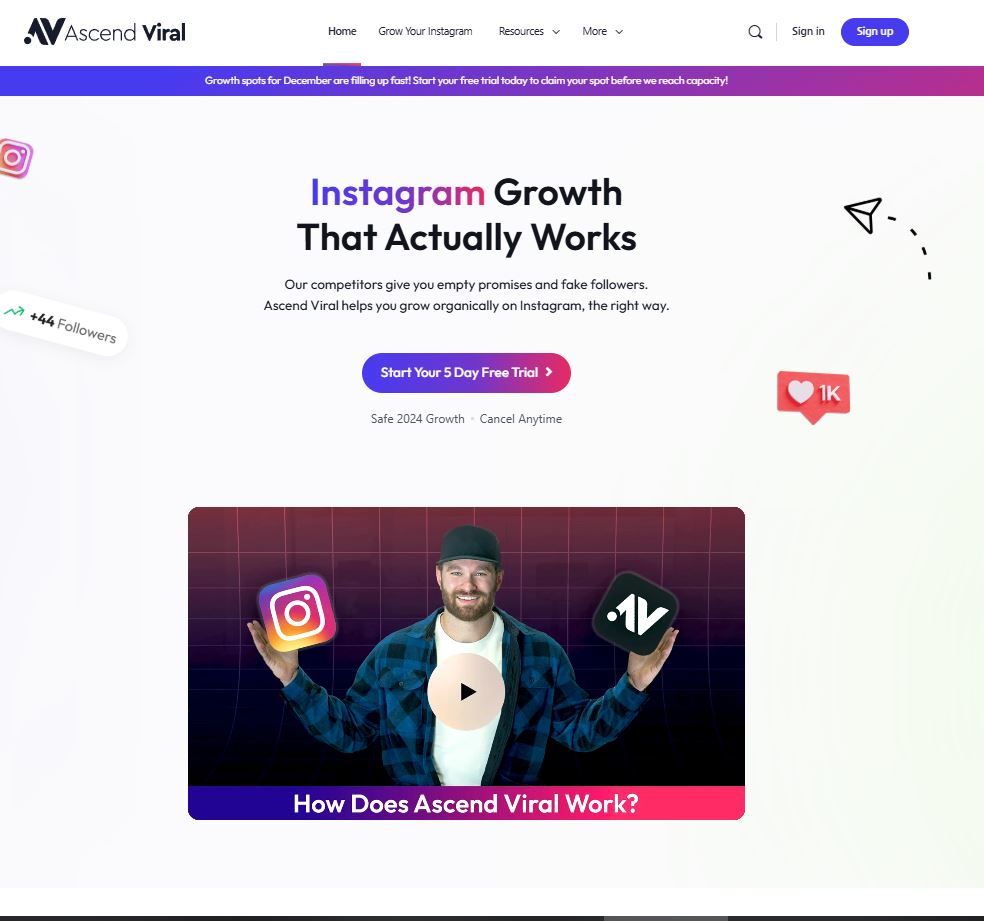
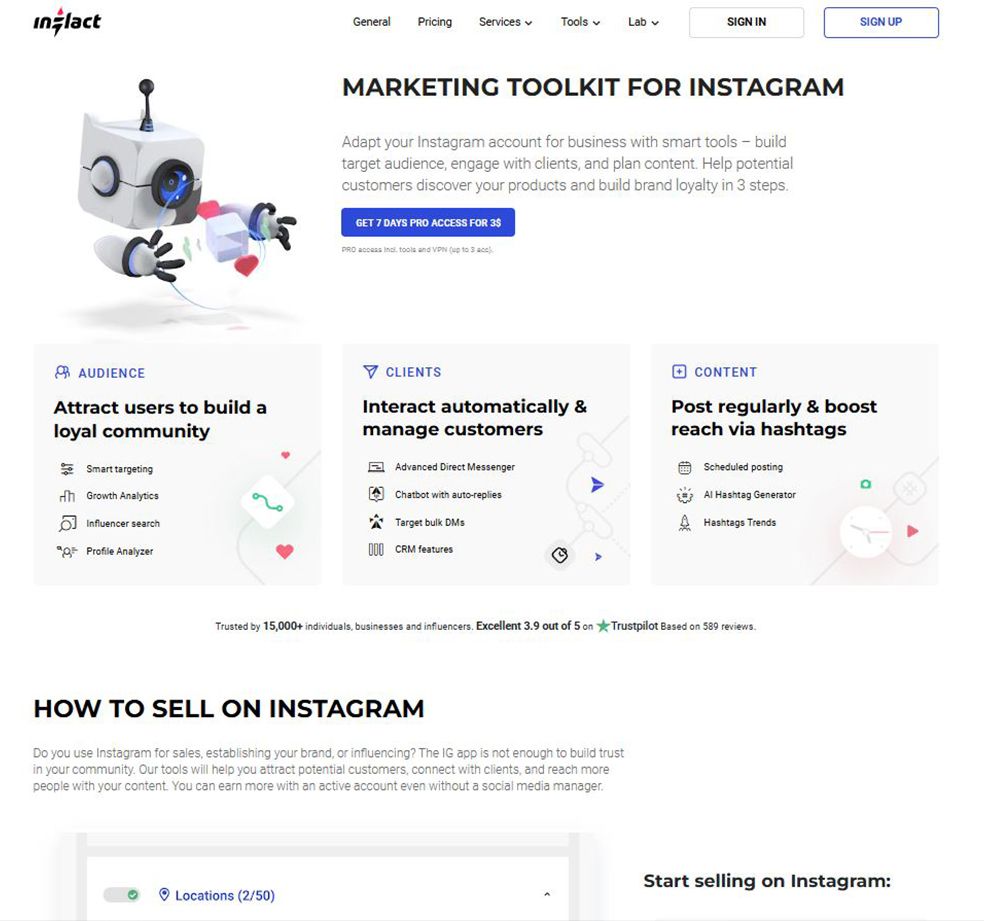
Websites like Ascend Viral and Inflact provide tools for automating likes, comments, and follows, promising quick growth. While these services claim to "boost engagement," they raise ethical concerns by promoting inauthentic interactions. Even more troubling, some of these services are advertised directly on Instagram, despite violating the platform’s Terms of Service. For example, Instagram's API policies prohibit automation, yet some tools bypass these restrictions using creative loopholes.
path social
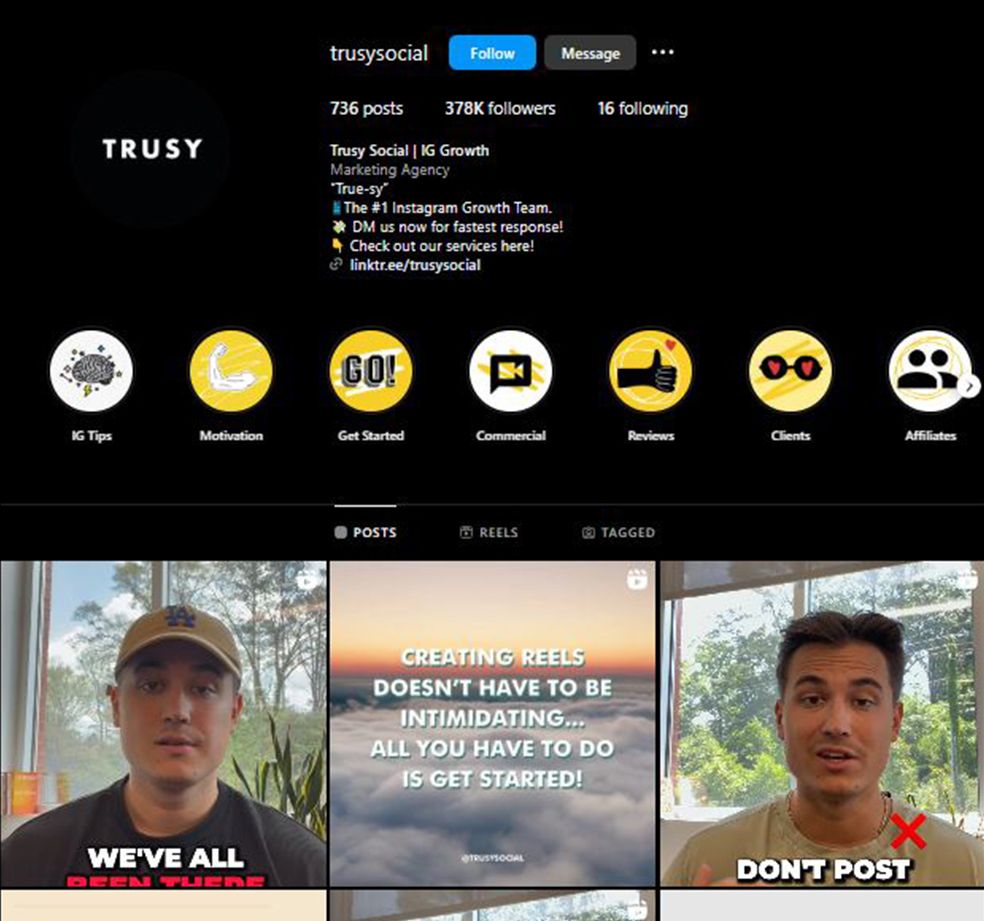
Trusy Social
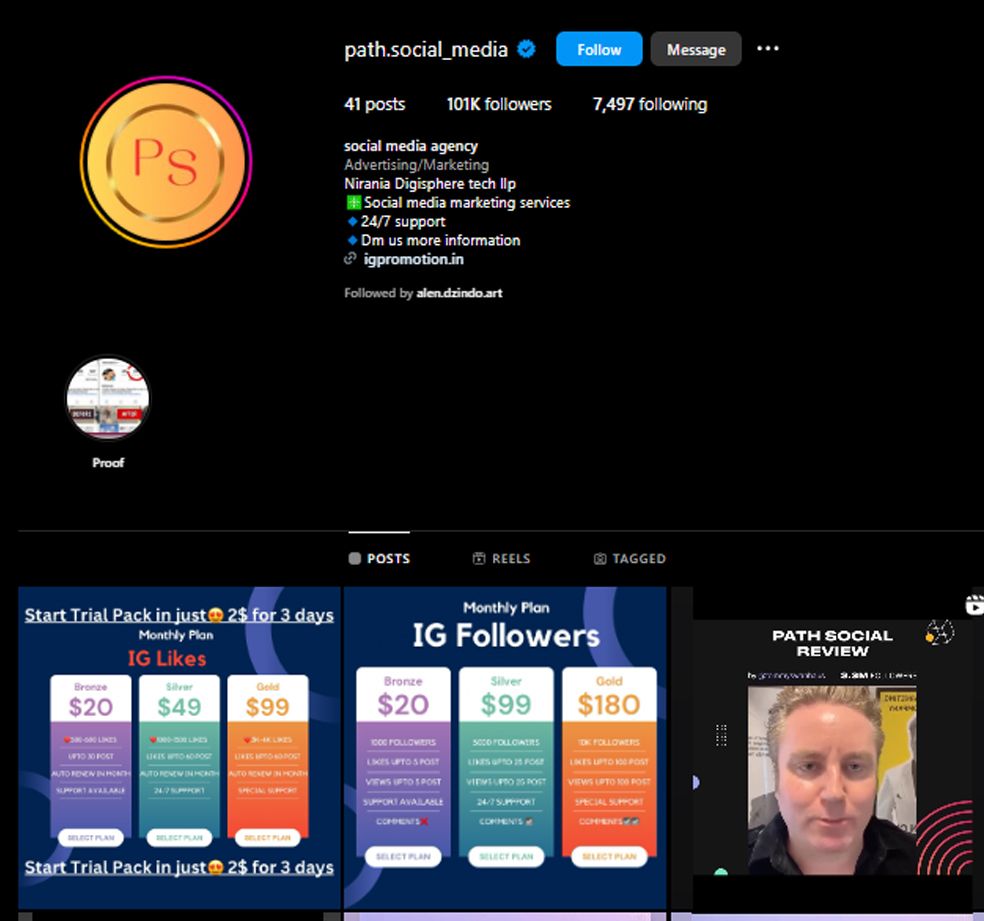
The Role of Automation enables users to follow and unfollow thousands of accounts rapidly. Some services, like PathSocial and TrusySocial, avoid bots but use your Instagram handle to attract engagement from automated systems. The accounts often have random names ending in numbers, following thousands of users but boasting very few followers themselves. You’ve probably seen these accounts. They are everywhere.
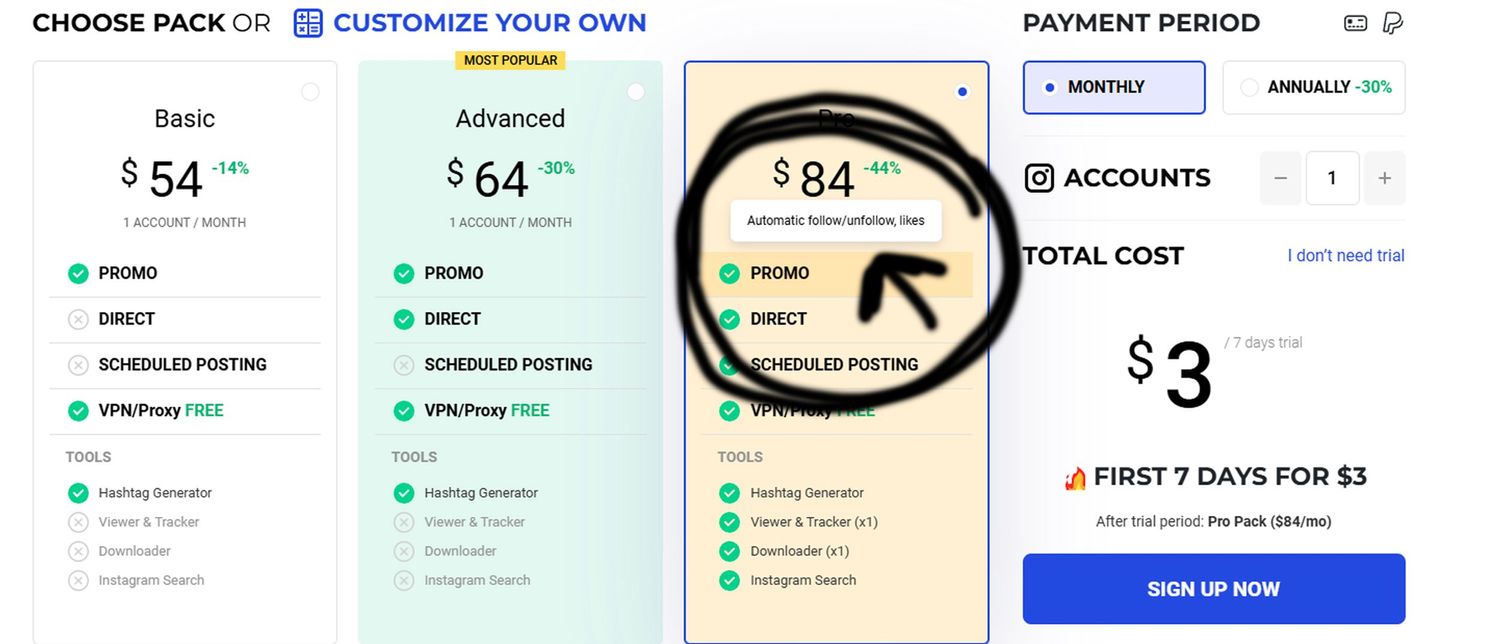
"Automatic follow/unfollow, likes"
-inflact
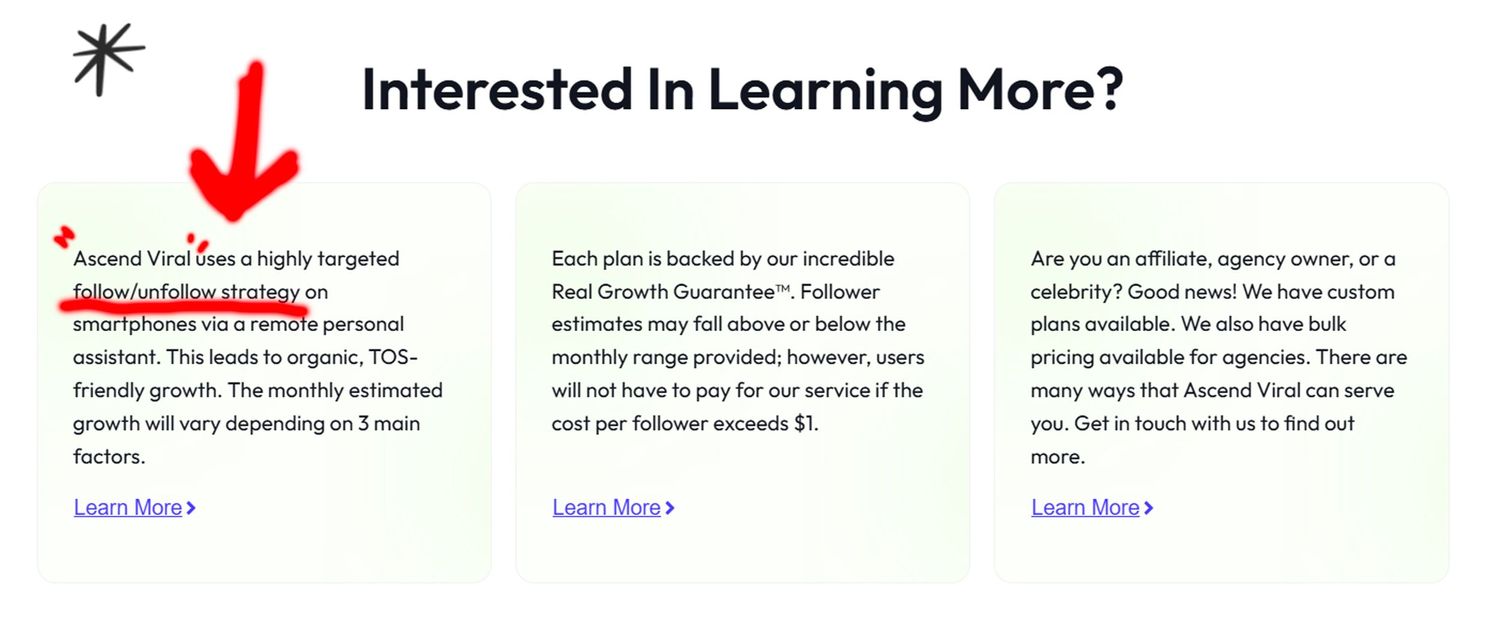
"Highly targetted follow/unfollow Strategy"
-Ascend Viral
In Instagram’s API Terms, Instagram bots violate these parts:
- Don’t store or cache Instagram login credentials.
- Don’t use the Instagram API to simply display User Content, import or backup content, or manage Instagram relationships, without our prior permission.
- Ensure your comments are uniquely tailored for each person. Don’t post unauthorized commercial communication or spam on Instagram.
- Don’t enable a business to take more than one action on Instagram at a time.
- Add something unique to the community. Don’t use the Instagram APIs to replicate or attempt to replace the functionality or essential user experiences of Instagram.com or any of Instagram’s apps.
Section 2: Why This Is Unethical?
The Ethical Concerns
The way I look at it, the use of this trend on social media raises significant ethical concerns, particularly when it comes to manipulating engagement and relationships. By relying on bots to follow, like, and comment on content, users are essentially distorting the authenticity of their interactions and in a sense, showing that they themselves, don’t believe in the importance of their own content. This also undermines the trust that people place in these platforms and the content they see, exploiting users' expectations of genuine connections and engagement. in the example below, this also creates an environment where genuine users feel the need to remind others, "Don't follow just to unfollow."
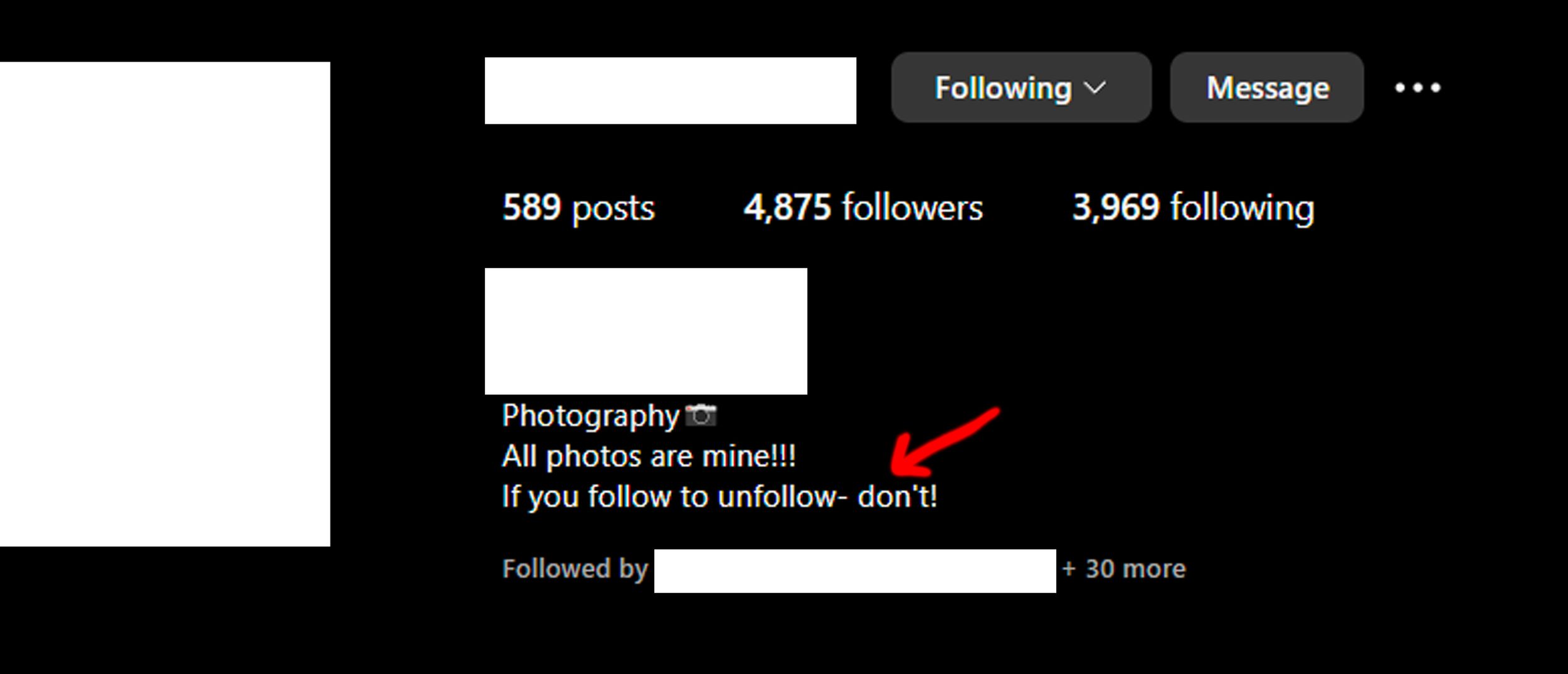
Relating to the Photography Community
In regards to the photography community, the damage is even more pronounced. For photographers, social media isn't just a platform for sharing work; it's a space for building relationships, learning, and collaborating. Automation reduces the value of a follow or a like, turning it into just another number, when each interaction should be an acknowledgment of one's creative work. This undermines the camaraderie and sense of community that we work so hard to cultivate, replacing real connections with empty metrics. Not only that, but it really hurts the accounts they do it to. Those who use these tools rarely ever engage with anything you post and generally wont once they unfollow you. For example, here's one from my page:
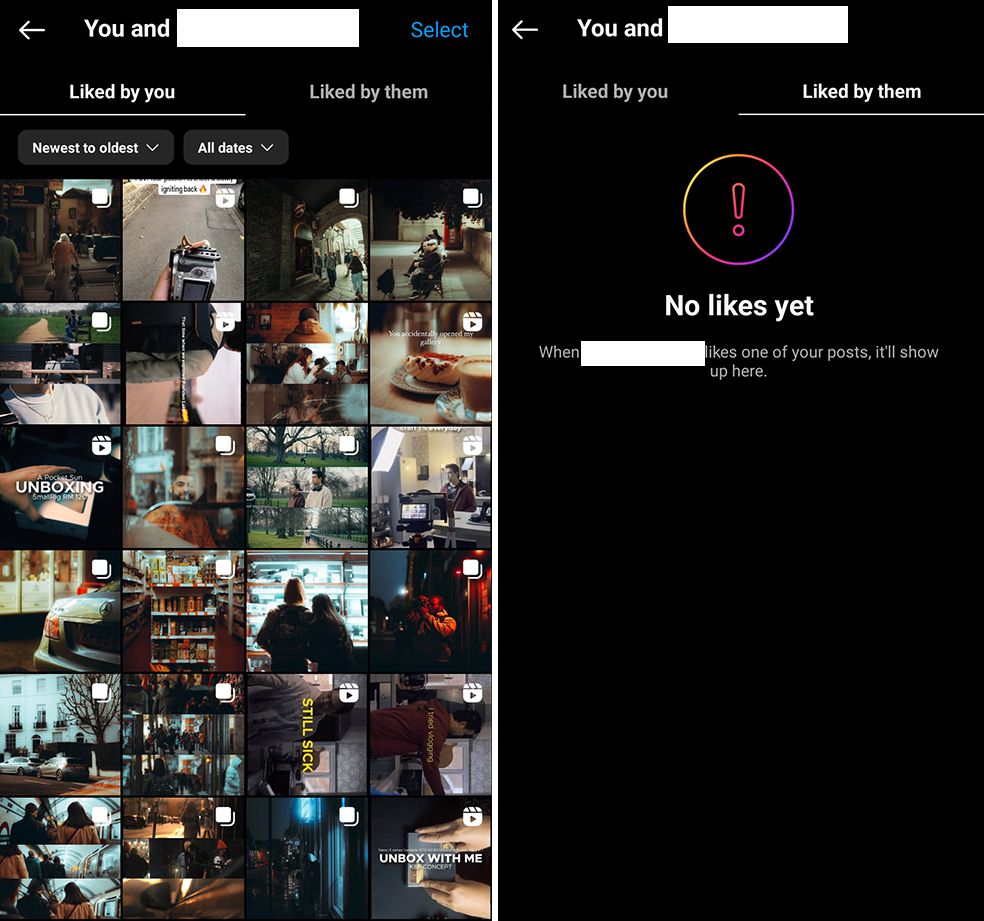
Social media success for photographers often relies on mutual engagement—helping others grow can lead to reciprocal support that expands one’s reach. If mutual support isn’t a common practice, photographers miss out on the potential to grow their audience and increase visibility through shared networks. Overall, the lack of mutual support, coupled together with these automation tools creates a less encouraging and connected space, making it harder for any creator to succeed and build meaningful relationships in their community. keep it in mind that there are few who do not use these tools. Surprisingly, there are those who actually look at the data and how every one of their followers perform, and remove those who are inactive or refuse to show mutual support. Now I know what you are thinking. Nobody is entitled to like your work. They are also not entitled to continue following you either. The same for the other way around. It is all on how you choose to handle the situation.
Section 3: What Can Be Done to Counteract This Trend?
Suggestions for Creatives
To counteract the negative effects of automation and the lack of mutual support, creators should prioritize authentic interactions. Engage with fellow photographers by leaving thoughtful comments, sharing their work, and offering constructive feedback. This is the main reason why I started submitting my work on other platforms and stopped taking Instagram seriously as a photography platform. Building real connections not only strengthens the community but also helps grow your own network in a meaningful way. I have met some fantastic people whom I love working with while also meeting people I absolutely refuse to work with. The point is, focus on quality interactions over quantity, and support others with the same enthusiasm you want for your own work.
Call Out Platforms (Constructively)
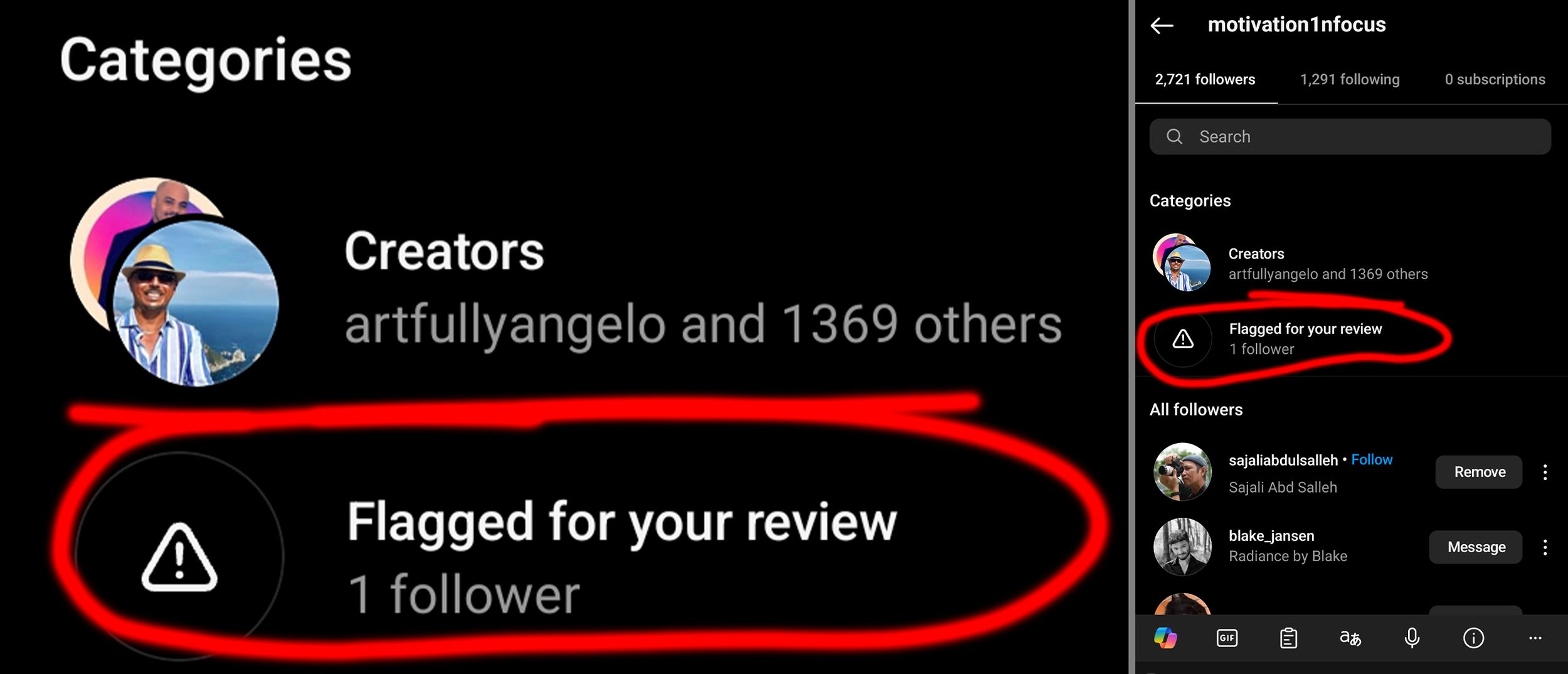
Instagram and other platforms must enforce their policies against automation and bots. While Instagram has added features to detect fake engagement like the image below, enforcement remains inconsistent. For example, when I reported TrusySocial for violating Instagram’s guidelines, Meta claimed it wasn’t against their policies. This is a contradiction I found troubling.
By promoting ethical growth strategies and providing tools to identify fake engagement, platforms can help creators focus on genuine interactions.