
Disclaimer:
The views expressed in this blog are based on personal experiences and observations from 10 years of photography and over 3 years operating in the photography community. The purpose of this article is to provide information and encourage critical thinking among other photographers and videographers, not to single out or disparage any specific individuals or organizations. While examples of common practices are discussed, they are meant for educational purposes only. Readers are encouraged to form their own conclusions and exercise due diligence when participating in events or working with organizers. No offense is intended toward any person, company, or group.
Chapter 1: Setting the Stage
The purpose of this blog is to take a closer look at the photography event industry through a lens that isn’t often discussed, exploring how some organizers can operate with cult-like characteristics. Over the years, photography events have become a central way for creatives to network, build portfolios, and gain exposure, but they can also foster environments where control, exclusivity, and pressure overshadow growth. My goal is not to condemn all event organizers but to analyze the patterns that mirror cult behavior. Examples include charismatic leadership, financial dependence, and the silencing of criticism. I am writing this blog so that photographers and videographers can make more informed decisions about where they invest their time and money. By drawing from both research and my own personal experiences as a photographer of over ten years, I want to provide insight into the subtle ways community can shift into control, and how to recognize the difference between healthy opportunities and manipulative ones.
I know firsthand how easy it is to get caught up in these events and the communities around them. For three years, I joined organizers who promised opportunities and support, and I believed their circle was essential to my growth as a photographer. The moment I stopped letting them take advantage of me, I quickly saw how fragile that support really was. I did this by questioning the value, setting boundaries, and refusing to play along with unfair practices like rights to photos and videos taken at the locations. About a month later, the same people who once stood by me seemed to stop engaging, stop liking, and slowly started unfollowing. Simply put, it seemed as if I were blacklisted, simply because I no longer served the system. That experience left me questioning not just the organizers, but the culture that allows this behavior to thrive.
My intention with this blog is not to demonize every event organizer or to suggest that all photography events are harmful. Many organizers work hard to create genuine opportunities for creatives, and those efforts deserve recognition. What I want to do is explain the patterns I’ve seen where things cross the line into manipulation and control. Whether through unrealistic promises, financial pressure, or the silencing of critical voices, by pointing out these risks, I hope to give photographers and videographers the awareness to protect themselves while still benefiting from the positive side of community-driven events. Let’s dive into those parts that many don’t know about or ignore.
Chapter 2: What is a Cult? – A Neutral Framework
The definition comes from scholars Bromley and Zablocki, who describe cults as “an ideological organization held together by charismatic relationships and demanding total commitment.” This highlights both the central role of leadership and the high expectations placed on members. A common tactic I’ve observed is control of information, where leaders restrict what members can see or discuss to keep them aligned with the group’s narrative. I’ve often seen this in group chats on platforms like Facebook, Instagram, and WhatsApp, where leaders enforce strict rules about what topics are acceptable. This control often pairs with charismatic leadership, where a central figure or figures position themselves as the ultimate authority, attracting followers through charm, confidence, or claims of special knowledge and connections. In many of these groups, multiple leaders manage areas like marketing, legal, and social media to reinforce that authority.
Once inside, members face group conformity and peer pressure, which make it difficult to question rules or walk away without risking rejection. These groups also build loyalty through promises of exclusivity or insider status, convincing members that they belong to something rare and superior. Those who start asking “why” or push back against the system often get removed for failing to “toe the line.” While these traits exist in varying degrees across different organizations, together they form a framework for recognizing when a community shifts from supportive to controlling. I will admit that this is an ingenious way to monetize photographers, videographers, and models for the growth of the event organizers. But you must ask yourself: How does this benefit the individual?
Being part of a cult can, at least in the beginning, feel beneficial. Many people join because these groups provide a strong sense of belonging, community, and purpose. These are needs that psychology identifies as essential for human well-being. While that sense of belonging can feel positive, the same elements often carry hidden costs. What looks like support can quickly turn into dependence, where a person’s identity, finances, and relationships become tied to the group. For example, in my own experience, I shot a variety of work including portraits, landscapes, and macro photography. Many of the people I met at events only valued portraits, so when I posted landscapes or macro shots, those posts were ignored, even when I published them alongside portraits in the same timeframe.
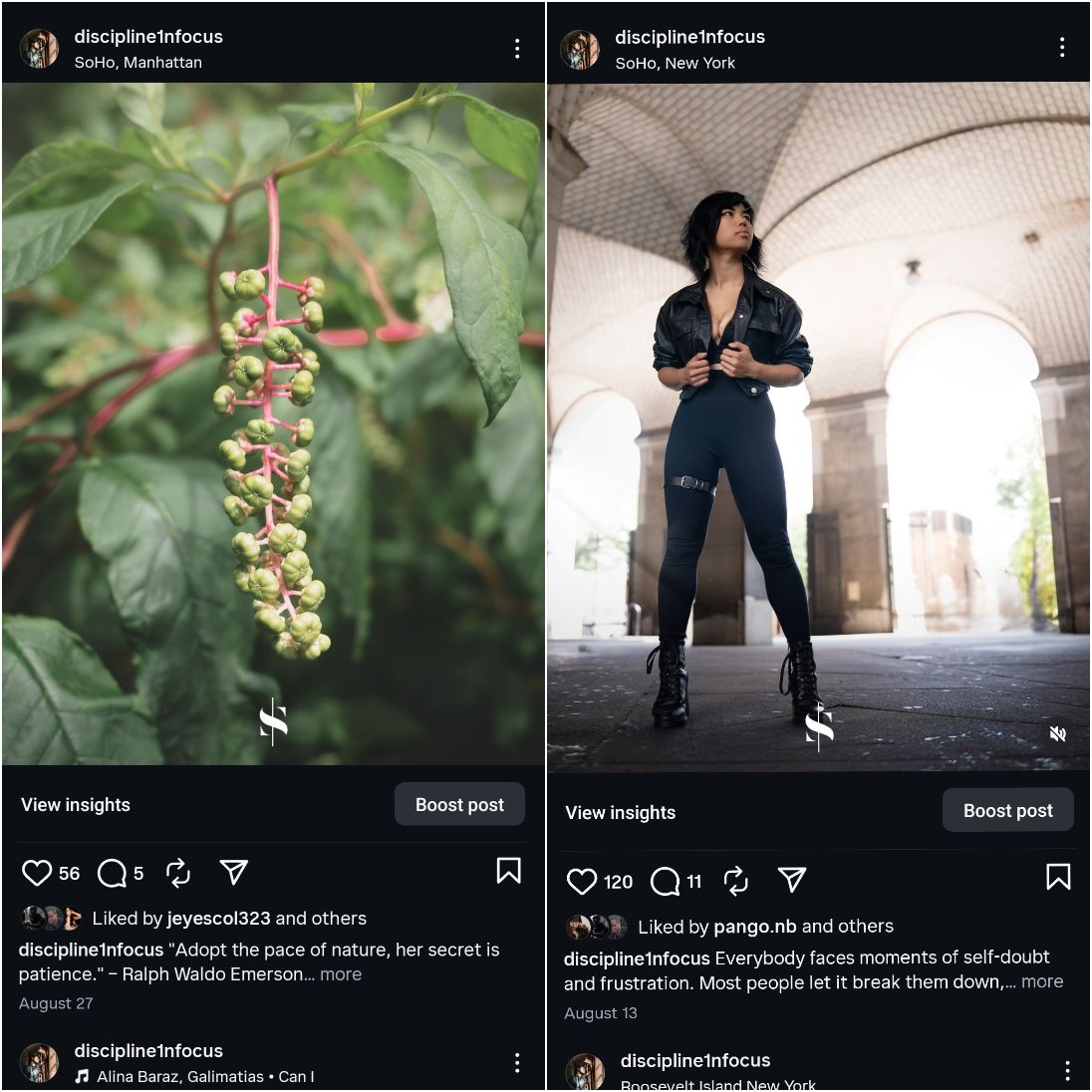
Because of this conditional support, the pressure to conform to what followers accept can suppress creativity and limit growth. The constant pursuit of approval or higher status within the group can also erode self-worth. This is the lens I will use to examine the idea of photography cults.
Chapter 3: The Rise of Photography Event Organizers
After researching this topic, I traced the rise of photography events as far back as the 1800s. I will save that history lesson for later and jump ahead to the mid-1900s. During this time, photography evolved beyond solitary practice and gave rise to organized communities and structured learning spaces that supported creative development and critical discourse.
One of the most influential examples was the Kamoinge Workshop, founded in New York City in 1963. As one of the first collaborations between two African American photography groups, Kamoinge provided mentorship, mutual support, and artistic solidarity at a time when Black photographers were excluded from mainstream institutions. The collective encouraged members to document Black life authentically and creatively, setting a standard for community-centered artistry. Many people, myself included, only discover this part of photography history after digging deeper.
In the 21st century, the trend of styled shoots emerged as a unique tool within the photography community. These shoots, often visible on Instagram and especially around New York Fashion Week (NYFW), bring together photographers, planners, models, makeup artists, and venues to create highly curated content. Styled shoots give newcomers a way to learn, experiment, and build portfolios, while also helping photographers explore their own styles by engaging with the styles of others. Platforms like Eventbrite and Meetup host a variety of these gatherings, ranging from low-cost meetups to overpriced events. In my experience, cheaper events often provide the same value as expensive ones, apart from access to more elaborate venues. Many are promoted as learning opportunities that combine education, exhibition, and networking.
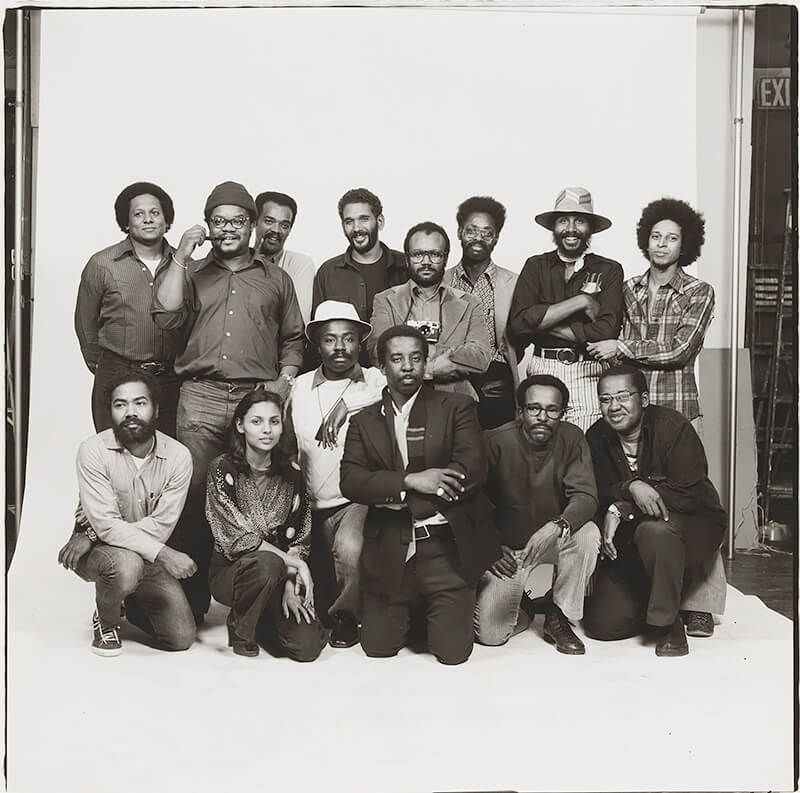
Photo Credit to Whitney Museum of American Art
Events like these attract photographers because they promise what creatives often crave most. As I mentioned earlier, I once involved myself heavily with organizers who promised opportunity and support, and at the time I believed their circle was essential for my growth. For newcomers, these events deliver portfolio-building, peer learning, and access to experiences that might otherwise feel out of reach. Even seasoned professionals sometimes join for the chance to network, experiment creatively without client restrictions, and stay visible in a competitive field.
But the same elements that make these events attractive also make them problematic. Organizers can exploit the desire for connection and recognition with inflated promises, high ticket costs, or restrictive terms of participation.
Here are some recent prices I encountered:
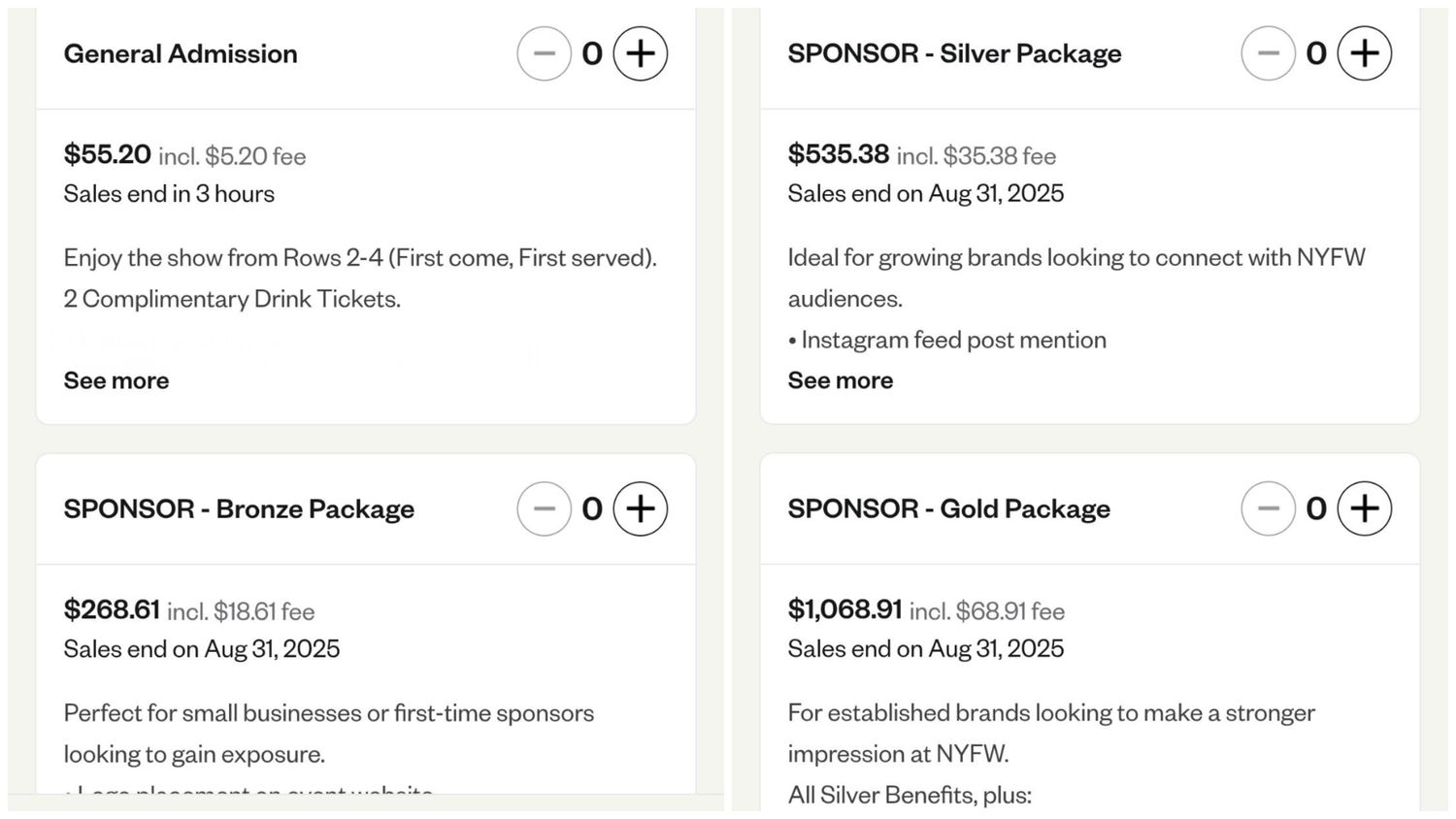
Eventbrite
Chapter 4: Cult-Like Parallels in Photography Events
One of the most telling parallels between cults and certain photography event organizers is how these leaders position themselves as indispensable gatekeepers. They present themselves as gurus who claim to hold the keys to opportunity, access, and creative legitimacy. They attract large followings by promising visibility, collaboration, and career momentum, making participation in their events feel like the only path forward.
This dynamic reflects what sociologist Max Weber called charismatic authority. He described it as a form of leadership where followers’ loyalty rests on the leader’s perceived exceptional traits rather than tradition or structure. Weber explained that charismatic authority grows from “devotion to the exceptional sanctity, heroism or exemplary character of an individual person,” which creates a bond of personal allegiance between leader and follower. In photography circles, this path often leads to unhealthy dependency. When access to models, venues, or recognition depends on continually buying into a guru’s event ecosystem, belonging turns into obedience. Over time, questioning the leader or stepping away from events erodes access and often results in exclusion, damaging both reputation and emotional well-being. I am experiencing this firsthand.
Another cult-like trait in photography events is the creation of exclusivity. Organizers frame participation as a privilege rather than a transaction. They create inner circles, VIP tiers, or selective invitations, much like the examples I have described earlier. On the surface, exclusivity feels rewarding. Being chosen or given special access provides validation, belonging, and elevated status. It appeals to a basic psychological need for recognition. Major companies such as Apple use similar tactics with their tiered iPhone lineups like the iPhone 16, iPhone 16 Pro, and iPhone 16 Pro Max.
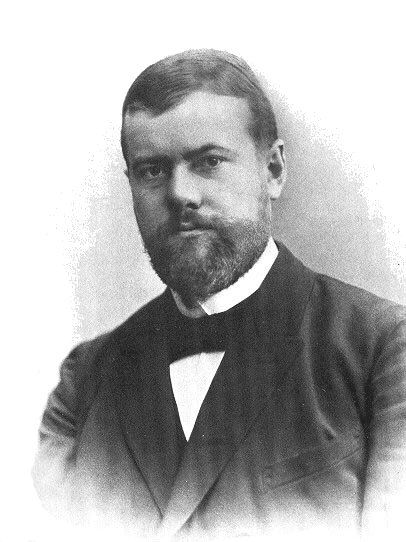
Weber defined charismatic authority as “resting on devotion to the exceptional sanctity, heroism or exemplary character of an individual person, and of the normative patterns or order revealed or ordained by him.”
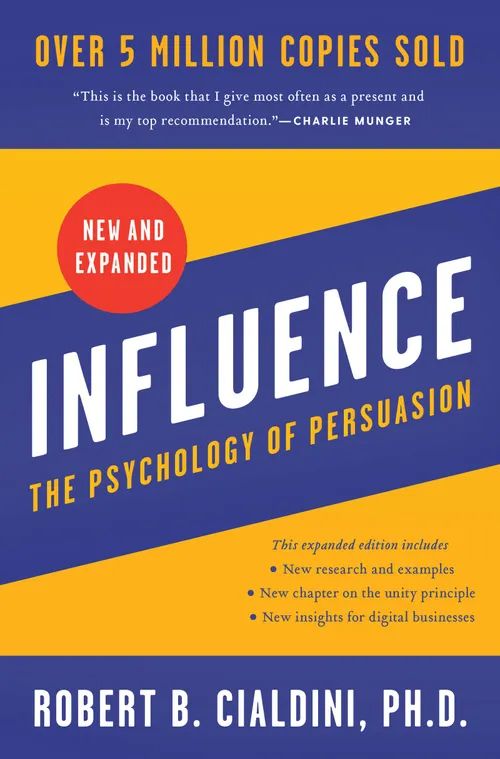
Organizers often use exclusivity as a tool of manipulation. Social psychologists have studied the scarcity principle, which shows that people place higher value on opportunities that appear rare or limited. Robert Cialdini explained that “opportunities seem more valuable when their availability is limited,” and people are more likely to comply when they believe access is scarce or selective (Influence: The Psychology of Persuasion, 2007). Organizers rely on this principle to market their events, packages, or VIP groups as must-have opportunities, even when the benefits fail to justify the cost.
For photographers and videographers, the danger lies in mistaking exclusivity for real advancement. Believing that inclusion in a select group guarantees success traps creatives in a cycle of paying for higher-tier experiences and chasing validation instead of building independent growth. Those left out of these so-called inner circles often feel inadequate or ostracized, reinforcing the idea that success depends on the organizer’s approval. I see this regularly with frequent attendees who rush to every event just to stay visible.
Organizers also use peer pressure to maintain control. Many photographers feel they must attend every event, praise the organizers, and avoid raising concerns to protect their place in the community. I began losing support and followers as soon as I stopped attending a particular group’s events. The decline accelerated when I ignored two leaders who asked why I left both the events and the group chat. Their actions reminded me of Solomon Asch’s conformity experiments in the 1950s. In those studies, participants gave obviously wrong answers simply because the group agreed on them. Asch concluded that “that action which appears obviously incorrect may still be chosen under group pressure” (Asch, 1951, Effects of Group Pressure upon the Modification and Distortion of Judgments). I witnessed this same effect at events where VIP ticket holders received no different treatment than general attendees, yet they accepted it without complaint.
In many photography communities I’ve joined, members hesitate to criticize events or organizers because they fear exclusion or reputational damage. Instead of open dialogue, silence dominates while exaggerated praise spreads quickly. Positive comments like “Let him or her cook!” circulate easily, while negative ones such as “You owe me more pictures” are shut down. This creates a culture where harmful practices go unchallenged, and creatives keep investing their time and money not out of genuine excitement but out of fear of being left behind or blacklisted.
A recurring pattern I’ve witnessed in these circles is the deliberate creation of financial dependence through constant upselling. Organizers lure photographers with ticket bundles, premium memberships that promise “special access,” or early-bird deals that suggest scarcity. Each tier feels like an investment in one’s career, but over time it creates a cycle where progress seems possible only by paying for the next event. I also noticed ticket prices varied by role, with different rates for photographers, models, and others. At one point, an organizer gave me a 30 percent discount code through Eventbrite and told me not to share it. Even with the discount, I didn’t feel motivated to keep attending.
This cycle ties directly to the principle of commitment and consistency described by Robert Cialdini. In Influence: The Psychology of Persuasion (2007), he explains that once people commit to a small decision, they often continue making additional purchases to stay consistent with that choice. In photography, one workshop ticket can push someone to buy memberships or sign up for more events, believing they must “see it through” to justify their initial investment.
Like mobile games that thrive on the sunk cost fallacy, financial loyalty eventually overshadows creative independence. Instead of asking whether the event truly supports their growth, photographers keep paying out of fear of missing out, losing their place in the community, or wasting what they already spent. This dependency blurs the line between growth and exploitation, leaving many drained of resources with little measurable advancement. I would have fallen into the same trap if I had not focused on building my own photography business while attending these events.
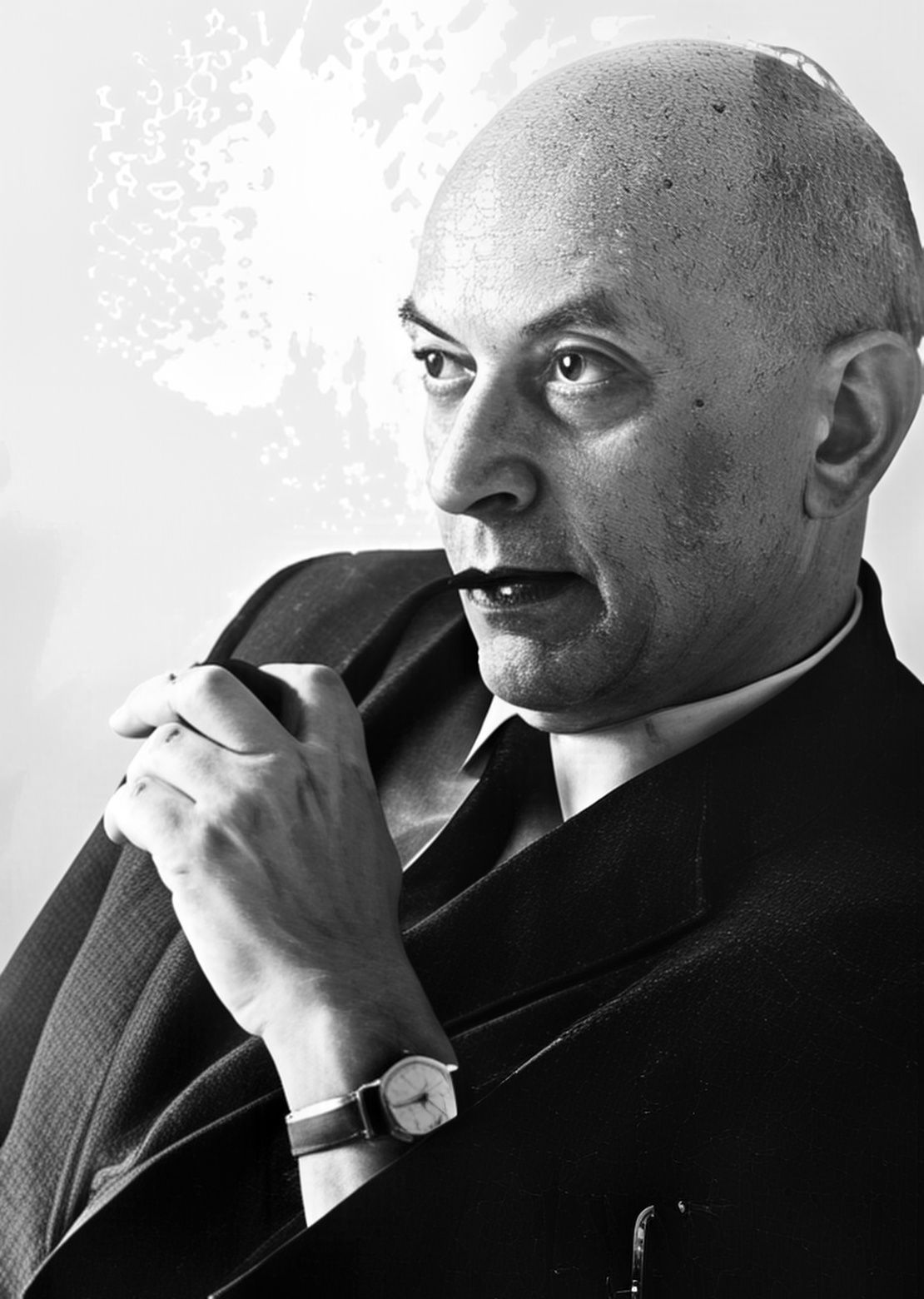
Another red flag is the isolation of critics. Organizers often remove or shame photographers who question pricing, fairness, or value. I even witnessed one group remove a member from an Instagram chat because that person raised concerns about competition and the nature of the events.
This tactic creates a chilling effect, teaching others that questioning the system carries social and professional consequences. Albert Bandura described this as moral disengagement, where people justify harmful treatment of others to preserve group cohesion (Moral Disengagement: How People Do Harm and Live with Themselves, 2016). In these settings, silencing dissent protects the leader’s authority and reinforces the idea that loyalty matters more than honesty.
In photography communities, this silencing stifles dialogue. Instead of promoting transparency, the culture relies on unspoken rules where praise is amplified and criticism is erased. I have spoken with several photographers who share my concerns. Over time, many begin to internalize the idea that speaking up risks both their access to events and their reputation within the community. As I write this blog, I already feel my standing diminishing, and I have even lost two potential clients as a result. Isolation harms not only individuals but also the community, eroding trust and preventing the kind of accountability that could help the industry grow stronger.
Chapter 5: Terms of Agreement Breakdown
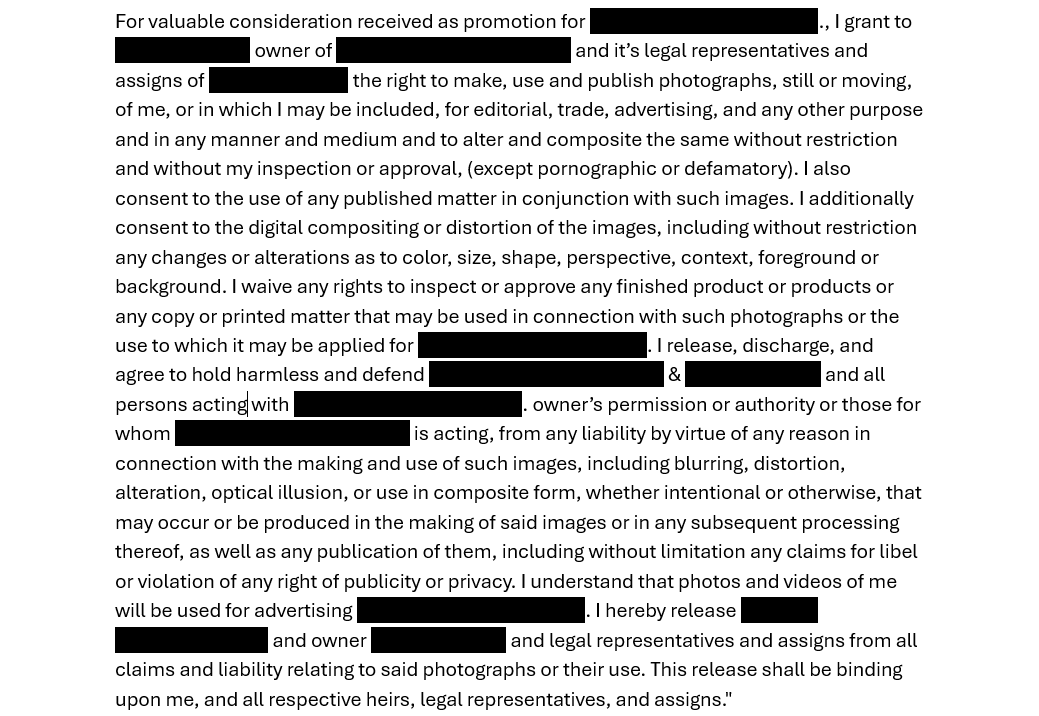
When organizers act as gatekeepers to success, photographers risk depending on events for validation instead of building their own sustainable paths. What may begin as an empowering space for growth can quickly turn into an environment of control and exploitation if photographers do not set boundaries. Nothing demonstrates this more clearly than the terms of agreement that many attendees accept without ever reading. Below is one example of a Terms of Agreement that made me stop and reconsider before committing to any future events with this organizer and others who operate in a similar way.
Pros:
These terms offer several clear advantages. They specify that your images can be used for editorial, advertising, and promotional purposes, which removes confusion about usage rights. They also protect you by prohibiting pornographic or defamatory applications, ensuring your likeness does not appear in harmful contexts. For the organizer, the agreement creates legal certainty by releasing them from liability, making the relationship straightforward once you purchase a ticket. By making the release binding on heirs and legal representatives, the agreement also ensures long-term clarity and prevents future claims against the company, providing stability for both sides.
Cons:
The drawbacks expose the real issues once you look past the legal jargon. The agreement grants extremely broad rights, allowing your image to be used in almost any medium and for nearly any purpose, far beyond the scope of the original project. It forces you to waive your right to inspect or approve final products, which means your likeness could appear in campaigns or contexts you would never support. Even more concerning, the consent to unrestricted alteration gives the organizer power to distort or manipulate your image in ways that could misrepresent you. I know of another photographer who experienced this firsthand when organizers used one of their early, weaker shots to represent their work long after they had improved. The liability release shifts the balance entirely toward the organizer, shielding them from responsibility while leaving you with no recourse if your image appears in objectionable ways. In my view, this is unacceptable because it enables the organizer to profit from your work. Combined with the fact that you paid to attend and create these photos, this setup allows them to sidestep plagiarism claims, leaving the creative vulnerable while the organizer benefits.
Chapter 6: Psychological and Financial Impact on Photographers
Photography activities attract creative people because of their strong emotional appeal. One of the most common hooks is FOMO (fear of missing out). This psychological driver convinces photographers they will fall behind if they skip an event, miss a styled shoot, or fail to align with the “in” group. Social media often fuels this cycle. When organizers heavily promote an event before it happens and attendees flood platforms afterward with the content they created, it drives the “you can be part of this too” feeling.
This fear ties directly to the pressure to belong, another powerful motivator that often overwhelms critical judgment. Many attendees admit to chasing validation or the recognition that comes from being seen at these events, sharing images online, or earning public approval from the organizer and their circle. These forces keep photographers engaged long past the point of genuine benefit. This is what I call conditional support, where creators feel compelled to focus only on the areas they know the collective will reward. In my case, that meant portraits.

(Fear of Missing Out) fear of not being included in something (such as an interesting or enjoyable activity) that others are experiencing
Financially, this cycle drains resources quickly. Repeated spending on tickets, memberships, VIP access, and travel piles up without delivering meaningful career advancement. Looking back, I know I should have invested much of that money directly into my business instead of these events. Research in behavioral economics shows that sunk-cost bias pushes people to keep spending even when returns remain low, simply because they already invested so much (Arkes & Blumer, 1985). In photography, this often means spending thousands of dollars over several years on events that grow the organizer’s brand rather than the attendee’s long-term success.
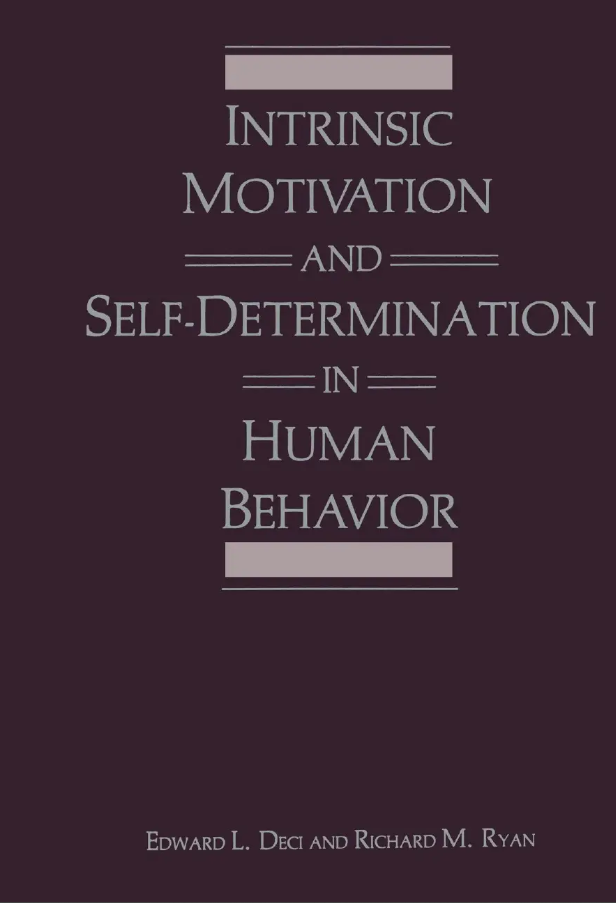
The psychological toll hits just as hard. When creatives realize their investment does not match the promises made, they often face disillusionment and burnout. You have probably heard the word “burnout” in groups, usually when people step back for a while and sometimes return later. Instead of feeling empowered, they feel exploited and manipulated, questioning their self-worth and their place in the industry. Psychologists note that environments built on conditional acceptance, where belonging depends on compliance, often raise anxiety and lower well-being (Deci & Ryan, 2000, Self-Determination Theory). For photographers, this can mean losing the passion that drew them to the craft in the first place.
Ultimately, the mix of psychological hooks and financial dependence can transform what should be a joyful, creative outlet into a draining cycle. Breaking free requires awareness of these pressures and the courage to set boundaries, even when it means losing the approval of those who profit most from your participation.
Chapter 7: Healthy vs Toxic Organizers – How to Spot the Difference
Not every organizer or photography event creates problems. Many provide real value and create spaces where creativity thrives. The challenge for photographers is learning how to recognize healthy leadership and avoid toxic practices before investing time and money.
Healthy organizers operate with transparency. They clearly outline what attendees can expect, who will participate, and what the ticket price does or does not cover. Their terms of agreement remain straightforward, with fair refund policies and clearly defined deliverables. They encourage open dialogue, welcome feedback, and practice balanced leadership, which means no single person holds untouchable authority. When unexpected issues arise, such as scheduling changes or logistical setbacks, healthy organizers communicate openly and take responsibility.
Toxic organizers, by contrast, rely on secrecy and manipulation. They often provide vague event details or withhold important information, making it difficult for attendees to know what they are paying for. Their marketing frequently overpromises benefits such as guaranteed exposure, career advancement, or insider connections, yet the results rarely match the claims. These organizers also tend to react poorly to criticism, sometimes silencing dissenting voices or shaming attendees who ask difficult questions. Instead of fostering community, they create dependency that benefits the organizer more than the creative participants.
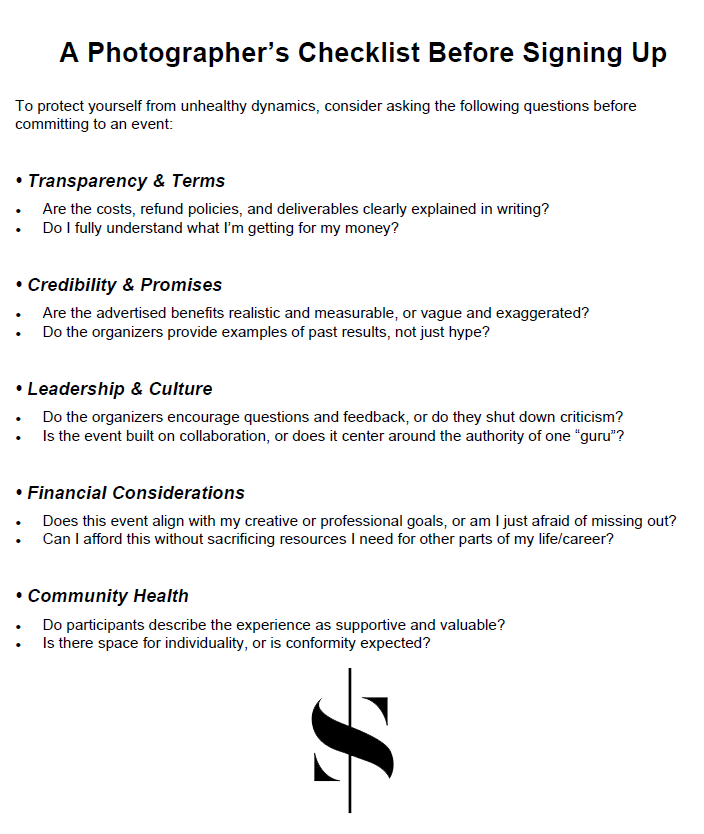
This checklist became my personal tool for evaluating events, and it quickly changed how I approached them. Once I started applying these questions, I realized that only about one out of ten events actually delivered real benefits. The rest failed to honor their promises or created unnecessary dependency. By using this checklist, you can make clearer decisions, protect your resources, and avoid falling into cycles of disappointment.
Chapter 8: Personal Reflection
When I look back on my involvement with certain photography events, I see clearly how I fell into the cycle. At the time, I believed that attending workshops and styled shoots was the key to growth. I wanted to belong, to build connections, and to prove that I was serious about my craft. Many organizers positioned themselves as gatekeepers to opportunities I couldn’t create on my own, and like many others, I bought into the idea that persistent participation would eventually lead to recognition and advancement.
Stepping away from those who turned out to be different than I expected became the turning point. Walking away was not easy. I lost people I thought were supporters, and I had to face the uncomfortable truth that others had taken advantage of my loyalty. I feared that the few I enjoyed working with would also disappear, and sadly, many did. But in that space I rediscovered something important: my creativity does not depend on anyone else’s approval. Once I stopped chasing validation through these events, I focused on my own projects, my own clients, and the joy of photography itself. Setting boundaries gave me the freedom and clarity I had been missing, and it protected me from the burnout I saw so many others experience. That realization alone carries weight.
That experience permanently reshaped how I view photography events and community-building. I no longer value groups that demand conformity or blind loyalty. I now believe in collaboration rooted in transparency, respect, and mutual growth. This belief is why I feel more at home during solo or small photowalks with people who want friendship and who want to learn how others work. A true community should empower each photographer to find their own voice, not pressure them to follow a single leader’s vision. While I can still appreciate the role these events can play, I now approach them with a critical eye, always asking whether they serve the art and the artist or simply the organizer’s ego.
Chapter 9: Moving Forward – Building Better Communities
If toxic or cult-like organizers harm the photography world, the solution is not to abandon events altogether but to rethink how communities are built. Photographers do not need to rely on one central figure to create opportunities. They can foster spaces that stay collaborative, transparent, and supportive of genuine growth.
One alternative is the self-organized meetup. I began hosting these after I felt blacklisted and lost the conditional support I once had. These gatherings cost little or nothing and allow photographers to connect without the gatekeeping of an organizer charging high fees. Meeting in a park, walking through a city street, or renting a studio creates opportunities for practice without inflated promises. Collaborative shoots also offer value when each creative contributes something, whether that is a model, location, wardrobe, or equipment.
Another key step is empowering photographers to set boundaries. Photographers must be willing to say “no” when something feels exploitative and take the time to carefully read contracts, terms of service, and event agreements. This practice is crucial because it shows you know your value instead of handing it over to others. Understanding refund policies, ownership rights, and usage clauses protects against manipulation and prevents costly misunderstandings. The responsibility is twofold: organizers must communicate clearly, and photographers must hold themselves accountable by doing their due diligence.
Finally, a healthier photography community thrives on transparency. Organizers should state clearly what attendees will receive, invite feedback, and accept constructive criticism without hostility. Photographers can strengthen this culture by sharing honest accounts of their experiences, both positive and negative, so others can make informed choices. When transparency replaces secrecy and collaboration replaces control, the community becomes stronger and more sustainable.
At its core, photography is about connection. By moving away from cult-like dynamics and toward cooperative structures, the industry and the art form can grow in ways that remain empowering, inclusive, and genuinely rewarding for everyone involved.
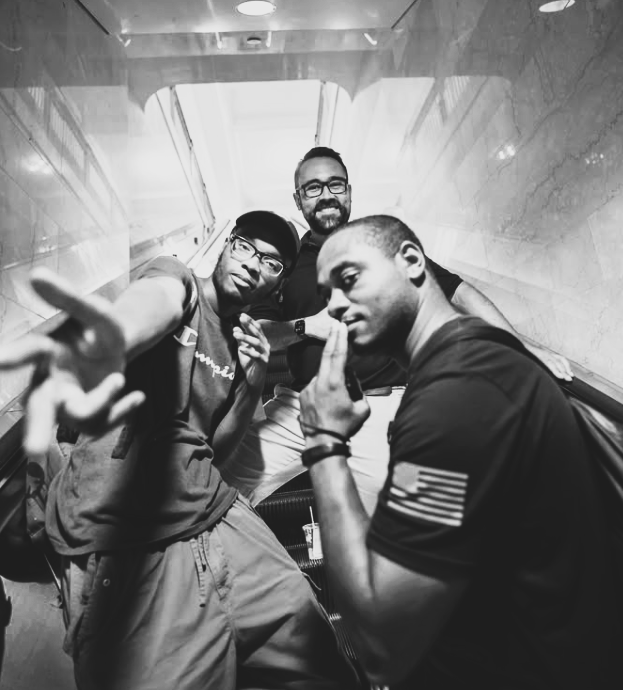
Credit to @shoysbyfelipe_
Chapter 10: The Takeaway
Not every event organizer in the photography world manipulates people, and it would be unfair to treat them all the same. Many organizers work hard to provide real opportunities for growth and connection. Still, photographers and videographers need to recognize that certain corners of the industry do show cult-like dynamics. Charismatic leaders who act as gatekeepers, constant financial upselling, and the silencing of criticism all reveal patterns that demand attention so creatives can better protect themselves.
The real takeaway I want to share is this: protect your creative energy, your finances, and your independence. Read every agreement carefully, understand your rights, and walk away if something feels off, even if it costs you conditional support. You are worth more than conditional approval, and you already know that. Build communities that thrive on collaboration, fairness, and transparency instead of control and manipulation. Do not overlook the importance of building friendships, because genuine connection is what makes the social side of photography meaningful. True growth comes from empowerment and honesty, not dependency. Thank you for taking the time to read this. I hope it helps you recognize the value within yourself and your craft and reminds you never to place that value in the hands of others.
Antonio Hayes
Lyon's Pride
Professional Reminder: This blog informs rather than offends. The disclaimer at the beginning of this article applies here as well. Its purpose is education and reflection, not the targeting of any individual or group. If anyone chooses to take offense where none is intended, they must understand that hurt feelings and any gaslighting attempts will NOT be entertained or tolerated.
Citations:
Langone, Ph.D., M. D. (1999, May 14). Cults, psychological manipulation, & society. ICSA Articles 1. https://articles1.icsahome.com/articles/cultspsymanipsociety-langone
LibreTexts. (n.d.). Charismatic authority. In Boundless Sociology. LibreTexts. https://socialsci.libretexts.org/Bookshelves/Sociology/Introduction_to_Sociology/Sociology_%28Boundless%29/15%3A_Government/15.01%3A_Politics_Power_and_Authority/15.1G%3A_Charismatic_Authority
Cialdini, R. B. (2007). Influence: The psychology of persuasion. HarperCollins.
Asch, S. E. (1951). Effects of group pressure upon the modification and distortion of judgments. In H. Guetzkow (Ed.), Groups, leadership and men (pp. 177–190). Carnegie Press.
Bandura, A. (2016). Moral disengagement: How people do harm and live with themselves. Worth Publishers.
Arkes, H. R., & Blumer, C. (1985). The psychology of sunk cost. Organizational Behavior and Human Decision Processes, 35(1), 124–140
Deci, E. L., & Ryan, R. M. (2000). The “what” and “why” of goal pursuits: Human needs and the self-determination of behavior. Psychological Inquiry, 11(4), 227–268.