Disclaimer
Preface
This blog is written with the intent to spark thought and personal growth within the creative community. It is in no way meant to offend or single out any individual, group, or practice. The ideas presented are observations and reflections based on common patterns seen in creative spaces. Some of the content may be similar to my previous blog as they fall within the same realm of issues that affect the photography community.
If anything within this piece causes discomfort, I encourage approaching that feeling as an opportunity for self-reflection rather than offense. Often, the areas that challenge us most are the ones that hold the greatest potential for growth. The purpose here is not to criticize for the sake of criticism, but to invite deeper awareness about choices, creative health, and long-term vision.
By reading further, please understand that this blog is shared in good faith and with respect for all photographers, and by extension all creatives, regardless of how they choose to practice their art. Please note that I focus on photographers here, but these points apply to creatives of all kinds.
Nothing in this blog is intended as a personal attack, professional judgment, or absolute truth. These reflections are my own perspective and experiences, which may or may not align with yours. If your approach differs, it does not mean one is right and the other wrong. This is not a set of rules, but an invitation to think critically about how trends, habits, and external pressures may shape creative work.
If you find value in these ideas, take what resonates. If you disagree, I welcome that too, because diverse perspectives enrich the creative community. I am not responsible for how my words are interpreted outside of their intended context, which is to encourage reflection, conversation, and growth.
Also, Slideshow images do not contain ANY of my work. I do not claim them as my own.
Part 1: The Allure of Trends
Let’s start this off the right way. What is a Trend? Some would say that a trend is simply something that many people follow along with. This idea would be the simple truth. The core definition of a trend is something that gains momentum because many people start engaging with it at the same time. In most cases, it is something that is visual and for a lot of people, it is very habitual. Social media drives much of the allure of this trend by boosting its visibility through algorithms and recommendations. Social media platforms reward what’s trending by boosting their visibility in feeds, recommendations, and search results, making it easier for photographers to gain quick exposure. This system encourages the repetition of the same styles, sounds, or visuals, often at the expense of originality.
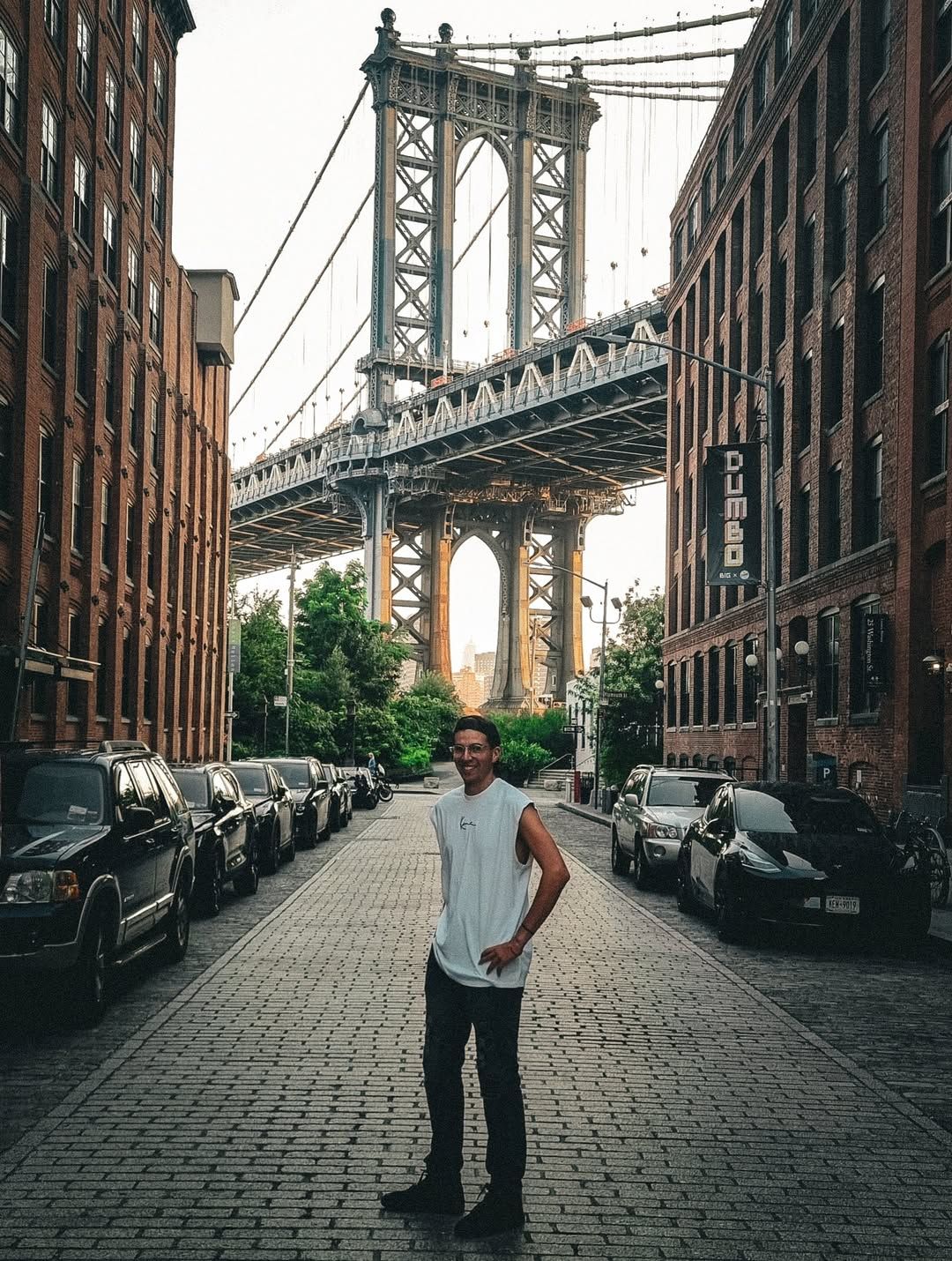
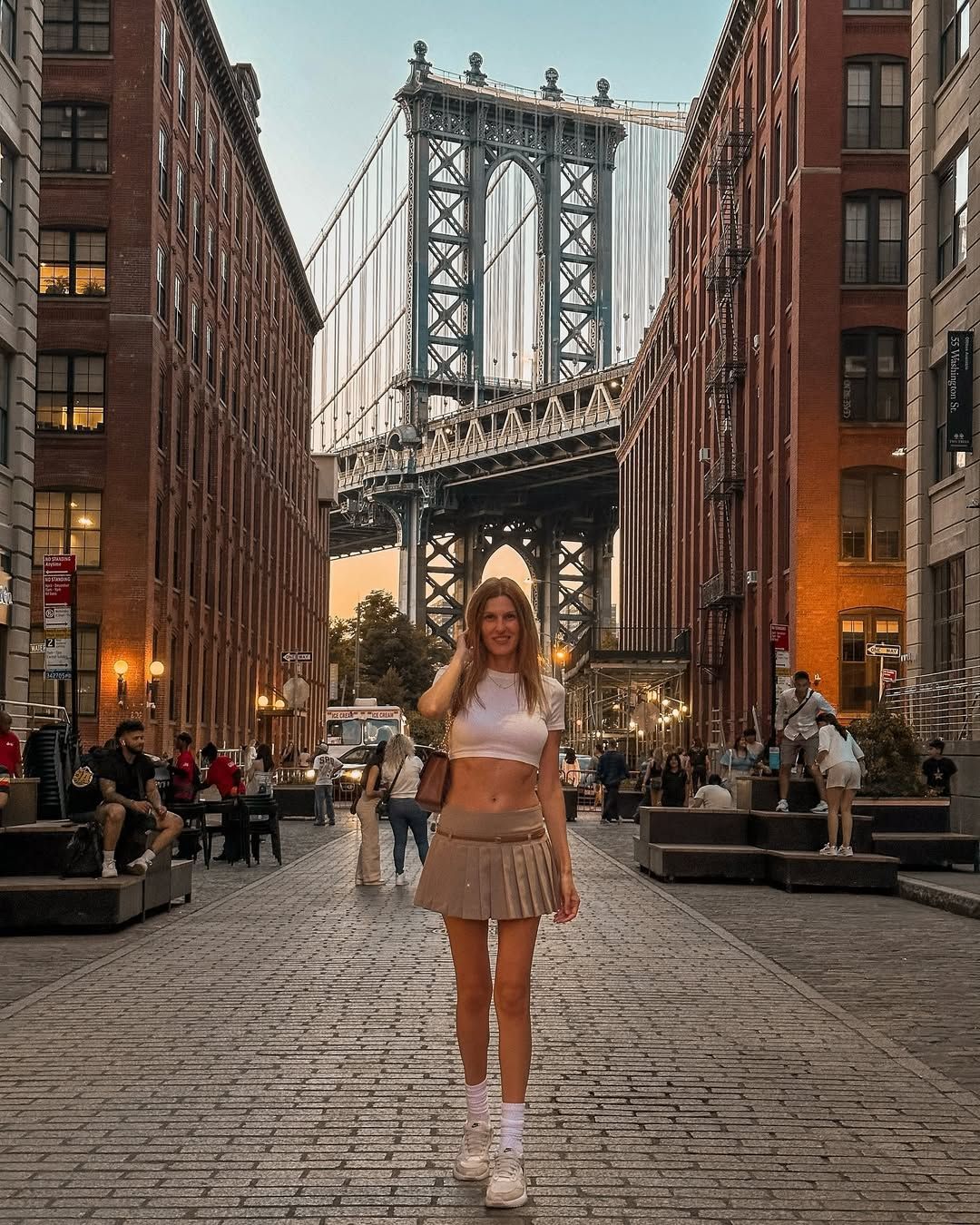
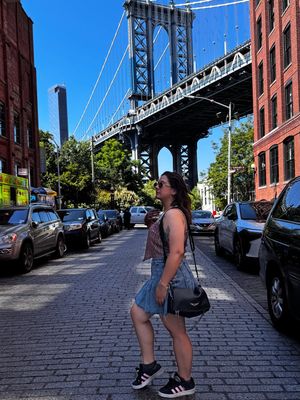
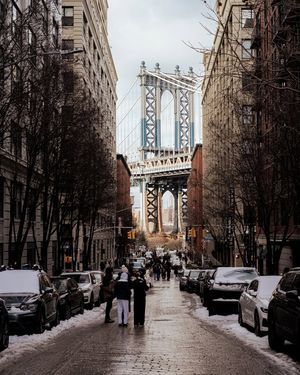
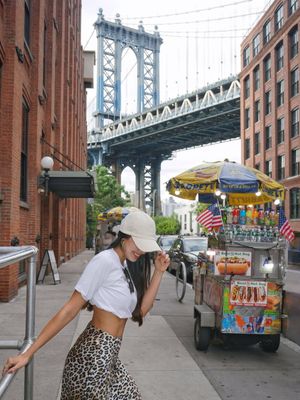
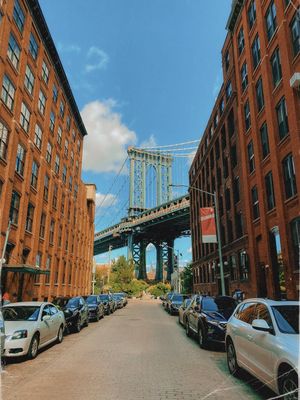
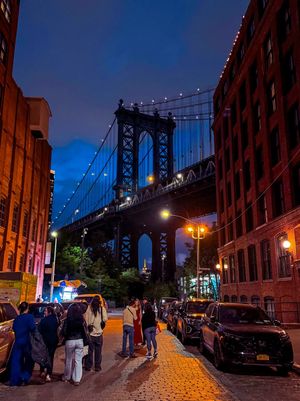
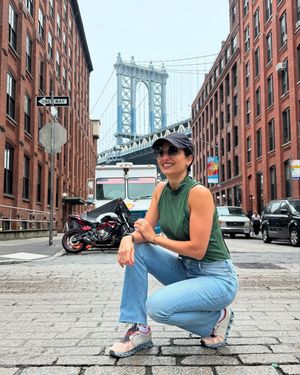
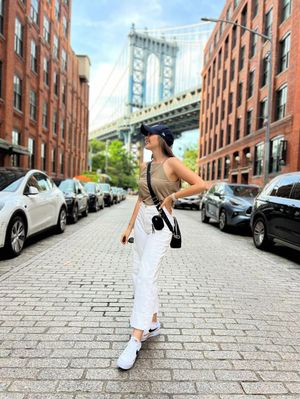
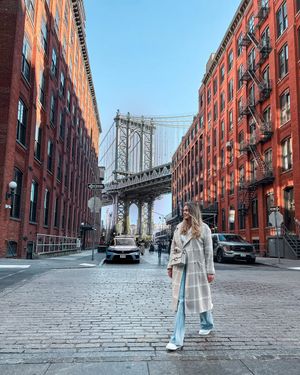
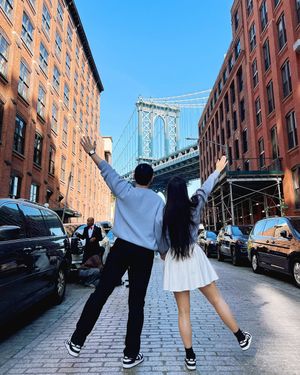
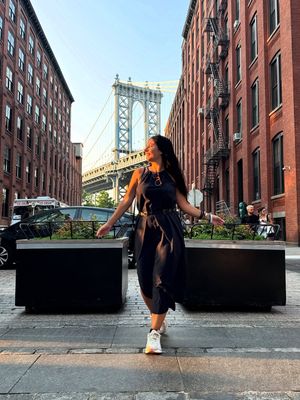
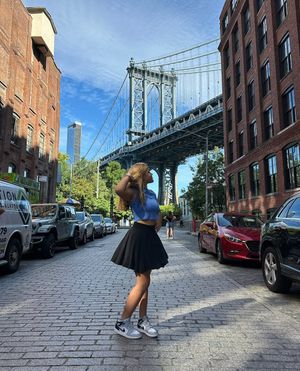
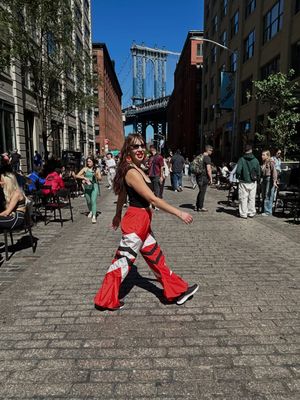
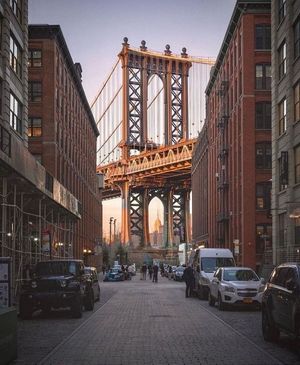
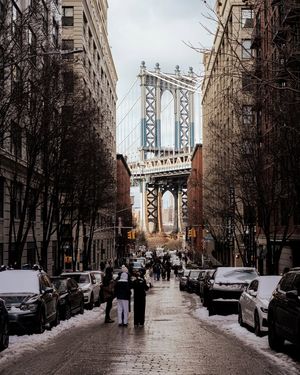
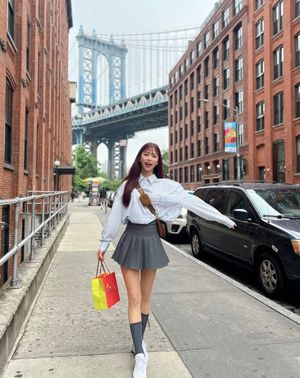
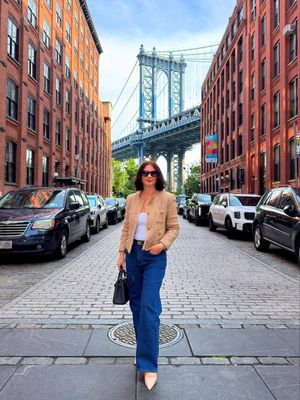
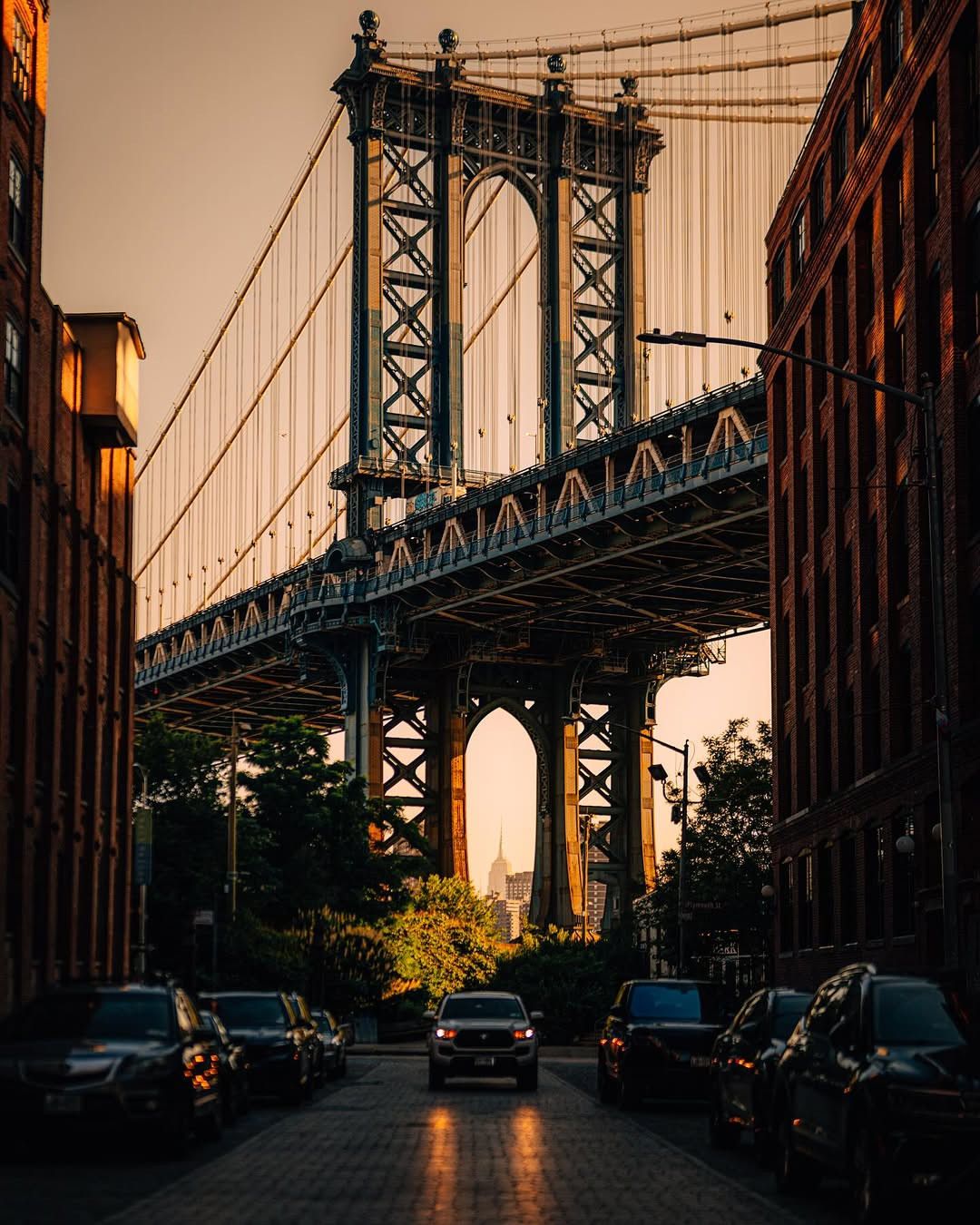
First thing right now that pops into my mind about this is the Jet2Holiday audio that has taken over Instagram. Another one is the image of Dumbo Brooklyn that is on almost all NY Photography pages. many Photographers jump on social media trends to stay relevant because trending content offers them a chance to stand out in a crowded digital space. The pressure to maintain visibility usually pushes them toward imitation rather than innovation. This appeal of being a part of a viral trend comes from the sense of attention and shared experiences that those following the trend create. Joining in allows photographers to feel connected to a larger cultural wave, a phenomenon often reinforced by the shared visibility and engagement that trending content generates across social platforms. While I focus here on how trends can overwhelm or dilute originality, I will also return later to show how they can be used intentionally.






























Part 2: The Algorithm’s Influence
If trends are the bait, then the algorithms are the hook. Trends spread quickly on social media because platforms design their systems to push them, not simply because people like them. As mentioned in a recent PMC study, social media ranking algorithms often optimize for content that already shows strong engagement metrics such as likes, shares, and comments. Algorithms promote repetitive and familiar content more often because they align with their tendency to favor predictability [1]. In practice, algorithms promote the same style of video, the same sound, or the same type of image to millions of users. The biggest problem is that platforms often bury original or experimental work while promoting what is already familiar.
In my earlier blog on "Cults in Photography", I explained how following the group often feels like the only way to gain recognition, and the pressure to conform just to be seen reflects that same dynamic. What makes this issue even worse is that the platform is the one in control of reach. The photographer’s visibility depends on decisions made by an algorithm rather than the quality of the work itself. Don’t get me wrong, if you have a good network of support, they can share your work, but your discoverability is purely on the platform.
Click the image to read the previous blog.
Part 3: The Trap of Validation
The algorithm places heavy weight on metrics such as likes, shares, and comments, treating them as proof of value. Over time, these numbers stop being only indicators of reach and start becoming the very thing photographers chase. In their study, Pote and Watling discuss that adolescents use likes, comments, and reactions to shape their self-presentation, reinforcing behaviors that bring them back for more feedback [2]. Using myself as an example, in the beginning when I started posting my photography to Instagram, I did look at what was popular, and it did pull me more into posting portraits over the types of shots that I resonated with.
Validation can quickly shift from creating for personal gratification to pursuing the approval of an audience. It started as a sincere expression, but slowly the number of likes and comments became a measure of value. The video displayed here is a perfect example, since it leans on a trend to pull in views from the algorithm rather than standing on originality. When I think about this, I remember my old Instagram account form 2022, @the.ingenious.angel, a time where I became more concerned with reactions than with creative growth. I deleted that account and started over because much of the content no longer reflected the way I shoot or who I am as a person, and continuing to showcase it felt as if I was holding onto a version of myself that no longer existed. Because of that, the content no longer felt authentic.
Comparison culture only makes this cycle stronger, as studies show that continual exposure to others’ highlight reels on social media increases feelings of inadequacy and fuel repetitive behaviors aimed at keeping up (Vogel et al.)[3]. Success is no longer measured by the progress you see in yourself but by how your work stacks up against others in the same space. It creates a loop where following trends feels like the safest way to keep attention, even if it means putting your own voice aside. I have experienced this myself when I was going to a lot of those events I mentioned in my earlier blog, noticing how easy it is to get caught up in the numbers and validation instead of the purpose behind the work.
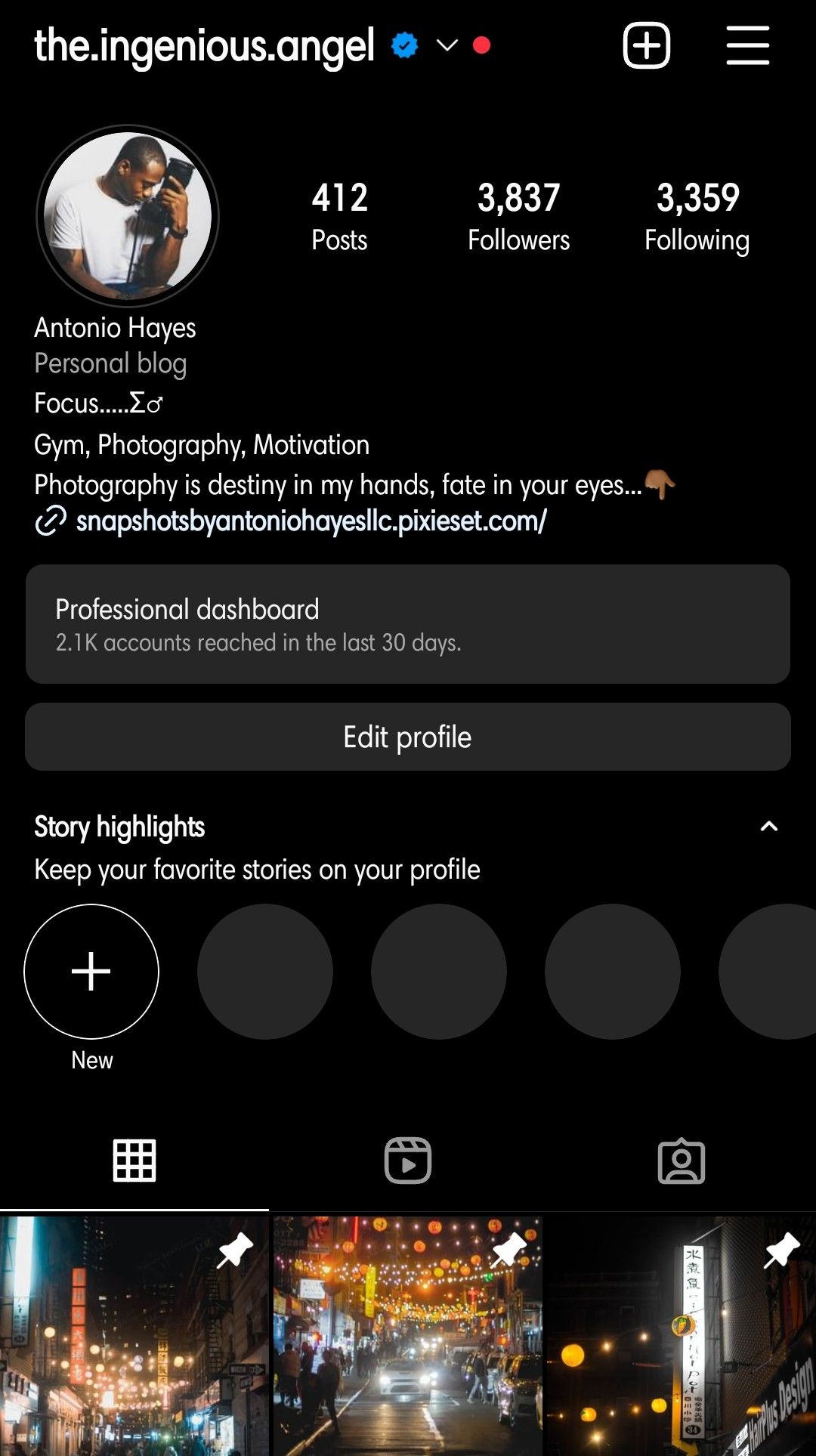
Old Instagram Account from 2021 - 2023
Part 4: The Photographer Identity Crisis
That search for validation often pulls you further from your own creative voice, until your work starts blending in with everyone else’s.
When Photographers depend too heavily on trends, the unique elements that make their work their own begin to fade. Instead of experimenting, they tend to copy what’s working for others, sacrificing personal nuance. Over time, this response leads to a common plateau, where growth stalls and all images begin to carry the same fingerprints. Hill and Monroy-Hernández show that in communities where creators extensively remix existing works, the resulting derivatives tend to exhibit less originality, implying that constant reliance on templates or external cues can limit divergence in style and vision over time (Hill & Monroy-Hernández)[4].
As more people adopt the same visual formula, portfolios start to look almost identical. What once stood out as bold or distinct now blends in, not because of the lack of talent but because of the lack of differentiation. In photography, you will usually see the same types of posts, like Timeless tones, Cinematic lighting, and even just Showing Off Gear. Reels are constantly repeating the same ideas, such as Brand Comparison , filming a camera with another camera, and again showing off gear.
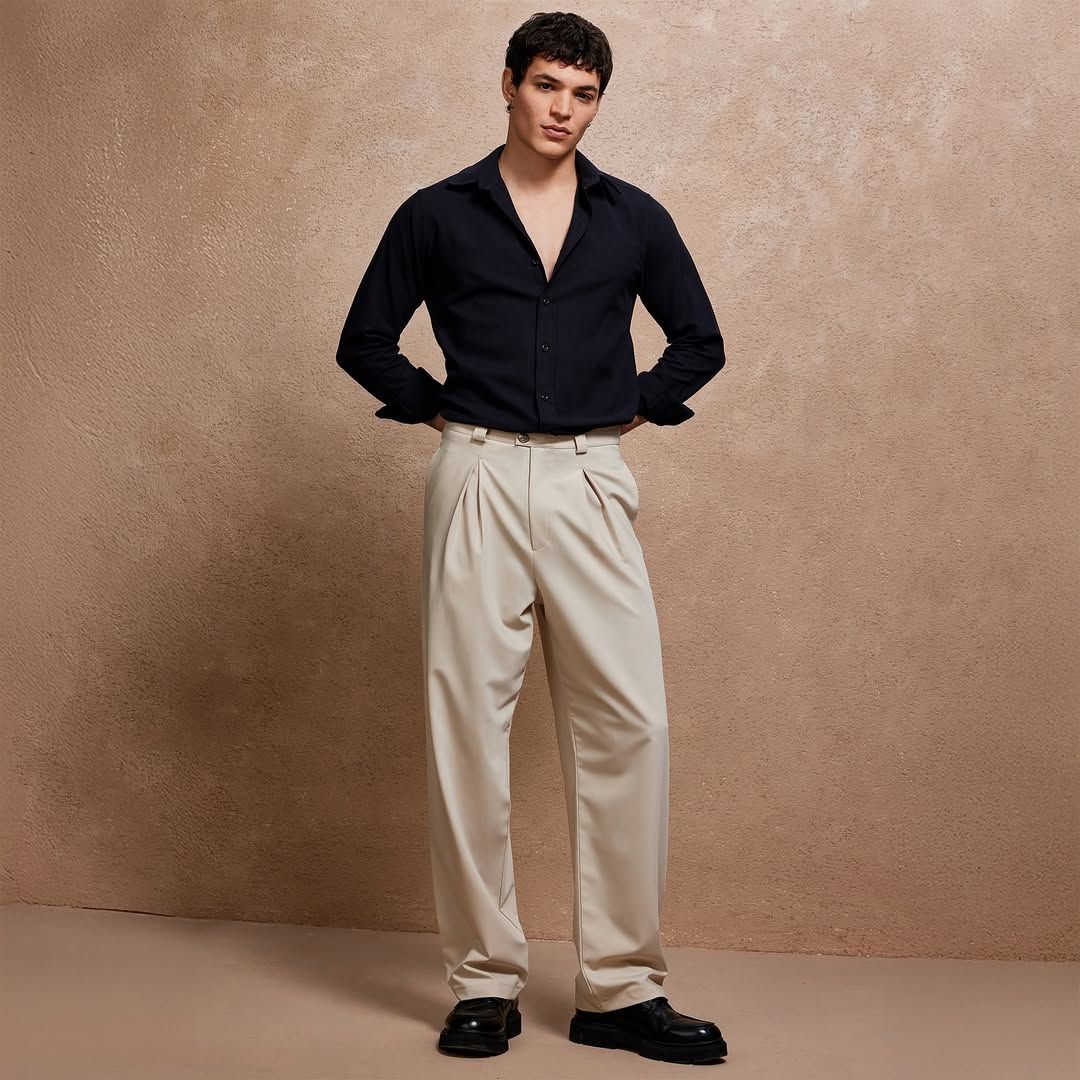
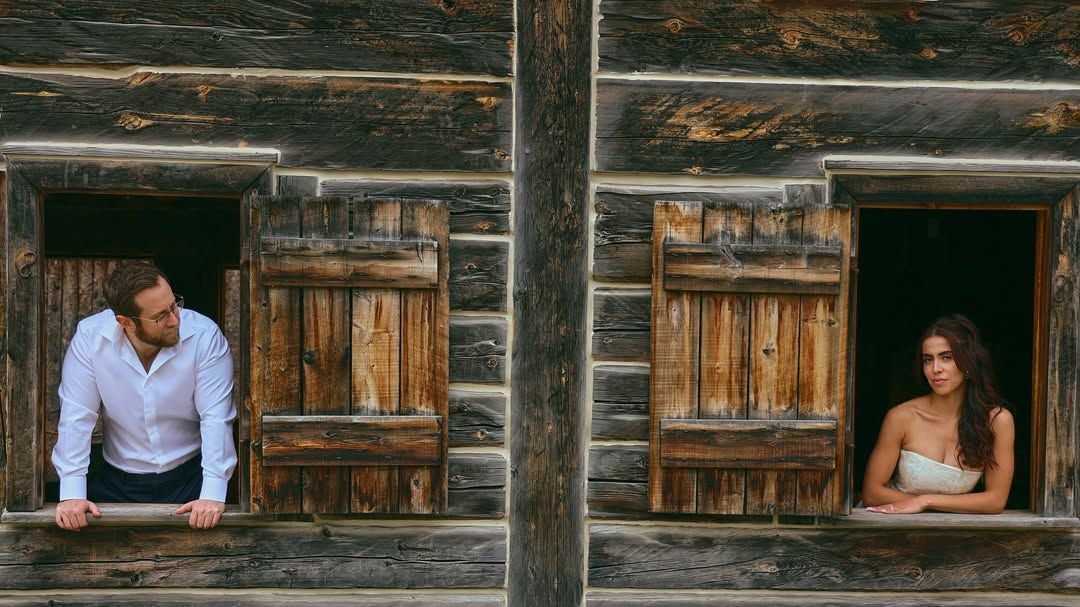
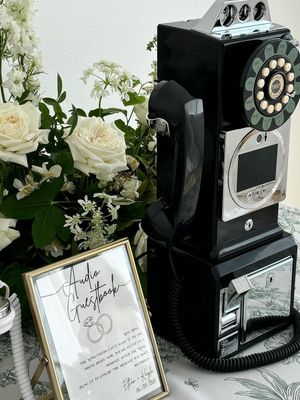
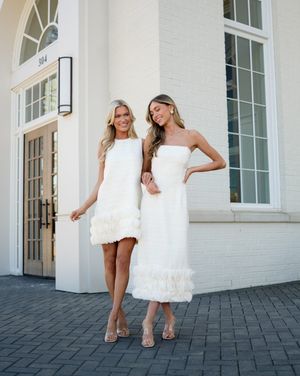

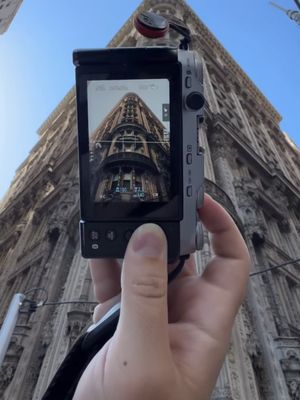
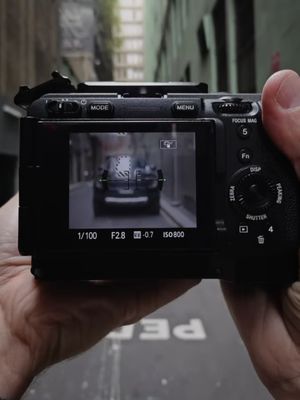
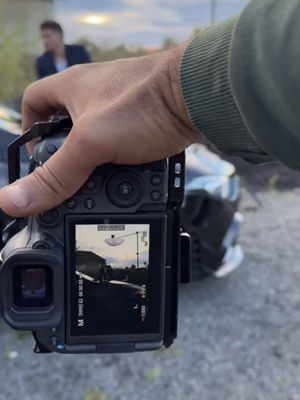
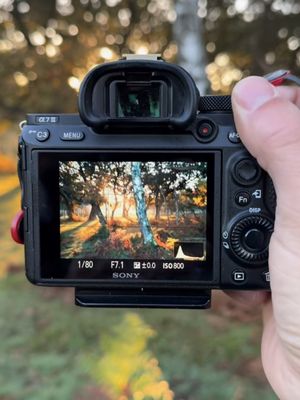
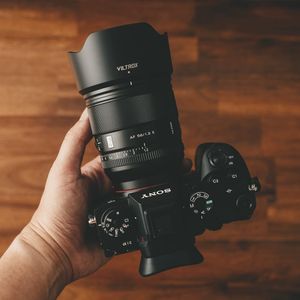
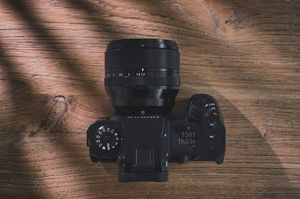
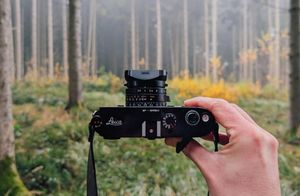
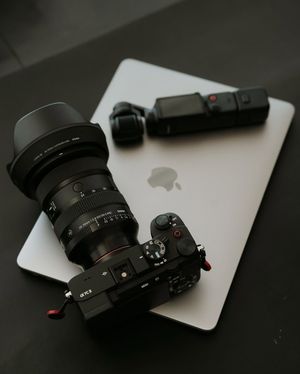
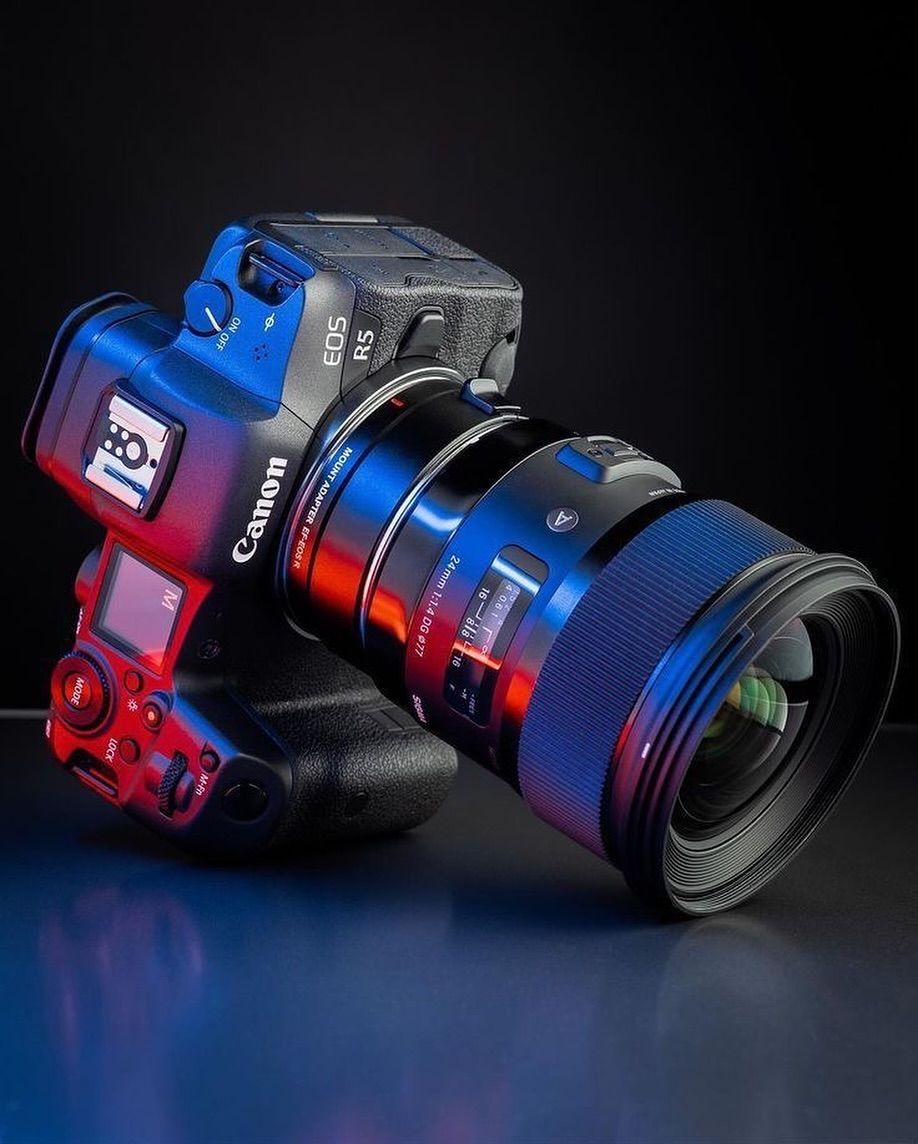
This idea is especially true in the saturated feeds, where viewers scroll fast and give less space to subtle nuances. In their article "A Survey on Popularity Bias in Recommender Systems", Klimashevskaia and colleagues explain that platform recommendation algorithms often group content by popularity and favor well-known creators, which leads to homogenized content and makes creative work feel interchangeable
[5].
The deeper effect is that the stories behind the images begin to quiet themselves. Instead of reflecting a message or a worldview, the work starts to bend toward what the platform rewards. The pursuit of numbers dilutes artistic direction and replaces storytelling, which should be at the heart of photography. Over time, layers of trend-driven choices bury the narrative and make it difficult for viewers to recognize the creator’s perspective. I experienced this myself when on my previous account, I slowly stopped subtly talking about the pain I went through from a bad breakup and loss of friends to being overly motivational, and I noticed my voice slipping away in favor of what seemed clickable. At that time, motivation was one of the main trending things on social media, and countless creators were producing nearly identical content around it.
In the same way, photography trends can push people into repeating what others are already doing until portfolios become filled with images that feel like replicas. Outside influence shapes your work more than inner direction and makes it harder to know what your own style is. This issue is why a lot of photographers go unpaid or doing free work and the result is confusion, where instead of seeing growth, you find yourself cycling through borrowed ideas and struggling to set up a clear identity that belongs to you alone. This constant cycle of chasing what is popular without ever arriving at a personal foundation eventually drains both creativity and energy, setting the stage for the exhaustion that comes with another infamous term, burnout.

Photo by SEO Galaxy on Unsplash
Part 5: When Trends Drain Creativity
The demand to stay current on every new style, sound, or editing trick creates a relentless cycle. What starts as excitement quickly turns into an obligation, where keeping up feels like a full-time job. Each scroll through a feed brings fresh reminders of what is “working,” and that pressure pushes photographers to produce faster than their inspiration naturally allows. This idea is also evident for groups, where after an event, the pressure to release the photos as soon as possible becomes a necessity after seeing others release theirs and the engagement they get on the images.
The anxiety of losing traction looms large when every post feels as if it must compete for attention. In a system that rewards momentum, even a brief pause can feel like disappearing. Constantly comparing where your work sits next to others intensifies that fear. Questions begin to creep in, such as whether you missed a shift or whether someone else already executed your idea better. Studies on the fear of missing out (FOMO) show that social media users often worry that others are having rewarding experiences without them, and this persistent concern fuels compulsive checking and stress (Gupta et al.)[6]. Over time, that stress becomes internalized, shaping not only your workflow but also your creative confidence.
Trying to outpace the algorithm drains your energy and dries up your reserves. Many photographers have experienced this when platforms pushed them to produce more reels than images on social media. What at first felt like joy in discovery turns into a grind to produce content that “performs.” The pressure to keep visibility consumes emotional bandwidth, and every decision feels burdensome rather than freeing. As your motivation erodes, the difference between making art and chasing attention becomes harder to tell. It’s not unusual to wake up and feel as if the camera is more burden than tool. If nothing changes, the result may be stepping away all together. Research on social media burnout shows that excessive use tied to stress and anxiety often leads people to discontinue or drastically reduce their use (Üztemur et al.)[7]. This idea reflects a problem some creators face: the emotional cost outweighs any reward.
When the camera becomes emblematic of pressure, and not expression, giving it up can feel like reclaiming peace. Sharing a part of my journey, I stopped shooting in 2013 when the camera got in the way more than helping my mental health. My life at that time wasn’t the best and I had to shift my priorities to getting to a point were worrying about life wouldn’t get in the way of my creativity. That turning point reminded me how burnout can strip away joy from the craft, but also how rebuilding through difficulty can bring new purpose.

Photo by Anthony Tran on Unsplash

Photo by Brett Jordan on Unsplash
when your identity gets tangled up in chasing what’s popular, the cost eventually shows up as burnout.

Photo by Walls.io on Unsplash
Originality builds a legacy, but that doesn’t mean trends should be ignored. The key is learning how to use them without losing yourself.
Part 6: The Value of Original Work
What helped me rebuild was returning to originality, because lasting work comes from projects rooted in your own perspective.
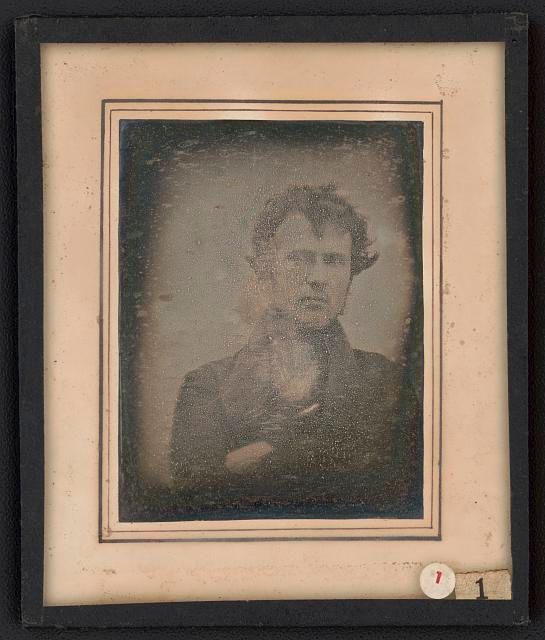
Robert Cornelius, self-portrait; believed to be the earliest extant American portrait photo. Photo credit to Library of Congress Prints and Photographs Division Washington, D.C. 20540 USA
Originality is the foundation that allows a creative career to endure. Work that comes from a unique perspective carries weight long after trends fade away. That’s where the term “Self-expression" was born from. Robert Cornelius created one of the earliest known photographic self-portraits in 1839 using the daguerreotype process. His image, considered the first surviving American self-portrait, shows that from the very beginning of photography, people sought not only to capture a likeness but also to embed individuality into their work (Library of Congress) [8]. When people can recognize a photographer’s voice without even seeing the name attached, that is a sign of longevity. It is this originality that builds trust and respect, qualities that keep supporters engaged for years rather than for a moment of trend-based popularity.
Personal projects are often where originality shines brightest. They strip away the noise of what is trending and create space for a photographer’s true ideas to surface. Albums that come directly from a personal place show vision, depth, and intent. For example, I built the album “Forever in Your Arms” purely as a personal project and shaped it to reflect my perspective rather than the demands of the algorithm. Projects like this become proof of identity, the kind of work that focuses on creativity and not just for views.
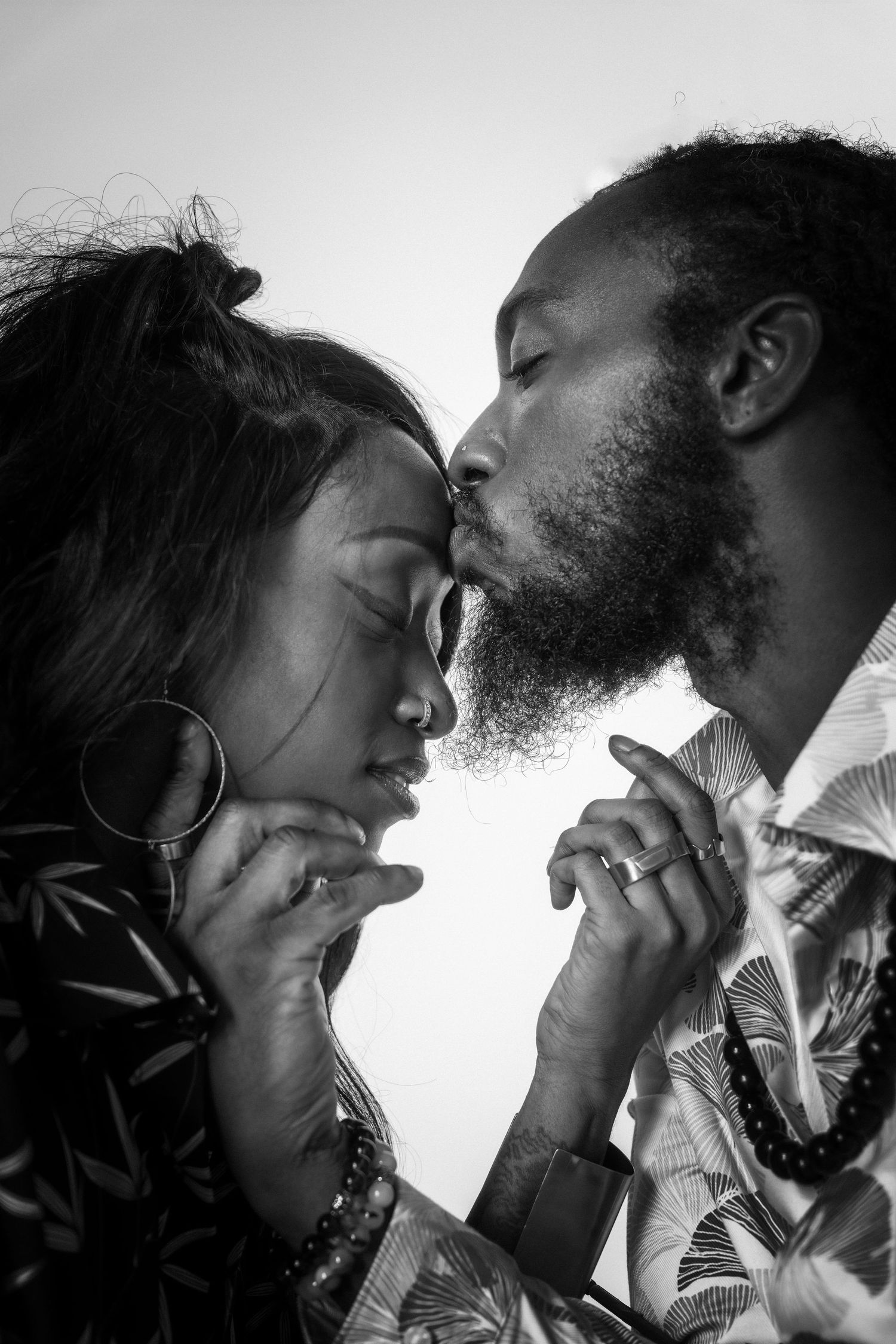
“Forever in Your Arms”
Trend-based content tends to burn fast and fade quickly, leaving little behind once the next new thing appears. In contrast, authentic work doesn’t gain as much attention immediately, but has staying power because it speaks to human experience instead of algorithmic cycles. Many photography YouTube channels reflect this difference. Jason Vong, for example, focuses heavily on gear, modern photography tropes, and the newest releases, which drives quick bursts of attention but does not always build lasting depth. In contrast, The Photographic Eye approaches photography through the lens of creativity, history, and personal growth, offering viewers insights that will remain relevant even after the latest camera loses its traction. Then there is another favorite of mine, Simon d'Entremont, who goes over tips, tricks, and education in photography and the journey. This comparison highlights how substance and originality can create stronger, more lasting connections than content based purely on trends.
Trends can serve as tools, but legacy comes from building something bigger than a feed.
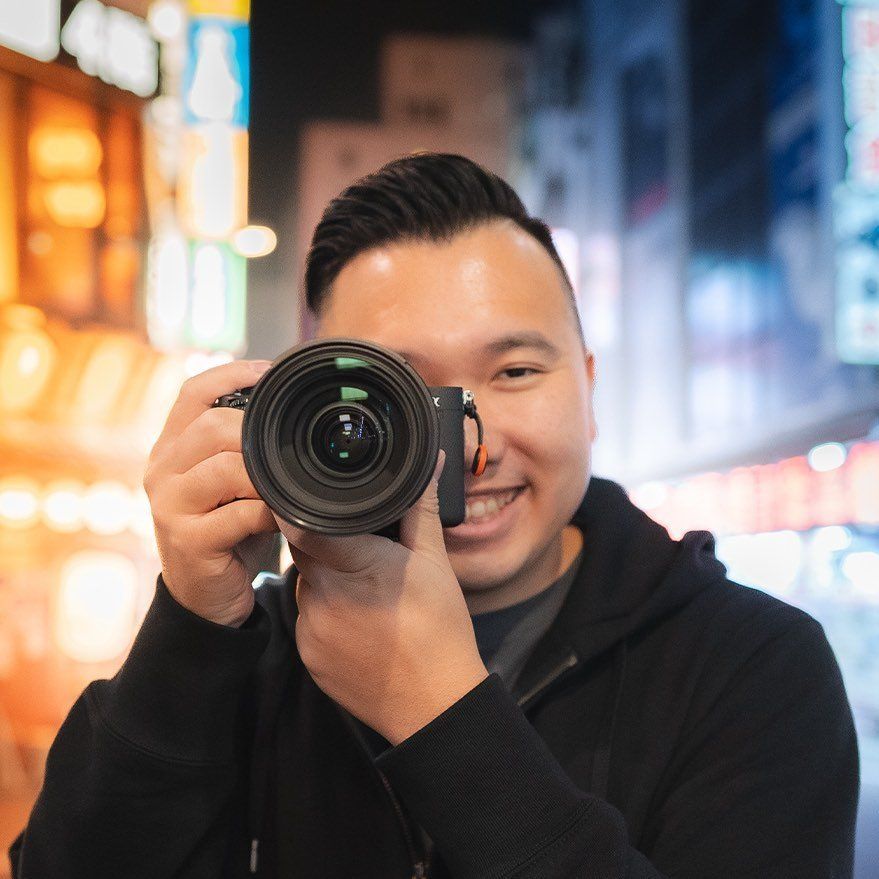
Click to see channel
Jason Vong
Possibly the most entertaining Photography Channel on YouTube. Possibly.

Click to see channel
The Photographic Eye
Hi, I'm Alex!
After more than thirty years as a professional photographer, I created The Photographic Eye, an online community for photographers who want more than tutorials, gear talk, or anonymous likes.
This is a dedicated space for people who see photography as more than just taking pictures—it’s a passion, a creative outlet, and a lifelong journey. It’s for photographers who want thoughtful feedback, meaningful connections, and the chance to grow creatively alongside like-minded individuals. If you’ve ever felt isolated in your craft, uninspired by superficial platforms, or unsure how to improve, this community was built for you.
In The Photographic Eye, you’ll find a welcoming group of photographers ready to inspire, challenge, and support you as you develop your creative vision. Ready to join us? Learn more at https://www.skool.com/thephotographiceye.
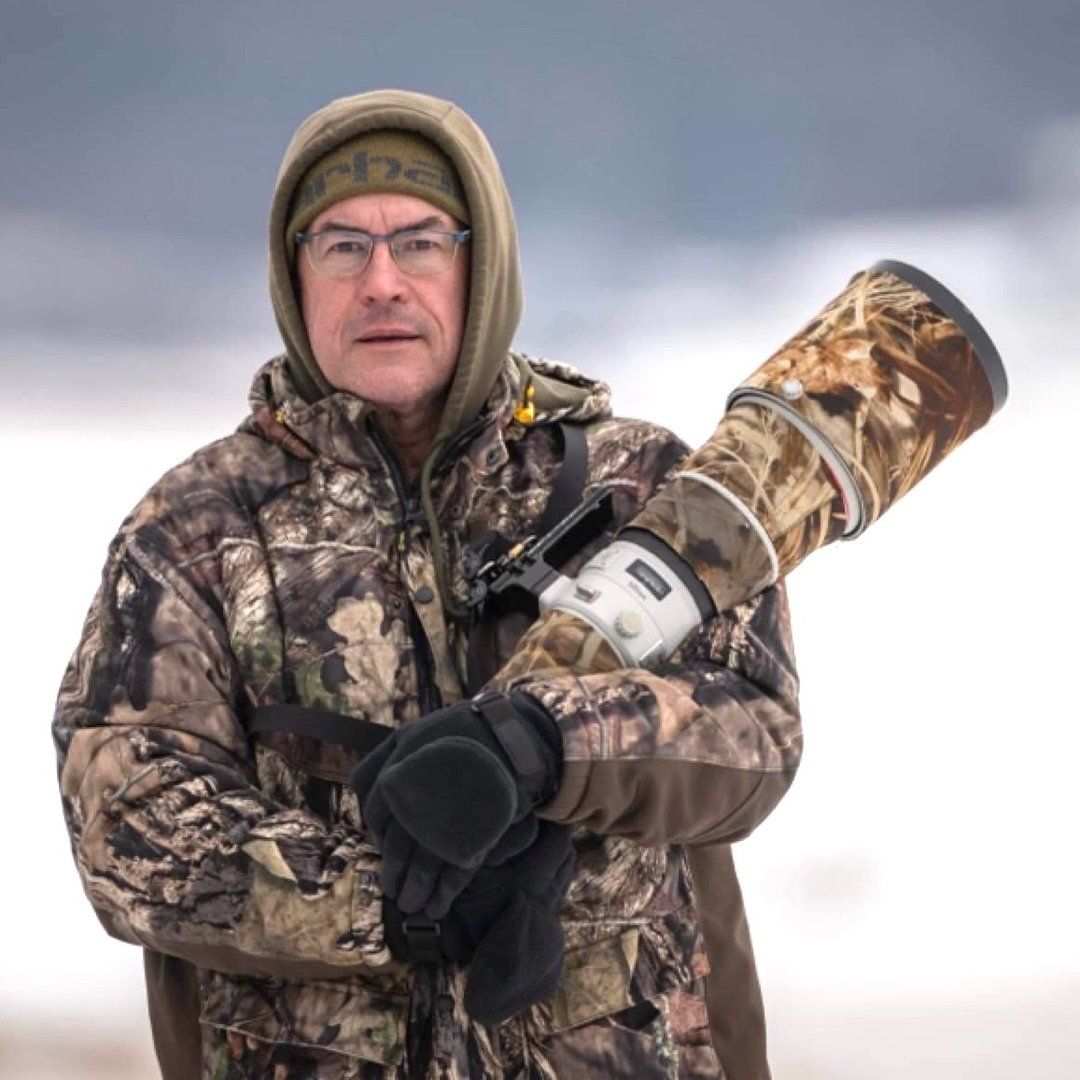
Click to see channel
Simon d'Entremont
My name is Simon d'Entremont and I'm a Canon Ambassador as well as a Kase Filters Ambassador, and a nature and wildlife photographer living in Nova Scotia, Canada. I’m a photographer first, YouTuber second, and my mission is to lift the knowledge, skills, and spirits of the people around me so they can be at their best, whatever they want that to be. My favorite saying is « I know you can do it! ». And btw, ISO 12,800 is fine…
Part 7: Healthy Engagement With Trends
That doesn’t mean trends should be ignored. The key is knowing how to use them without losing yourself.
Trends do have their uses when we approach them with awareness. They can boost visibility, push content into new circles, and provide opportunities for your work to reach audiences who might otherwise never find it. Ignoring them may mean missing out on growth that could help your creative career. In my own case, I saw this firsthand with views from Instagram advertisements tied to trending sounds and formats. For example, a good friend of mine, Joel (@jeyescol323 on Instagram) recently let me know that he has gained a noticeable spike in exposure with his views, showing the reach that comes with attaching your work to what is already in motion. In his case, it’s the collaborations with other photographers. These boosts are real, but as Srijan Kumar and others explain in their study of online communities, the visibility gained from trends rarely lasts, which means creators should treat them as short-term sparks rather than long-term fire[9]. The temporary nature of trend-based boosts makes it especially important to understand how Social media sites like Instagram track and record your views in five tiers:
Last 90 Days
Previous Month
Last 30 days
Last 14 days
Last 7 days
The tier system shows how Social media sites like Instagram decides whether to push your content and for how long. Certain songs and sounds, such as the Jet2Holiday audio mentioned in an earlier part, are given special treatment by this system. What matters most is remembering that visibility is only valuable if it translates into a genuine connection with your audience. Otherwise, the numbers will plateau and gradually disappear once the cycle ends.
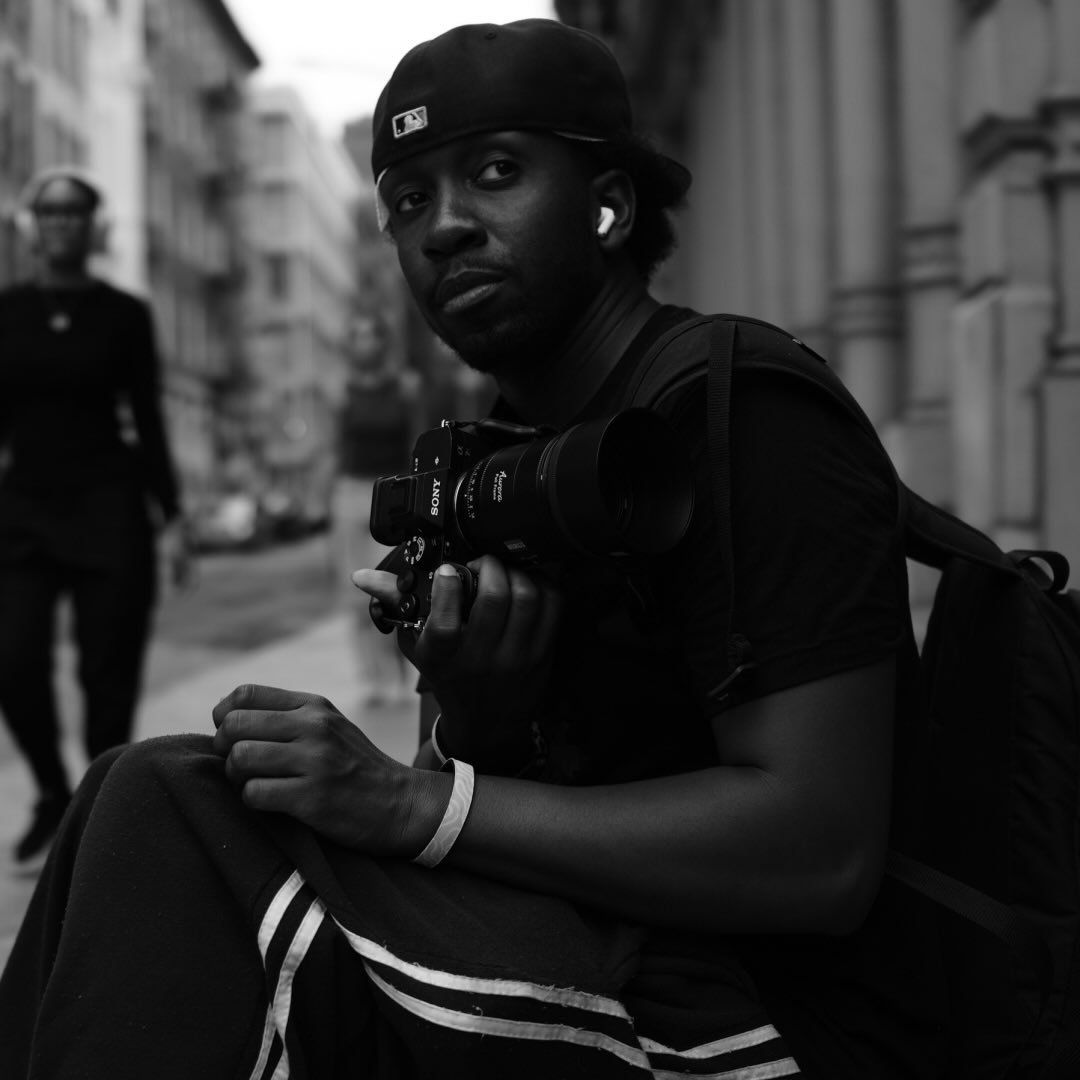
Joel (@jeyescol323 on Instagram) [Link]
The key is to view trends as tools rather than anchors. A tool is something you pick up when it serves your vision and then set aside when it no longer fits. Too often, photographers let trends become the identity of their work, until their feed looks more like a reflection of algorithms and advertisements than of themselves. Creators can avoid this trap when they incorporate trends selectively and deliberately. For instance, you can use a trending sound, edit style, or pose idea to bring viewers in, but then layer in your own storytelling so that the final product is more than just a copy. This approach should ensure that your portfolio reflects your voice rather than the temporary wave you rode. I realized this when I looked back at older posts and saw how little those trend-based pieces meant to me compared to the ones where I had stayed true to my own style. This experience reminded me that it is easy to confuse a tool for a definition, and I often removed those posts because they no longer represented my voice.
When you choose to use a trend, the goal should not be to copy it exactly, but to make it yours. A trend can provide the starting point, but it should be your voice that shapes how it looks and feels in the end. That might mean applying your editing style to a popular format, choosing poses that align with how you usually shoot, or adding a context that reflects your storytelling. This way, the trend works as a doorway rather than a mold. When people can recognize authenticity in something familiar, they are often able to form deeper connections. For me, storytelling is everything. So, I will take an image and either come up with something that relates to life or will use a quote I found in a book. I match the image to hashtags and a song that create a feeling for the viewer, and this process reminds me that I can reshape a trend to reflect my own identity rather than let it erase what makes me unique. By taking control in this way, I turn the trend into a tool that serves my creativity instead of a force that dictates it. It is less about rejecting trends and more about bending them to serve your style. For some, it shows how they create reels or manage their content through consistent choices, and when they approach trends this way, they use them as opportunities to reach a wider audience while still protecting what makes their work unique. Creators who transform or combine trends instead of copying them directly often find a balance that fosters growth while protecting their originality (Flath et al.)[10].
That legacy is only possible when you return to your own voice and protect the reasons you started creating in the first place.
Part 8: Building a Legacy, Not a Feed
Trends may help in the short term, but legacy comes from building something bigger than a feed.
Social media thrives on quick, fleeting updates, but true growth as a photographer often comes from projects that take time. Long-term projects let ideas develop, evolve, and gain depth, while audiences often forget single posts within days. A series, a book, or an album can showcase the progression of your voice in a way that scattered posts cannot. When you commit to building something larger, you give yourself room to experiment and refine instead of rushing to meet an algorithm’s demand. I experienced this shift when I started my own website and now when I have found a certain catharsis in writing these blogs. I saw how much more fulfilling it was to create something lasting rather than chasing quick clicks. Quite a few remember when I used to post every day at exactly 5 AM in the mornings. With the ever-shifting algorithms that instagram is always having, my priorities shifted from making sure I prepare the post the night before and post it as soon as my alarm went off, to creating more and in other areas other than just Instagram.
Thinking of it in a social aspect, Metrics such as likes, comments, and shares can be tempting, but they should not be the measure of your worth as a shooter. A portfolio can tell a story that numbers never can. It is consistency, intention, and a clear thread of identity across your body of work. When people look back at your photography years from now, they will not ask how many likes a particular image had. They will notice whether your work carries a recognizable voice and whether it shows growth over time. Thinking in terms of portfolios allows you to focus on impact rather than impressions. In the same way that authors often write under pen names to set up a creative identity separate from their personal lives, I chose to work under the name Lyons Pride. It gives my photography a distinct presence that people can connect with, while also creating a boundary between my personal world and my creative one. This identity functions much as a portfolio brand as well as my business, helping others recognize my work as a part of a larger vision rather than just individual posts.
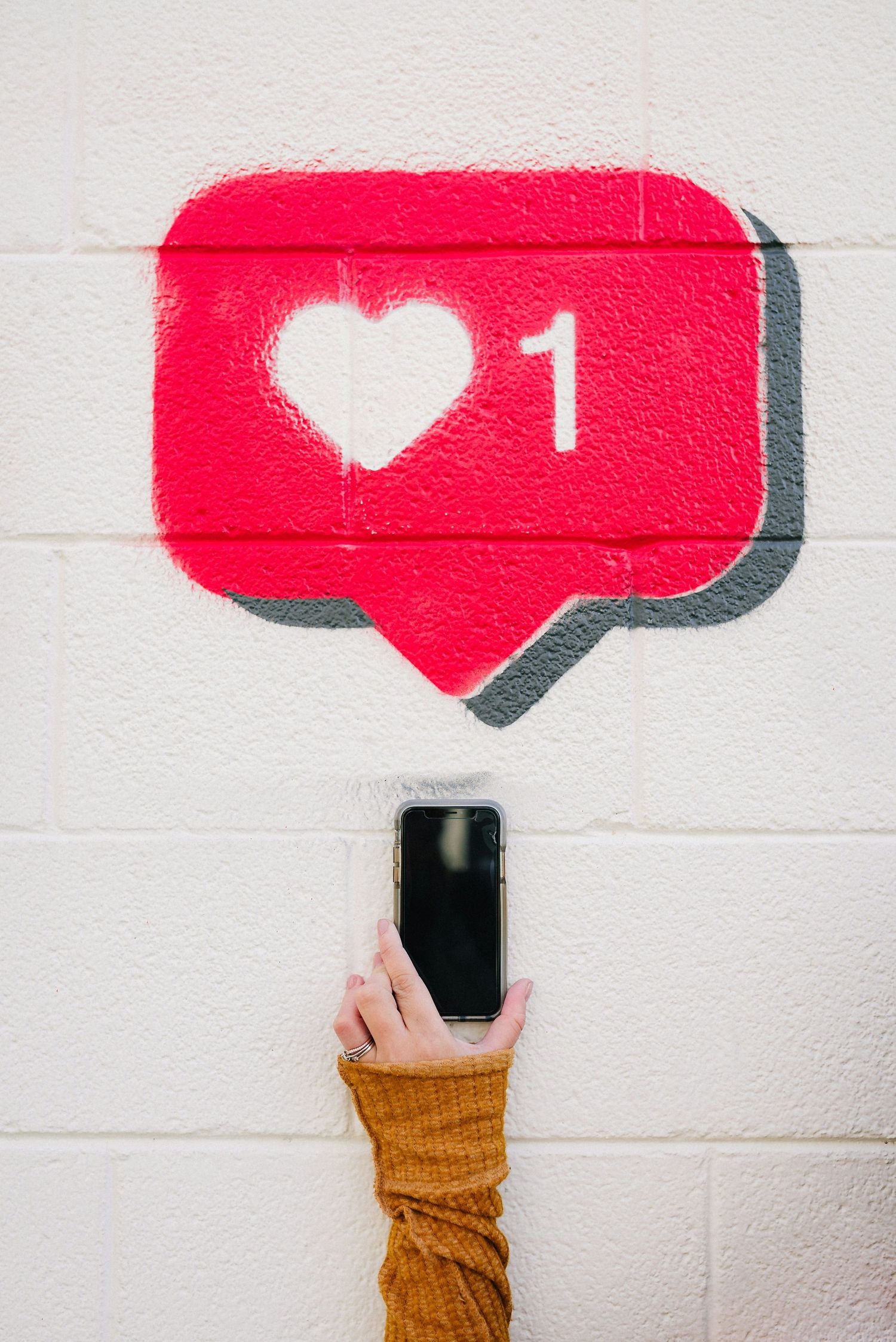
Photo by Karsten Winegeart on Unsplash
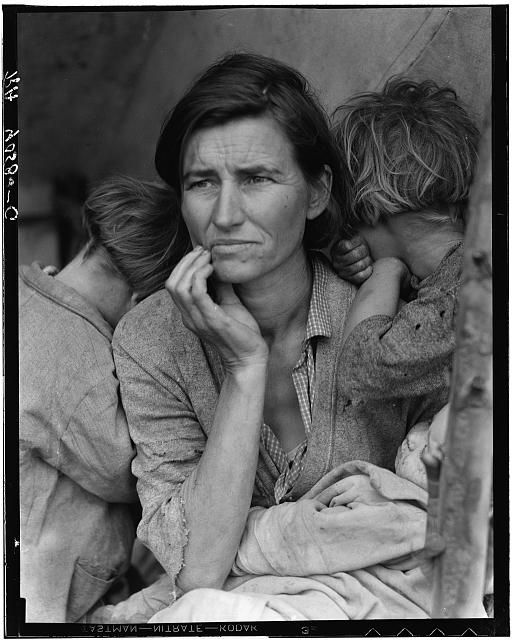
Photo Credit to Library of Congress Prints and Photographs Division Washington, D.C. 20540
Meaningful work resonates with people long after they first see it. When art reflects stories or emotions, it becomes more than just another image, it becomes part of how people remember something. Dorothea Lange’s Migrant Mother, taken in 1936, continues to move audiences today because it conveys deep human struggle and empathy (Library of Congress)[11]. That kind of work shows that legacy arises from connections, not popularity. The current political challenges reminded me of this, and the fact that people still remember this piece of work in 2025 shows that lasting impact comes from substance rather than algorithmic applause.
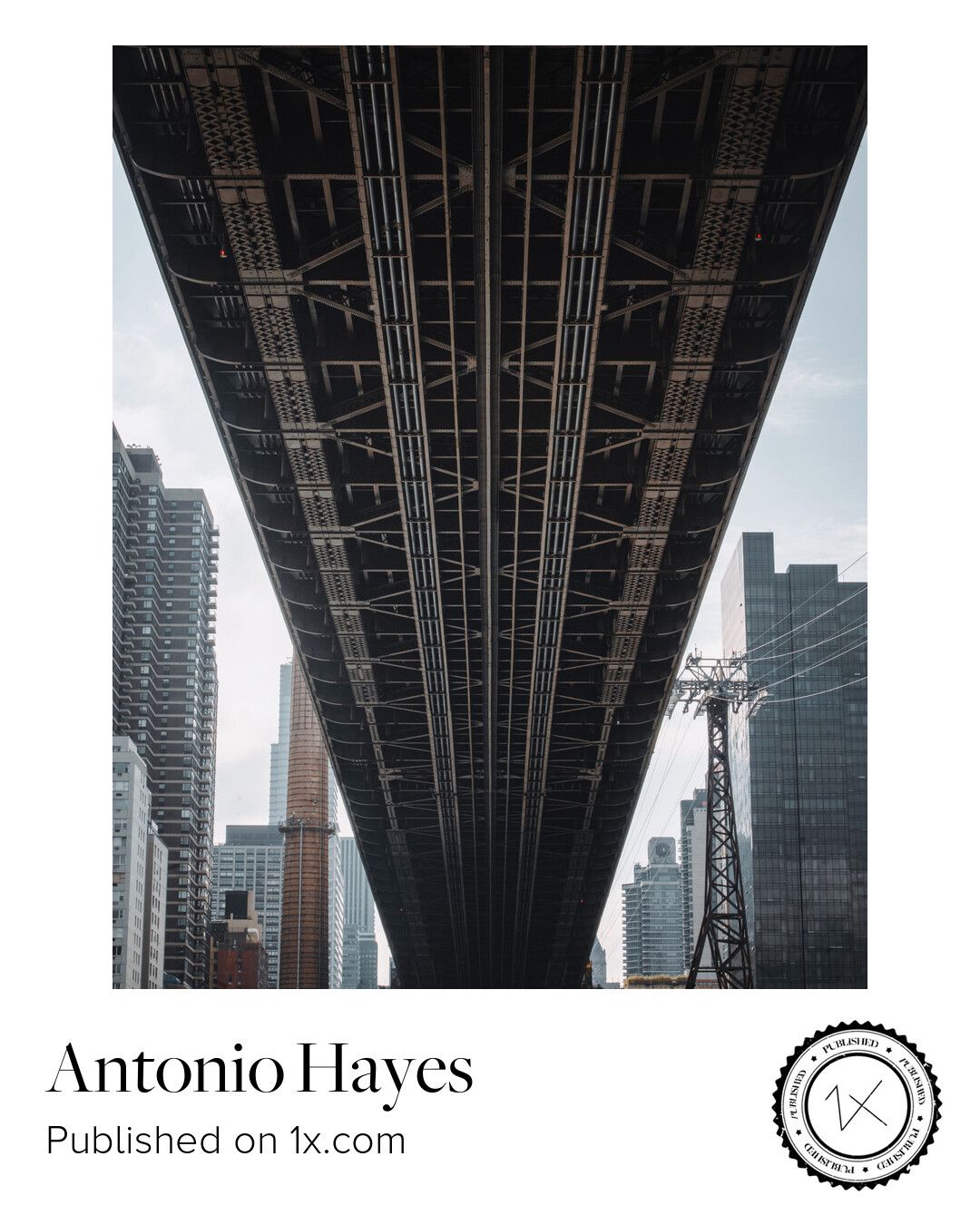
Published on 1x
I will admit that trends burn bright, but they burn quickly. Memorable content that carries substances has the power to endure because it resonates beyond the context of the moment. Creators who focus on creating work with depth and authenticity often find that their images continue to inspire years later. Here’s a shot from 2023 that I took that still has people asking about it. This will never compare to the previous piece of work mentioned, but hearing about it from others does help to build my confidence as a Photographer.
Trends still have a place in creative work. However, memorable work always holds more value than a post that matters for only a week before the feed buries it under new content. The choice is clear: build with intention so that what you create will outlast the shifting cycles of social media.
Conclusion: Finding Your Voice Again
Legacy is built on work that carries meaning, but the ability to create that kind of work depends on rediscovering and protecting your own voice.
Finding your voice again often requires slowing down and creating space for honest self-reflection. Instead of chasing what everyone else is doing, ask yourself why you began creating, in my case, photographing in the first place. Was it curiosity, storytelling, or a way to hold onto important moments? Reexamining these motivations can help cut through the noise of algorithms and trends. As we all know though (and the main reason why I changed my name on Instagram from motivation1nfocus to discipline1nfocus), Motivation is periodical, so you also have the discipline to do so when you can’t find the motivation to do so. One practical step is to review your own past work and pay attention to which images felt the most meaningful to create, not which ones received the most likes. Another step is to journal alongside your photography and write down the emotions and intentions you feel while shooting, so you tie your creative choices to self-awareness instead of outside approval. Taking short breaks from social media can also provide clarity, allowing you to reconnect with your craft in its purest form. No longer posting every day has helped me in this aspect. These practices help shift the focus back onto expression and purpose instead of fleeting recognition.
Rediscovering your voice also means placing value in yourself, not in numbers or validation from others. The strongest work often comes from a place of confidence in who you are and what you want to share. To build this mindset, you must remind yourself that your worth as a photographer comes from the substance of your art, and the stories it carries, not from engagement metrics. Supporters who stay with you long-term do so because they connect with your vision, not because you perfectly followed a trend. To cultivate this confidence, set personal goals that measure growth in skill, depth, and storytelling rather than in likes or followers. Celebrate small milestones that reflect authenticity, such as completing a project that feels personal or experimenting with a technique that excites you. Each step reaffirms that your creativity is most powerful when it is true from your perspective. In the end, finding your voice again is about trusting that the value you bring lies in who you are, not in how well you imitate what is popular. In the end, from this perspective, photography, or creating in general is not about chasing trends but about creating work that carries meaning, reflects your voice, and builds something that will last. Thank you for taking the time to read this blog, and I can’t wait to write the next one.
Antonio Hayes
lyons pride
Reminder Disclaimer
As you reach the end of this blog, please remember that everything written here was shared with respect and in good faith. The points I’ve raised are based on my own experiences and observations within the photography community, but they also apply to creatives of all kinds.
Nothing here should be taken as a personal attack, a set of rules, or an absolute truth. These reflections are intended to encourage self-awareness, spark thought, and support long-term creative health. If a section challenged you, I encourage treating that discomfort as a chance for self-reflection rather than offense.
You are free to take what resonates and leave what does not. Diverse perspectives only strengthen our community, and I welcome disagreement as part of that process. I am not responsible for how my words are interpreted outside of their intended context, which is to encourage growth and conversation.
And as a reminder, the slideshow images included here do not contain any of my work, and I do not claim them as my own.
Citations:
https://doi.org/10.1111/bjdp.12537
[3] Vogel, Erin A., Jason P. Rose, Lindsay R. Roberts, and Katheryn Eckles. “Social Comparison, Social Media, and Self-Esteem.” Psychology of Popular Media Culture, vol. 3, no. 4, 2014, pp. 206–222. ResearchGate, https://www.researchgate.net/publication/275507421_Social_comparison_social_media_and_self-esteem
[7] Üztemur, Serdar, Seçkin Polat, and İsmail İlhan. “Social Media Burnout and Social Anxiety as Antecedents of Discontinuous Use: A Stress–Strain–Outcome Framework.” Scientific Reports, vol. 15, 2025, https://www.nature.com/articles/s41598-025-04119-9
[10] Flath, Christoph M., Sascha Friesike, Marco Wirth, and Frédéric Thiesse. “Copy, Transform, Combine: Exploring the Remix as a Form of Innovation.” Journal of Information Technology, vol. 32, no. 4, 2017, pp. 306–325. ResearchGate, https://www.researchgate.net/publication/315843776_Copy_Transform_Combine_Exploring_the_Remix_as_a_Form_of_Innovation
[11] Lange, Dorothea. “Destitute Pea Pickers in California. Mother of Seven Children. Age Thirty-Two. Nipomo, California.” 1936. Library of Congress, Prints and Photographs Division, LC-DIG-fsa-8b29516, https://www.loc.gov/pictures/resource/fsa.8b29516/